Namibia Self-Drive Safaris
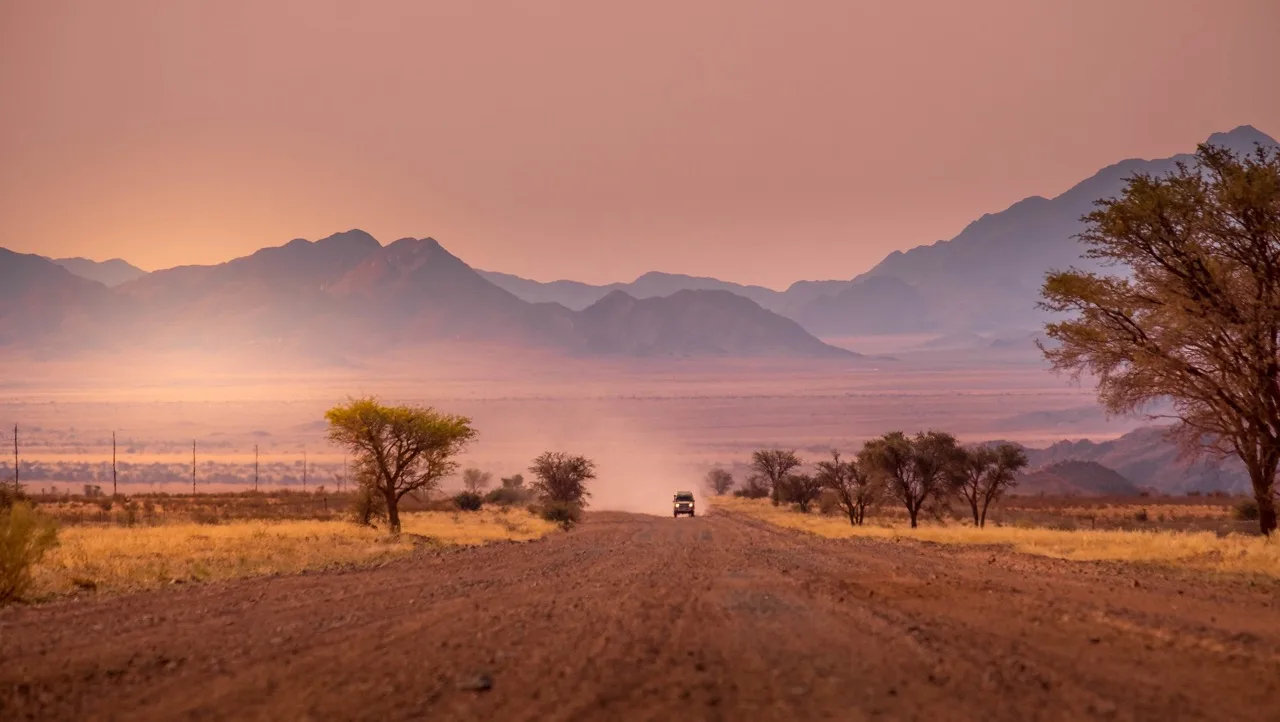
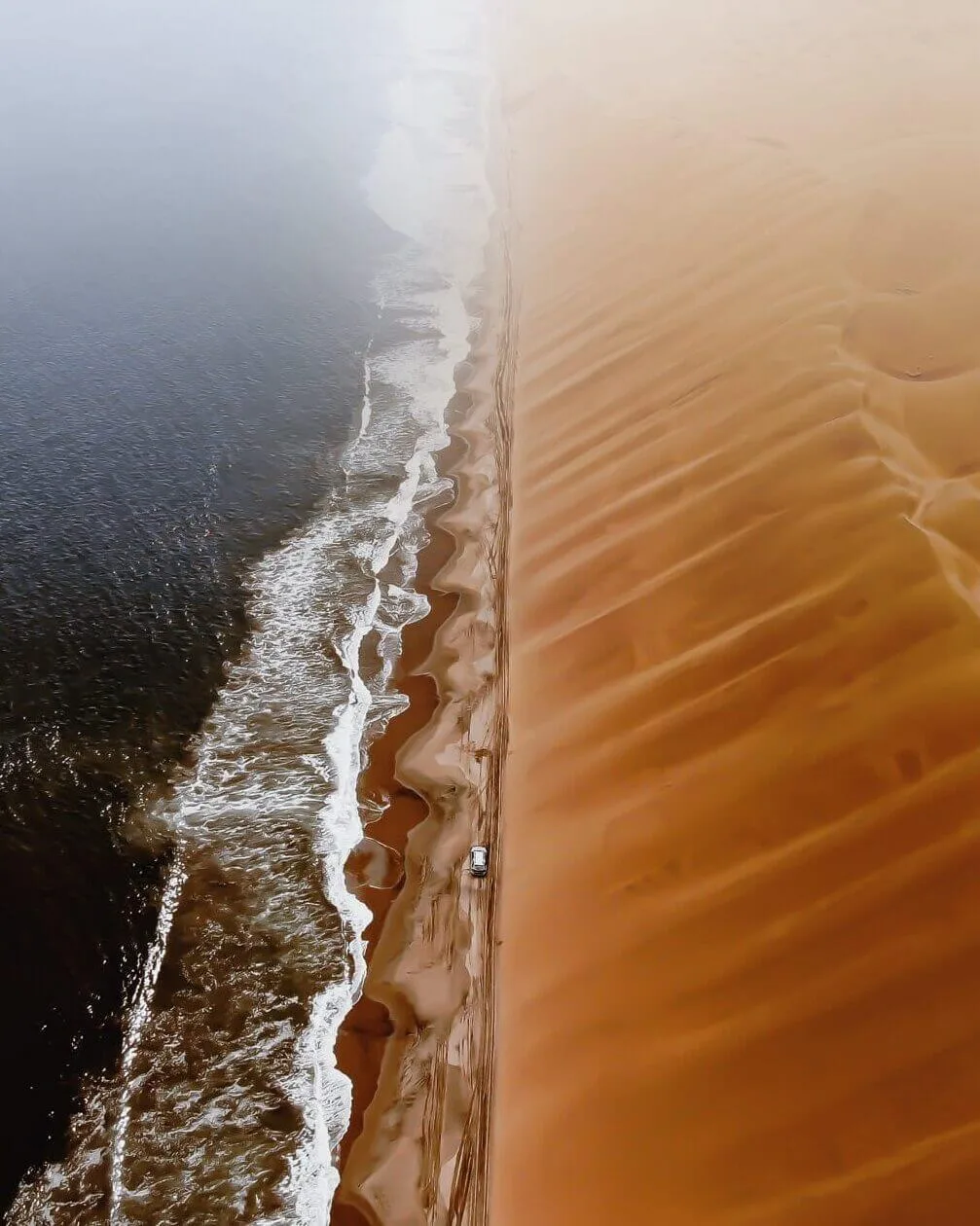
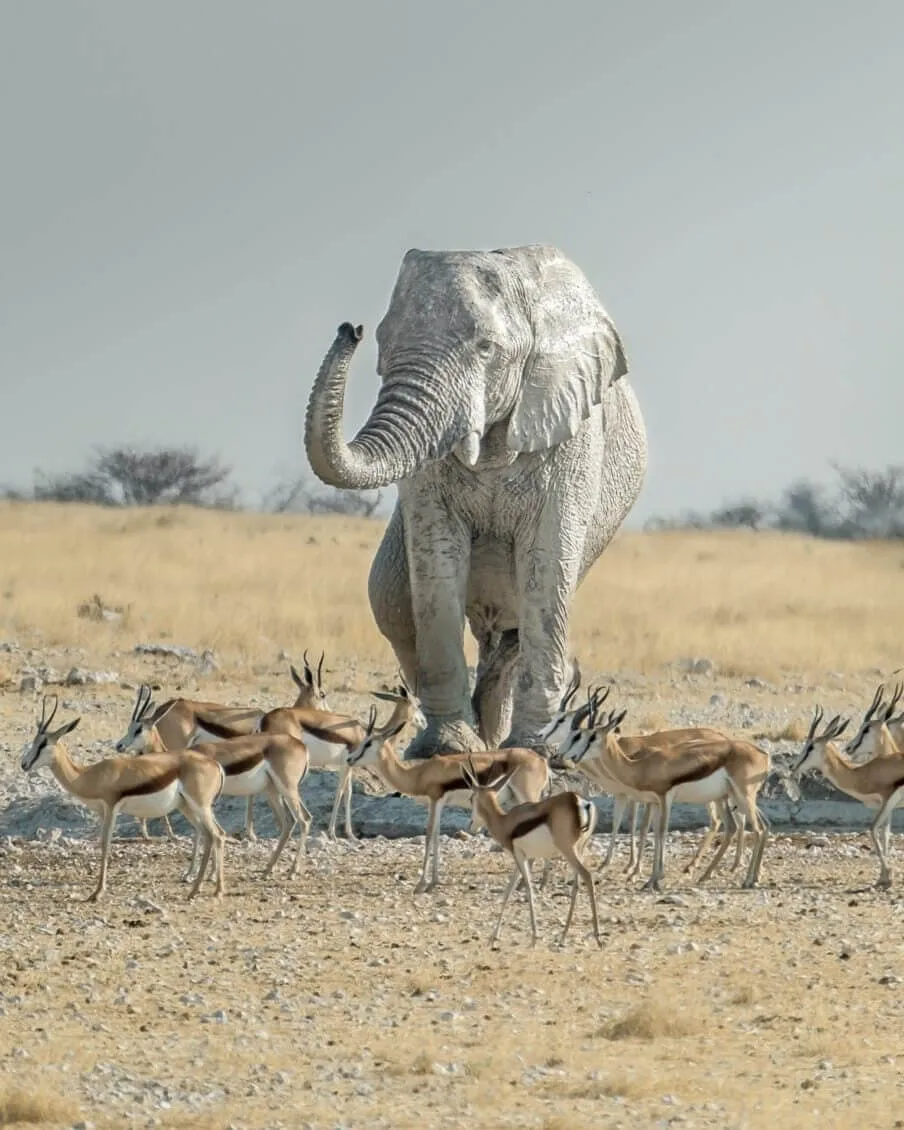
Enquire NowA self-drive safari in Namibia is one of the most rewarding and flexible ways to explore this vast and diverse country. With well-maintained roads, breathtaking landscapes, and excellent infrastructure, you can travel at your own pace — from the towering dunes of Sossusvlei to the wildlife-rich plains of Etosha National Park.
It offers a perfect balance of independence and comfort, with carefully selected lodges, clear routes, and full support throughout your journey — ideal for travellers seeking adventure without compromising on quality.
Explore Our top-selling Self-Drive Itineraries
Handcrafted self-drive safaris across Namibia’s most iconic landscapes
Namibia Self-Drive Safaris
Travel at your own pace, while we take care of the details — creating a seamless, premium safari experience from start to finish.
Start Your JourneyWhen to Go
Namibia Self-Drive Safaris
Frequently Asked questions
Is Namibia safe for a self-drive safari?
Yes, Namibia is considered one of the safest countries in Africa for self-drive travel. The roads are generally well maintained, traffic is minimal, and locals are friendly and helpful. As with any trip, basic precautions are recommended. Our overview of self-driving in Namibia covers what the experience is actually like day to day, and our staying healthy on safari guide covers the practical side.
Do I need a 4x4 vehicle in Namibia?
A 4x4 is highly recommended, especially if you are visiting areas like Sossusvlei, Damaraland, or more remote regions. It provides better comfort, safety, and flexibility on gravel roads. We go into the detail — which routes genuinely require one and which do not — in do I need a 4x4 in Namibia?
Are the roads difficult to drive?
Most routes are on well-graded gravel roads and are easy to navigate. However, distances are long, and driving speeds should be adjusted accordingly. Careful driving is essential, especially on gravel. Our guide to Namibian roads — gravel, speed and safety sets out the surfaces you will meet and the speeds to hold on each.
How far in advance should I book?
For travel between July and December (peak season), it is best to book 6–12 months in advance, particularly for popular areas like Etosha National Park and Swakopmund. If your dates are flexible, our best time to visit Namibia guide sets out the trade-offs month by month, and the When to Go panel further up this page gives temperatures and rainfall.
Can I navigate easily without a guide?
Yes, self-drive in Namibia is very straightforward. With GPS, offline maps, and a detailed itinerary, navigation is simple. You will also receive full route guidance and 24/7 support. Inside the parks it is the same story — see can you self-drive in Etosha? for how the gates, speed limits and waterhole circuits work.
What about fuel stations and supplies?
Fuel stations are available in all major towns, but distances between them can be long. It is always advisable to refuel regularly and carry water and snacks. Your route notes list the towns to stock up in, so you are never guessing how far the next pump is.
What wildlife can I expect to see?
Namibia offers incredible wildlife viewing, especially in Etosha National Park, where you can see elephants, lions, rhinos, giraffes, and large herds of plains game gathering around waterholes. Beyond Etosha, Damaraland holds desert-adapted elephant and rhino, and the Skeleton Coast holds seal colonies and brown hyena.
Which self-drive itineraries do you offer?
Six, from eleven days to eighteen:
- 11-Day Wildlife of Namibia — Etosha’s plains, desert landscapes and cultural encounters
- 11-Day South of Namibia — deserts, canyons, ghost towns and wide-open landscapes
- 14-Day Best of Namibia — the iconic highlights, deserts to Atlantic coastline
- 17-Day Namibia, Chobe & Vic Falls — one cross-border journey to the Falls
- 18-Day Hidden Treasures — rock art, remote canyons and untouched wilderness
- 18-Day Namibia, Delta, Chobe & Vic Falls — deserts through to the Okavango and the Falls
Prefer nights under canvas as well? See our lodge & camping self-drive safaris. If none is quite right, these are starting points rather than fixed packages — tell us your dates and we will shape one around them.
Every journey leaves a story behind.
Discover the raw, unfiltered voices of our guests as they share their Desert Tracks adventures across Namibia and Botswana. Their words capture the magic better than we ever could.
Highlights to Visit
Sossusvlei Dunes
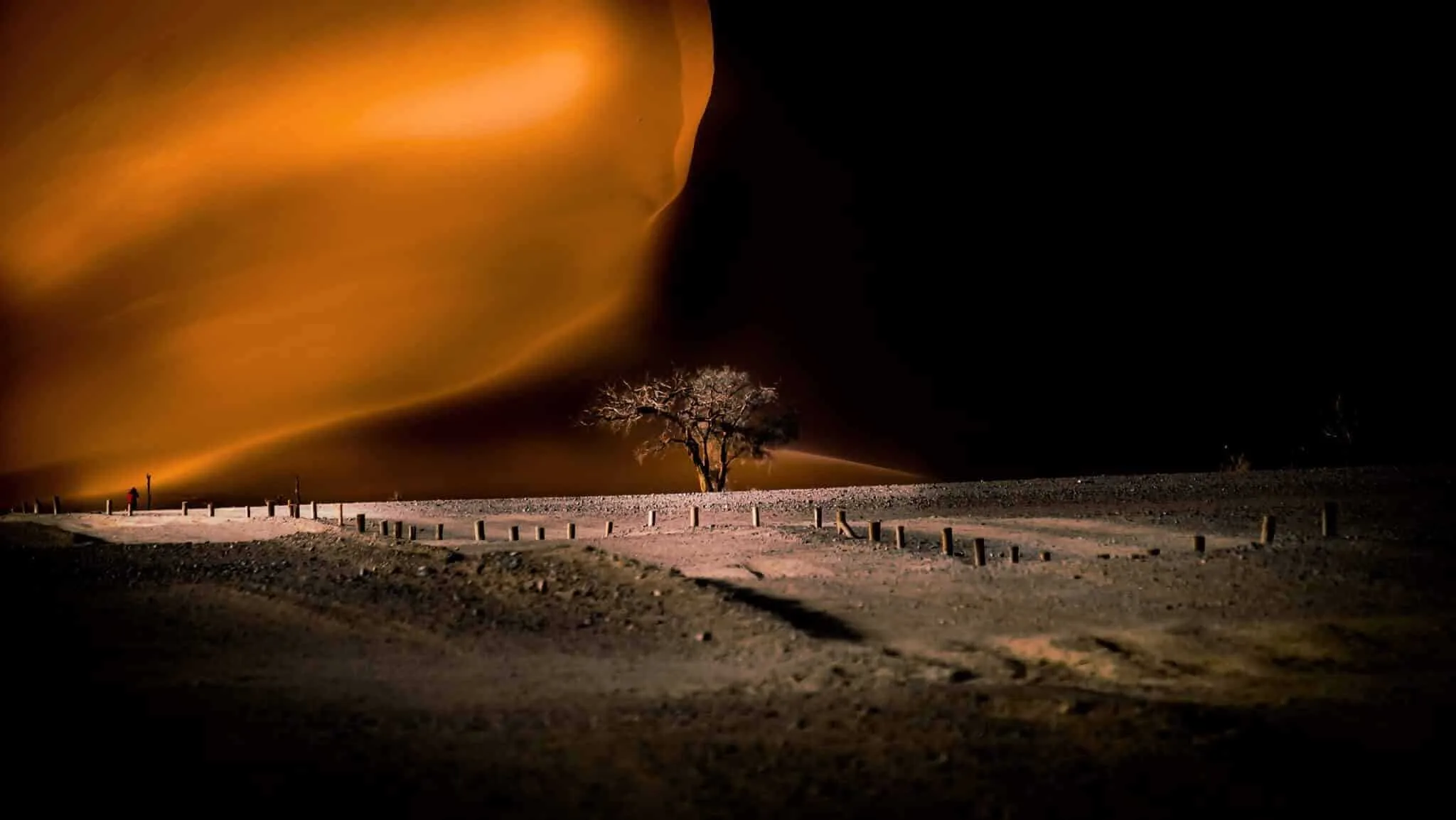
Imagine waking up to the serene silence of the Namib Desert, the world’s oldest living desert.
Explore Now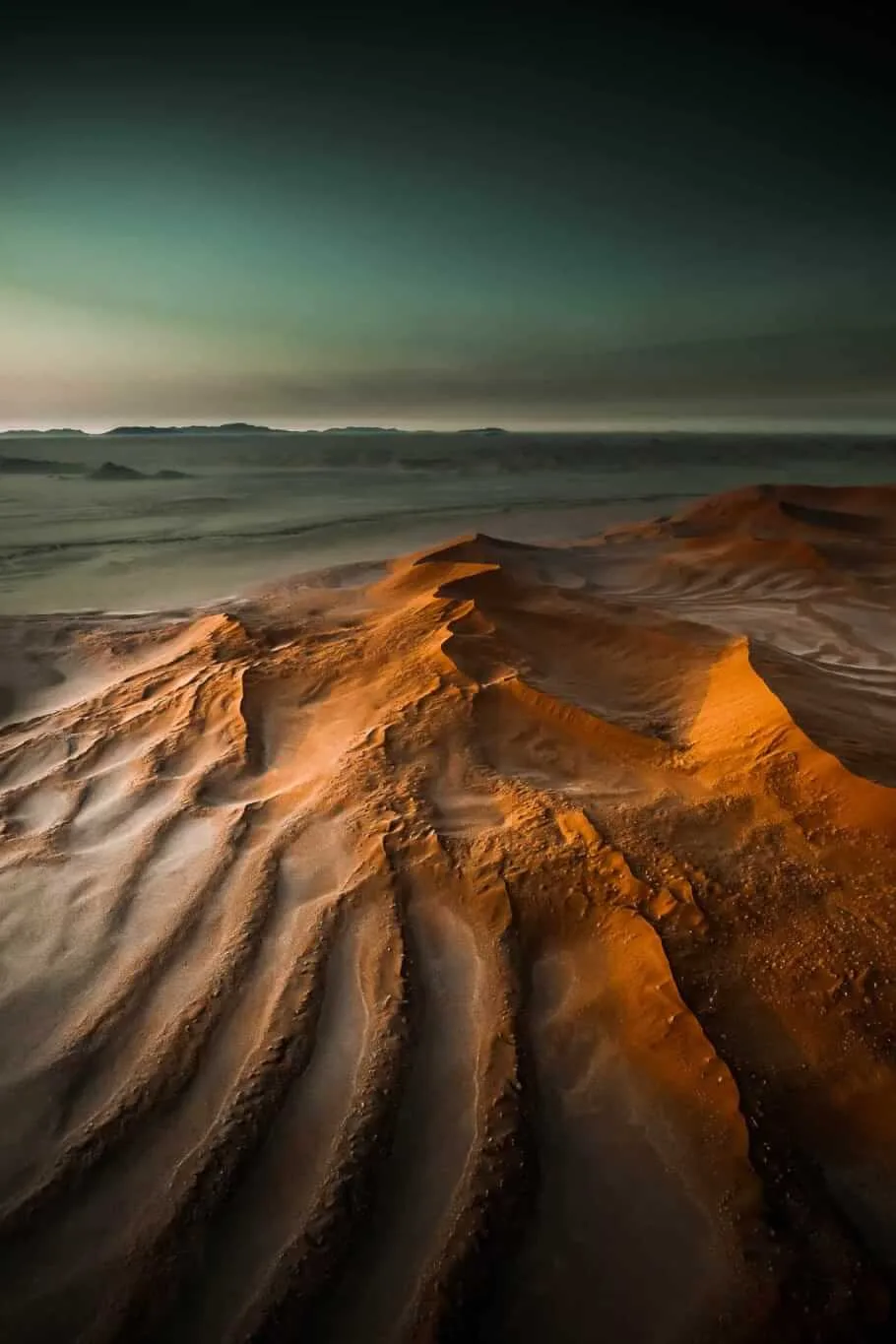
Etosha National Park
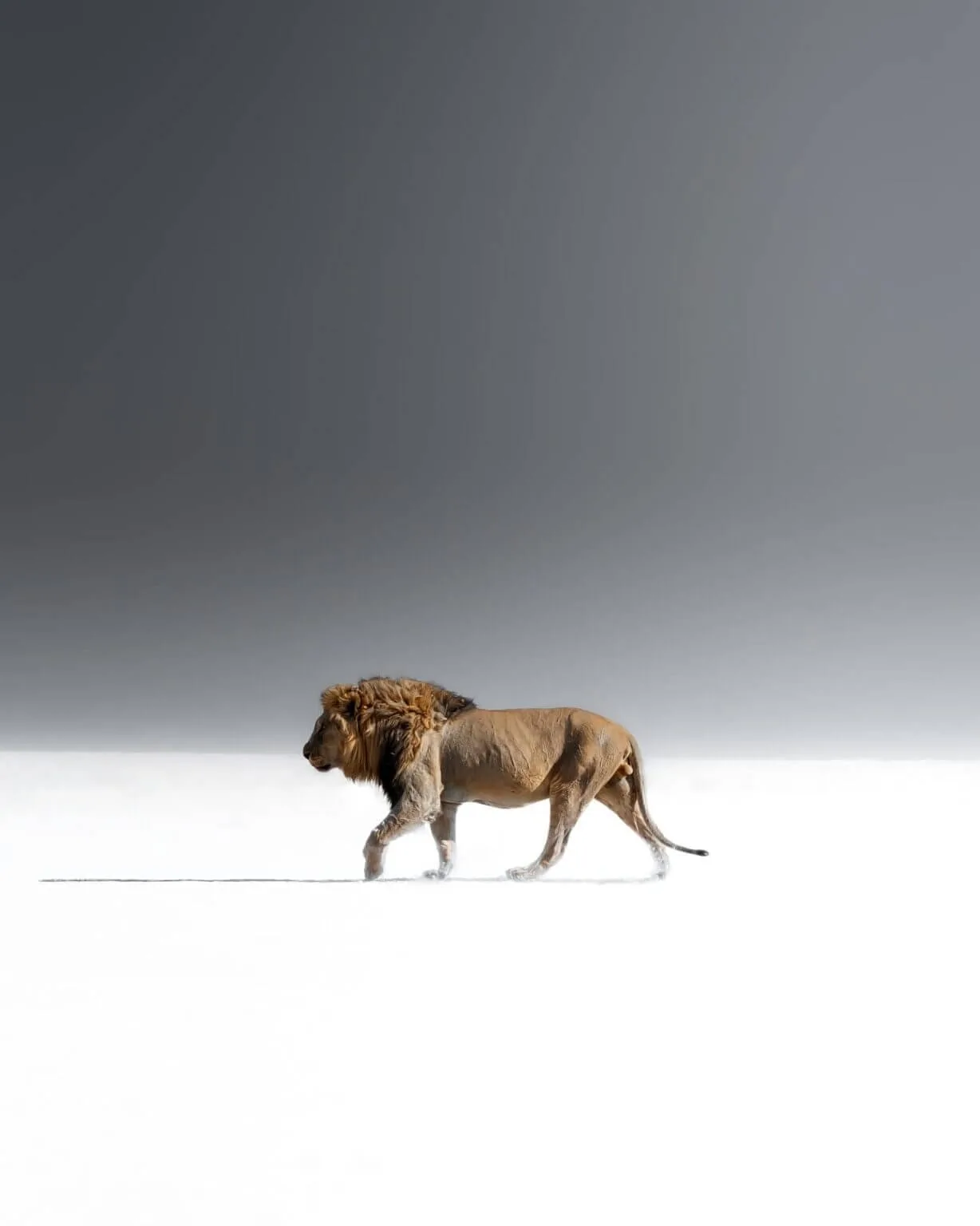
Thrilling game drives among elephants, lions, rhinos and giraffes, at Etosha’s great waterholes.
Explore Now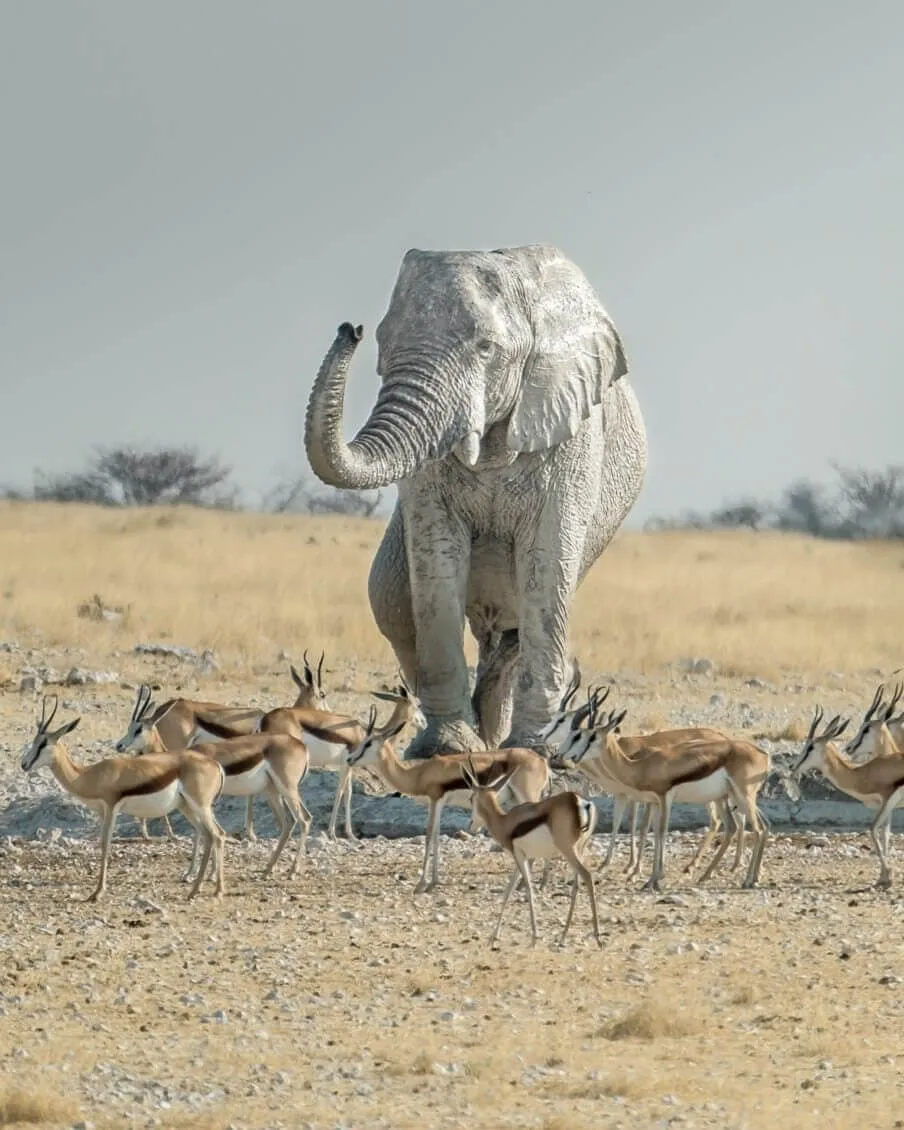
Fish River Canyon
Explore Now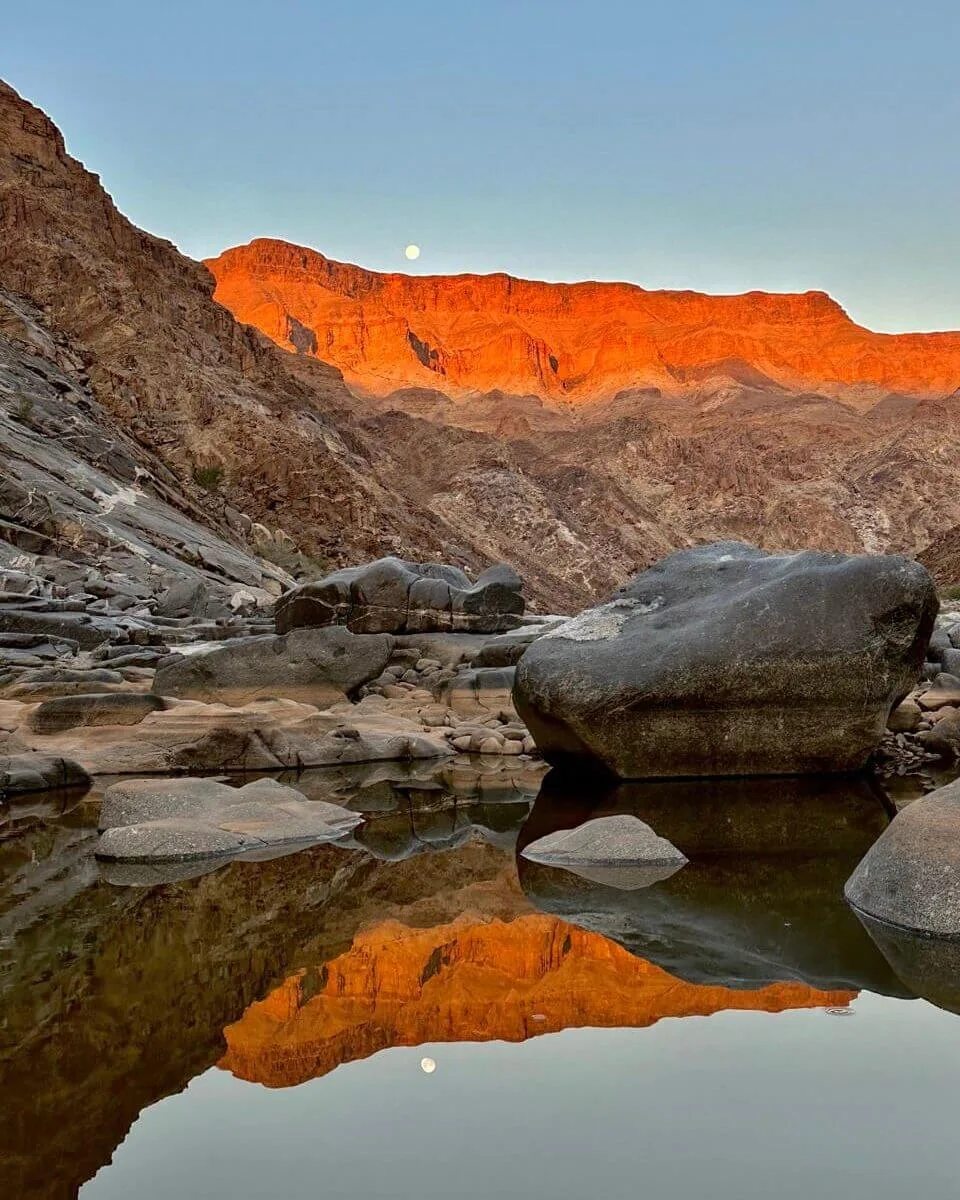
Coastal Swakopmund
Swakopmund sits where the Benguela current meets the Namib, which produces fog most mornings and a chill that catches people out badly.
Explore Now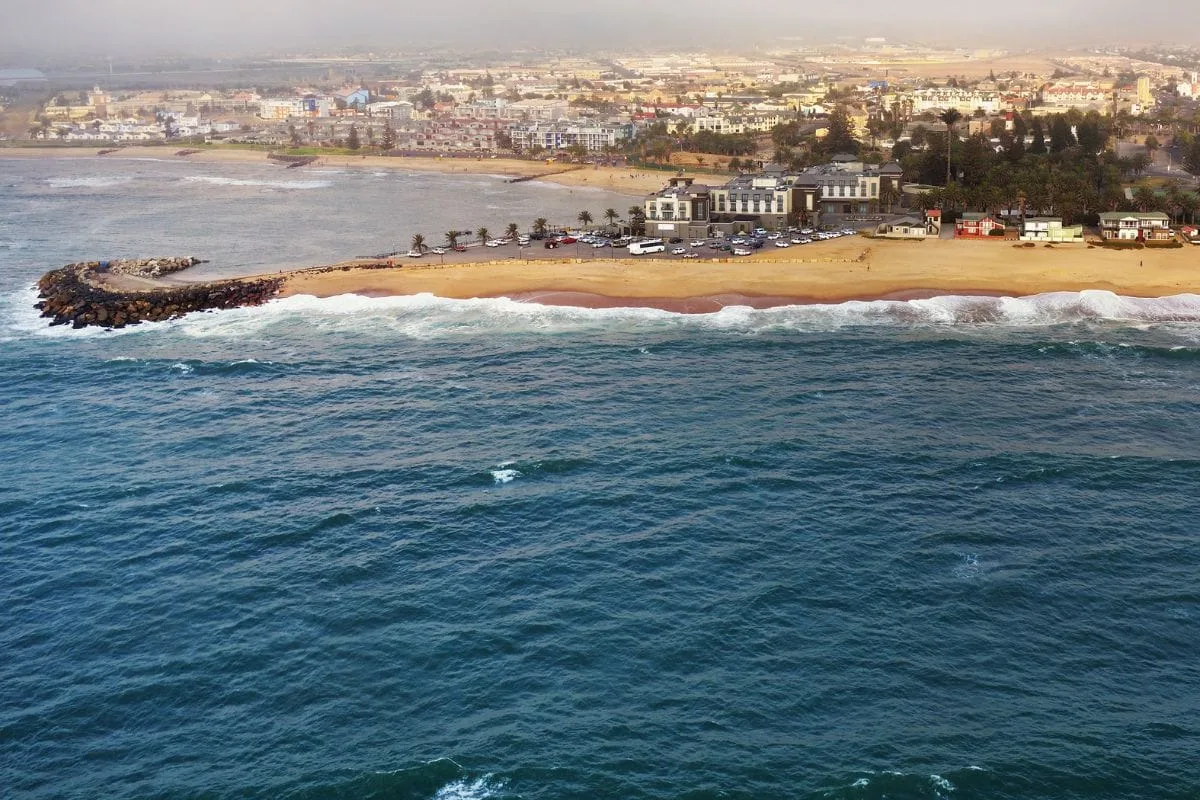
Skeleton Coast
The fog and shipwrecks of the Skeleton Coast, where the cold Atlantic meets the desert.
Explore Now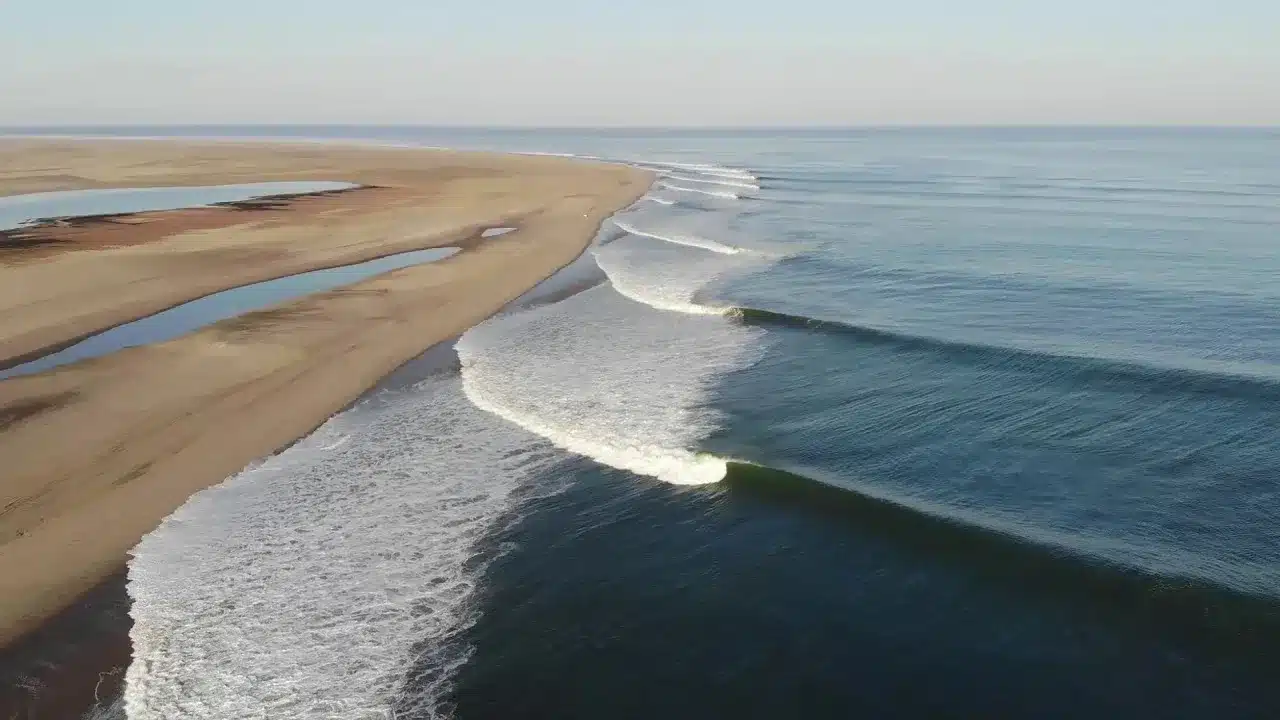
Rugged Damaraland
The prehistoric landscapes of Damaraland — granite-boulder country on the edge of the desert.
Explore Now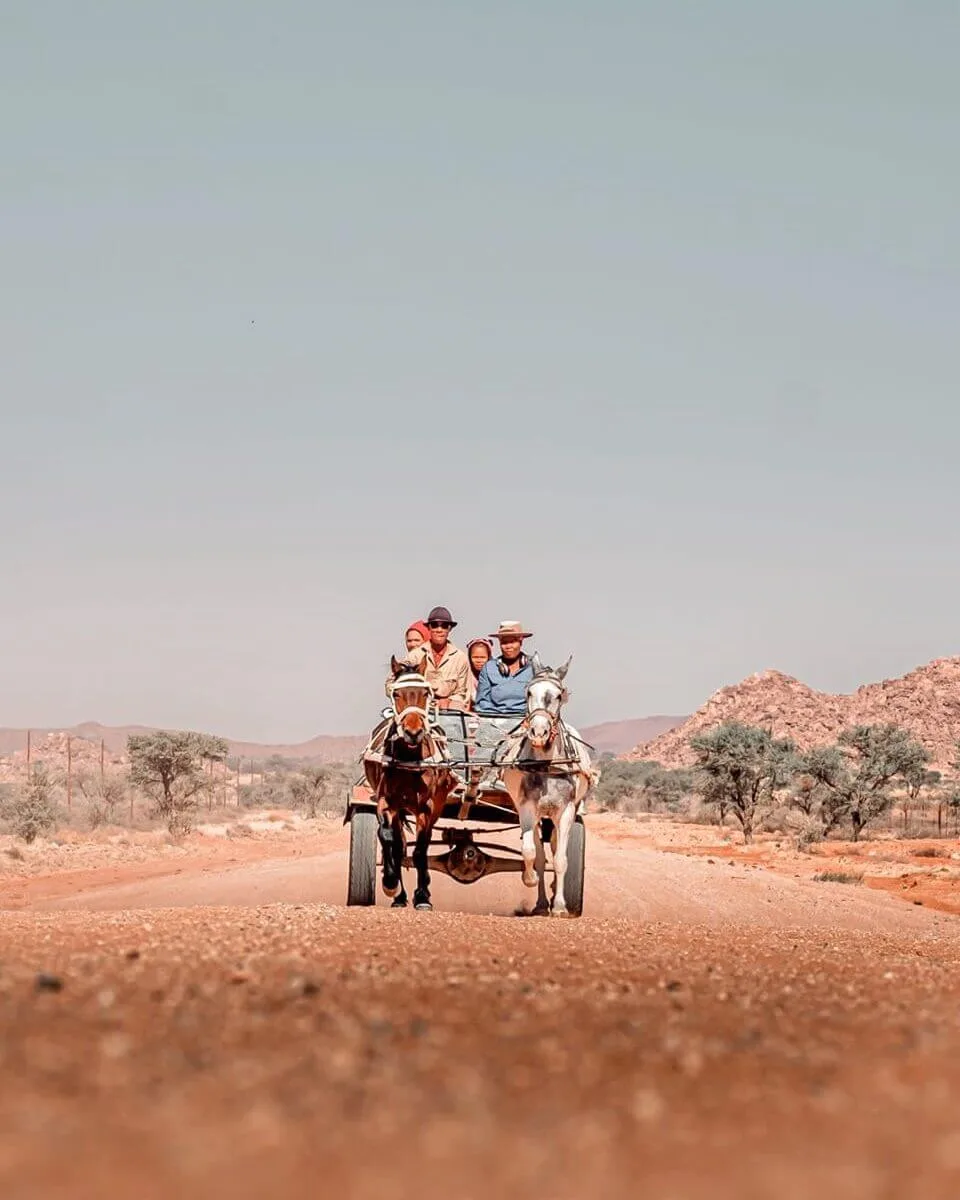
Kalahari Desert
Red dunes. Acacia trees. A place so open and unfiltered it feels like the world’s been put on mute.
Explore Now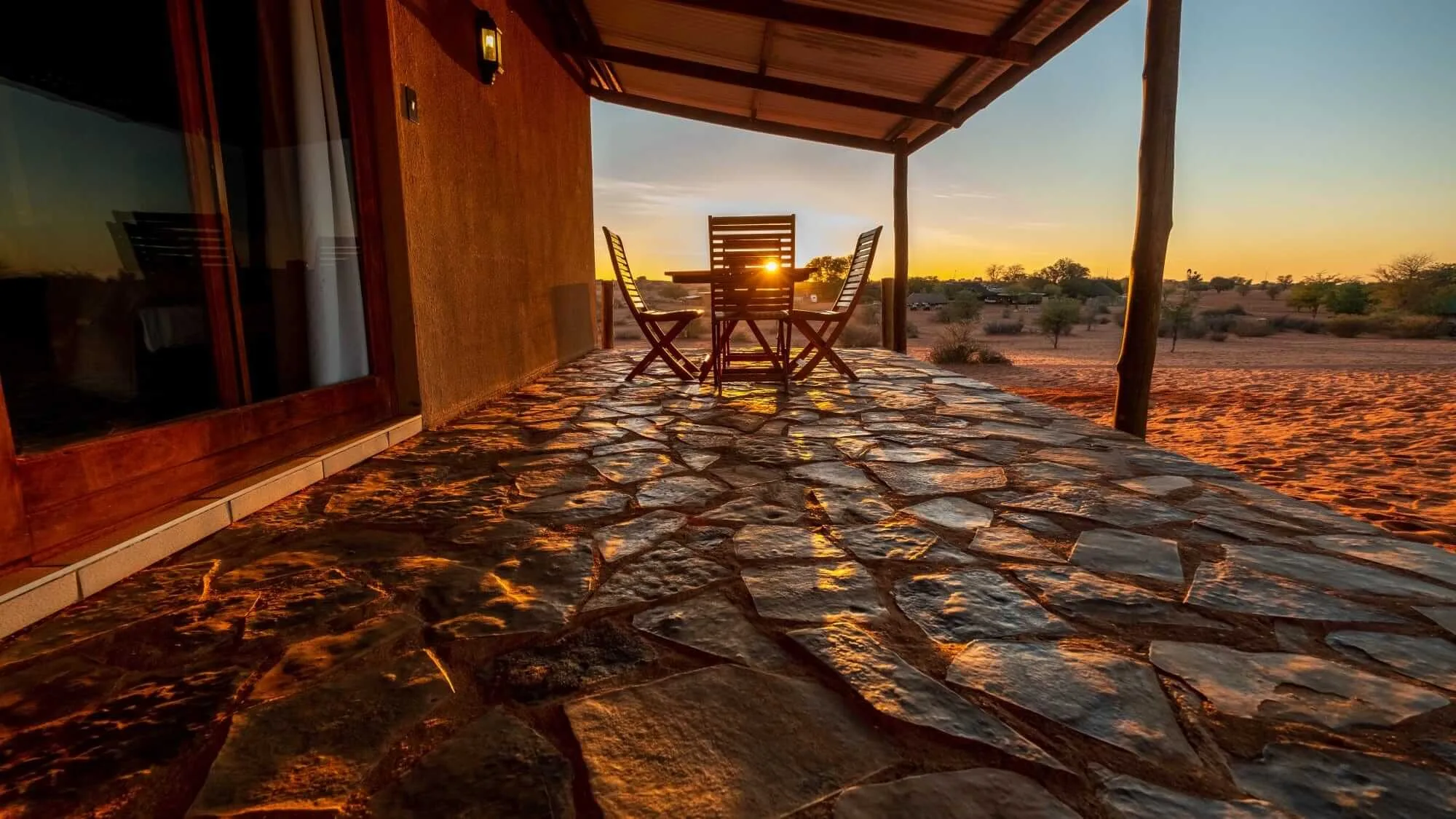
Lush Caprivi
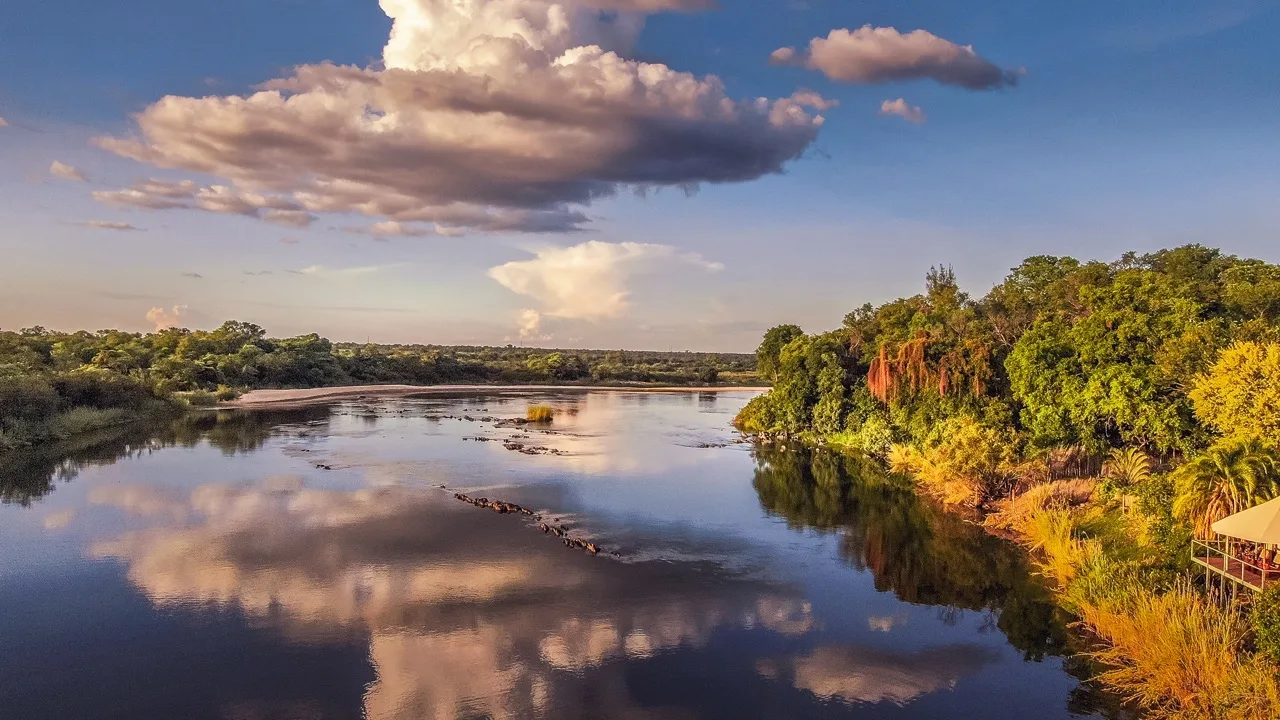
This is the part of Namibia that does not look like Namibia.
Explore Now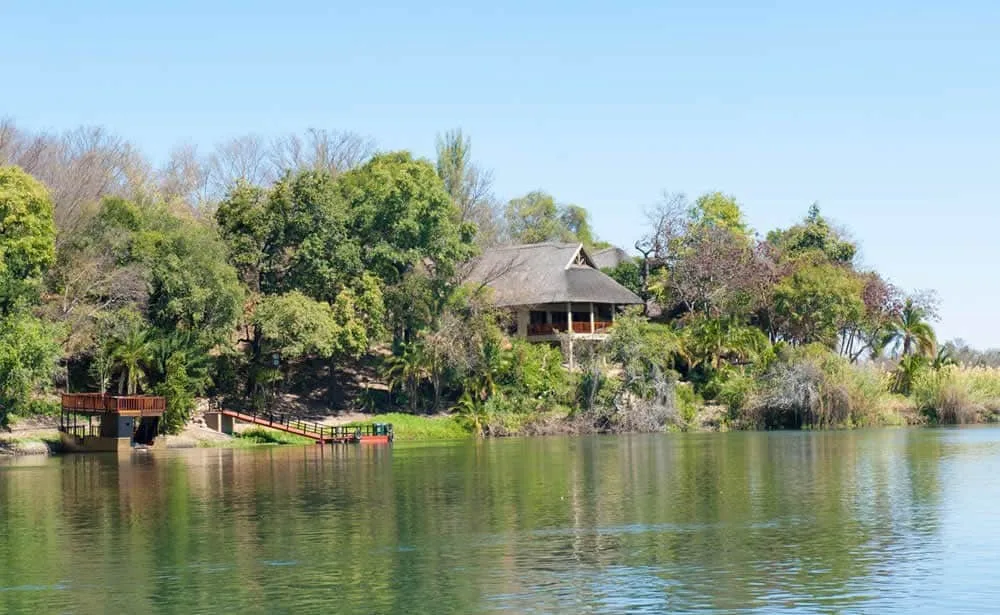
Epupa Falls
Explore Now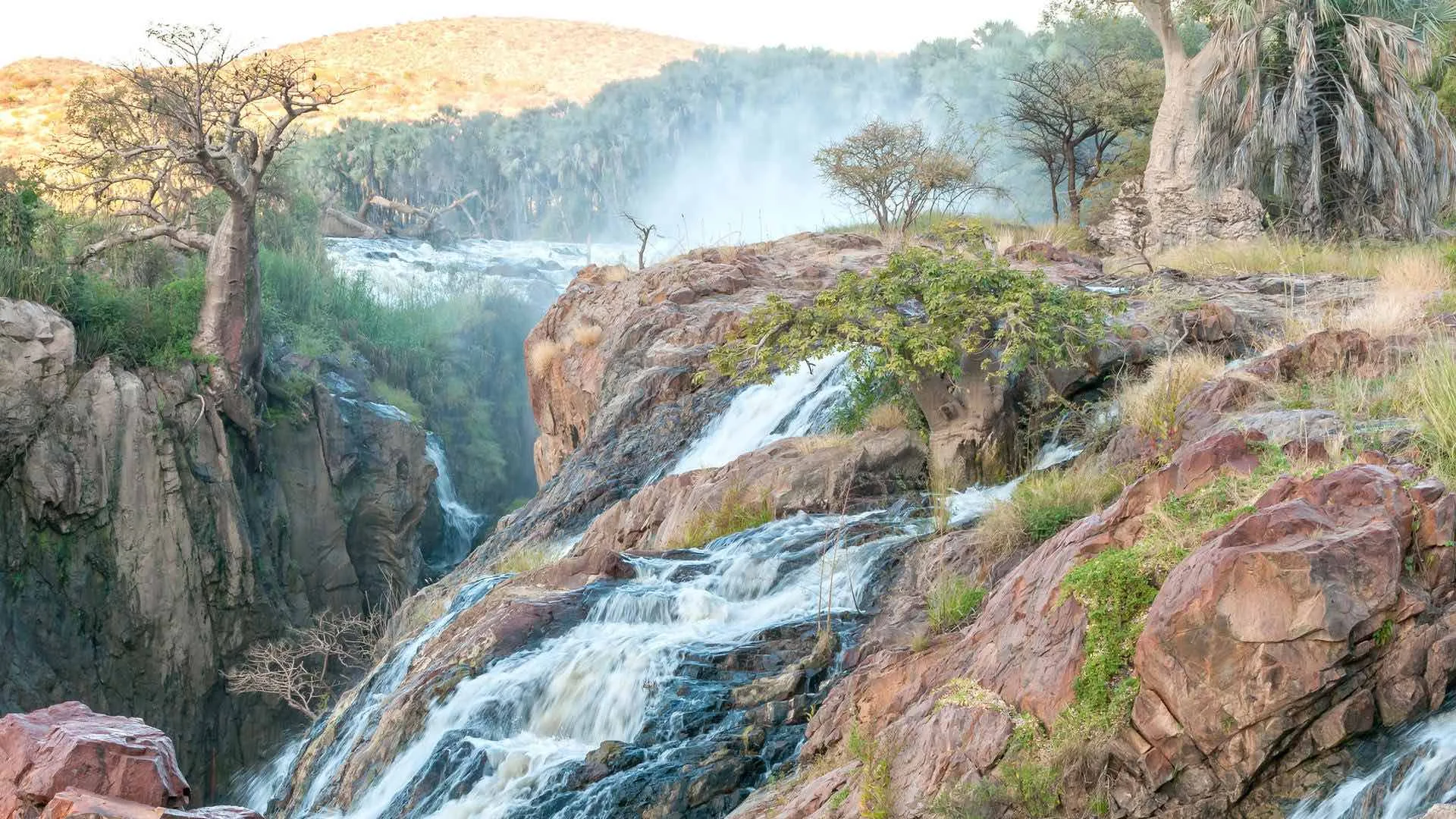
A Legacy In The Wild
Experience the untamed beauty of Africa through the lens of pure luxury. Witness nature’s most intimate moments unfold right before your eyes.
Start Planning