Namibia Guided Safaris
Enquire NowA guided safari through Namibia offers a fully immersive and effortless way to experience the country's diverse landscapes. Travelling with a professional guide, you gain deeper insight into the wildlife, culture, and hidden details that make each destination unique — from the iconic dunes of Sossusvlei to the wildlife-rich plains of Etosha National Park.
It's the perfect choice for those who want to relax, learn, and experience Namibia with expert guidance every step of the way.
Explore Namibia's Top Guided Itineraries
Expertly led safaris showcasing the finest destinations and experiences
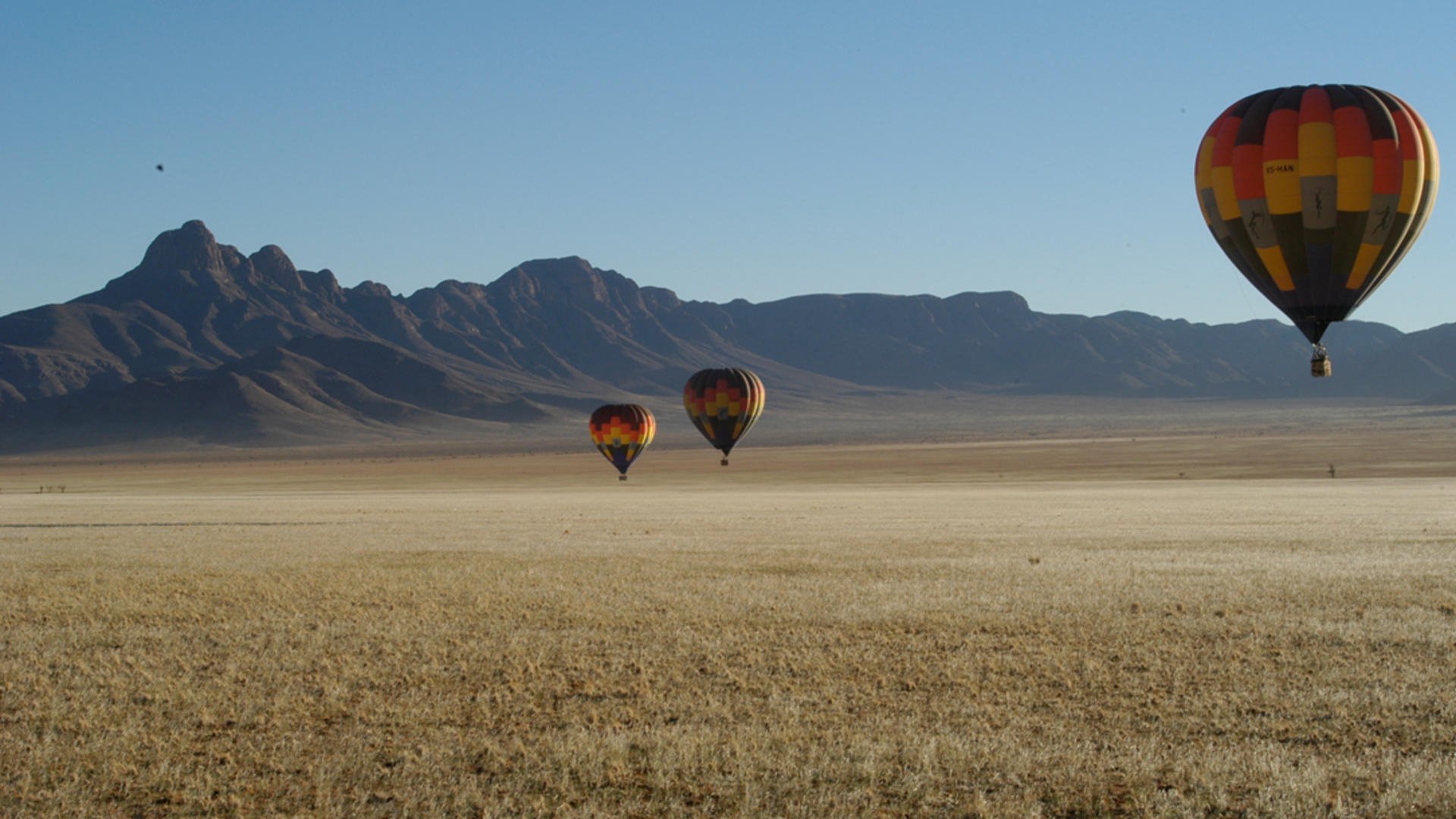
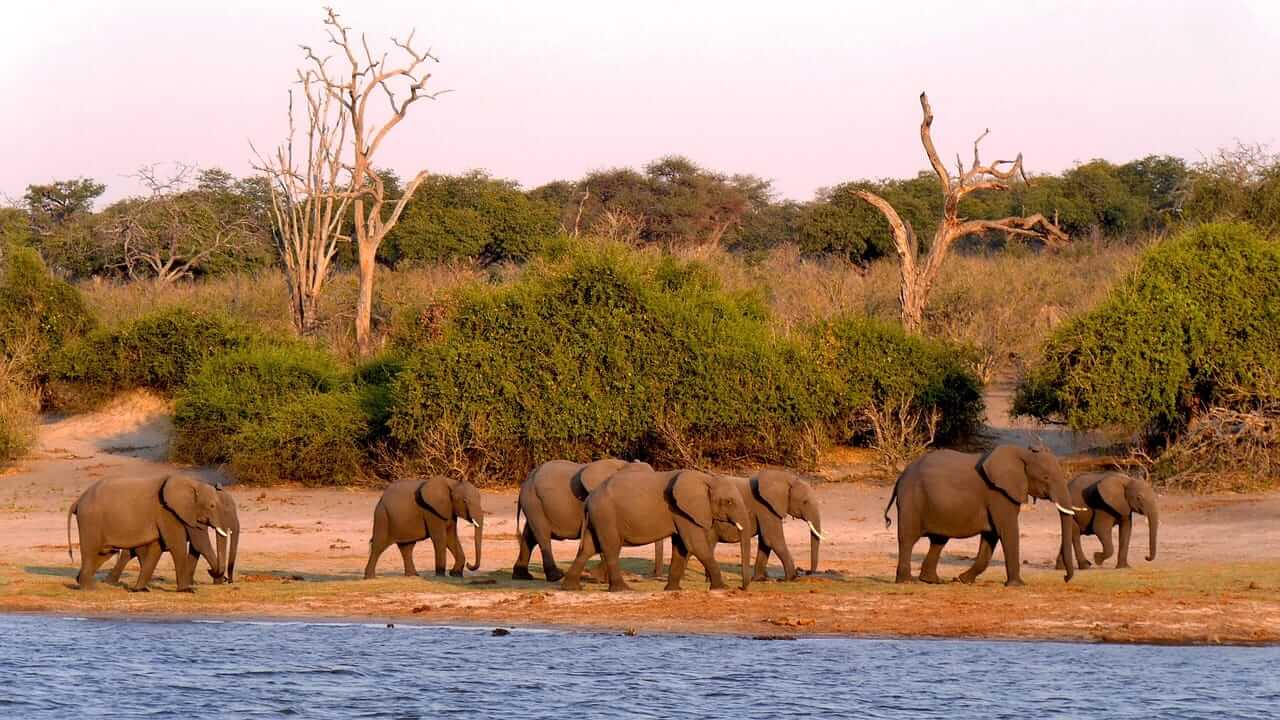
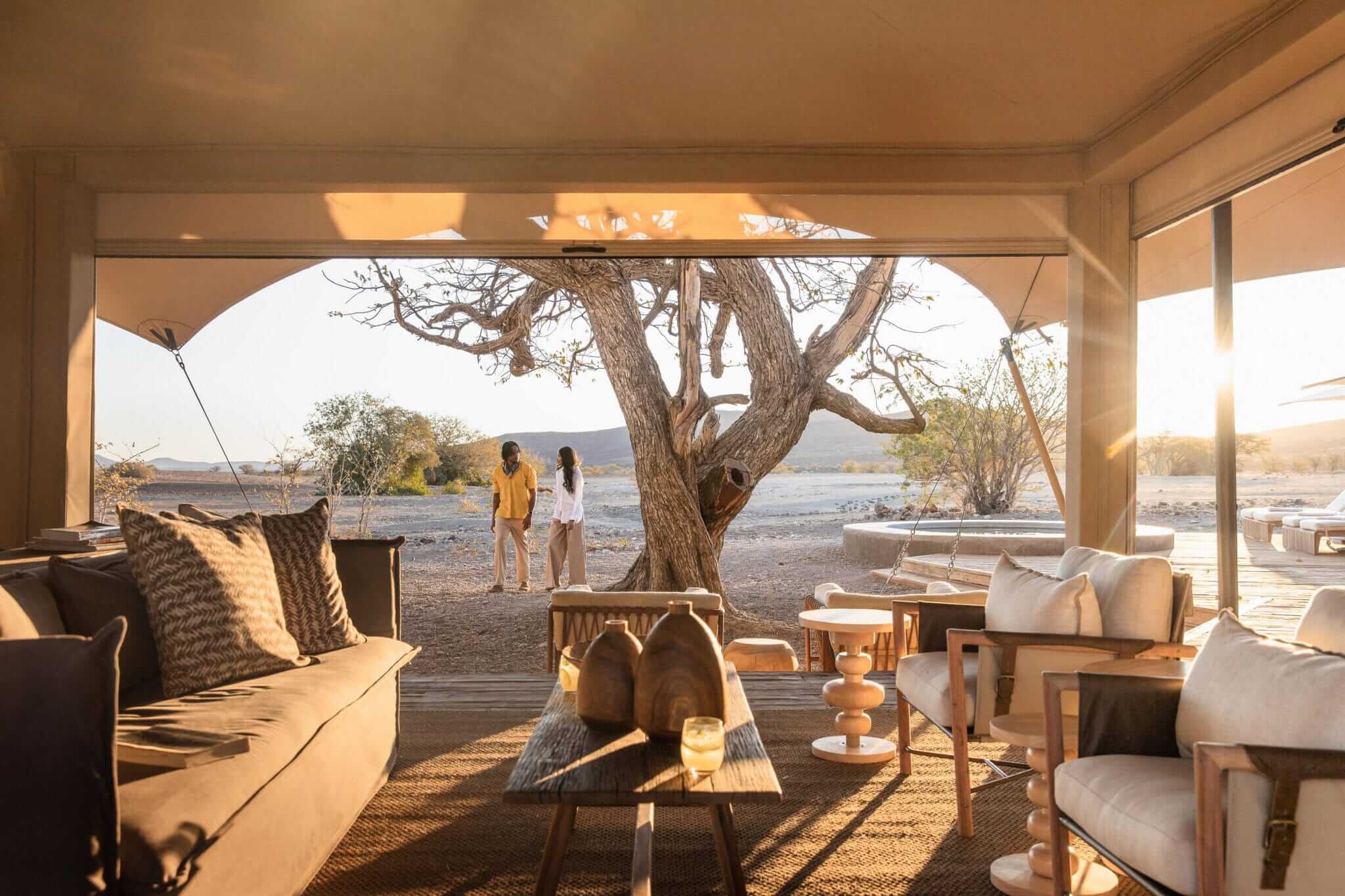
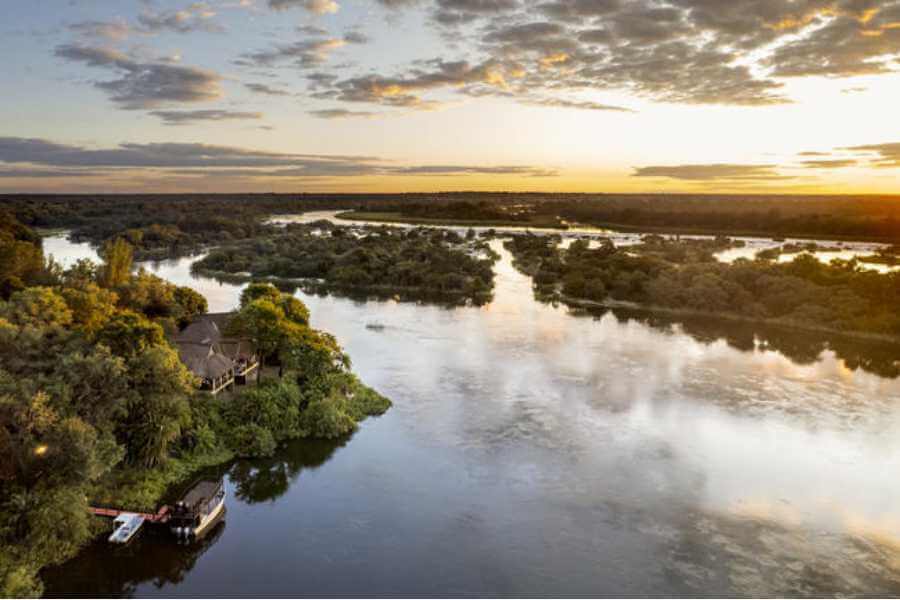
Namibia Guided Safaris
With an expert guide by your side, every journey becomes a story, every sighting a deeper experience, and every destination more meaningful.
Start Your JourneyWhen to Go
Namibia Guided Safaris
Frequently Asked questions
What is a guided safari in Namibia?
A guided safari in Namibia is a trip where a professional guide travels with you for the whole journey, driving the vehicle, planning each day and interpreting what you see. You are not navigating, and you are not managing logistics. Namibia is a large country with long distances between its highlights and a road network that is substantially gravel, so having a guide who knows the routes, the conditions and the wildlife changes the trip completely. Your guide handles park entries, timing at waterholes and the practical detail, which leaves you free to look out of the window.
What are the benefits of a guided safari?
The main benefit is that someone who knows Namibia is making the decisions about where to be and when. Guides read tracks, recognise bird calls and know which waterholes are producing sightings on a given week, so you see more than you would on your own. You also travel without the mental load of navigating gravel roads, judging fuel range between towns or working out park gate times. For first-time visitors to Africa, and for anyone who would rather spend the day watching wildlife than reading a map, that trade is usually worth it.
Are guided safaris private or in groups?
Both are available. A private guided safari means the vehicle, the guide and the itinerary are yours alone, so departure dates and daily pace are set around you rather than a fixed schedule. Scheduled group departures share the vehicle and guide with other travellers on a set route, which brings the per-person cost down. Private travel suits couples, families and anyone with particular interests such as photography or birding; group departures suit solo travellers and those happy to follow a set programme. Our Namibia luxury safaris sit at the private end of that range.
What type of vehicle is used?
Guided safaris use comfortable 4x4 safari vehicles built for Namibian conditions, with raised seating and large windows for game viewing. This matters more in Namibia than in many destinations: much of the country's road network is gravel, distances between camps run to several hours, and the approach roads to places like Sossusvlei and Damaraland are unsurfaced. A vehicle set up for that terrain is the difference between a long day and an uncomfortable one, and the height gives you a better line of sight over Etosha's scrub than a standard car.
How much flexibility do I have on a guided safari?
On a private guided safari the itinerary is genuinely flexible. If the light is good you can stay out longer, if a sighting is developing you can wait, and if you would rather have a slow morning your guide adjusts the day around it. Group departures follow a fixed route and set timings, because the schedule has to work for everyone in the vehicle. If flexibility is your priority, choose private. If budget matters more and you are comfortable with a set programme, a scheduled departure is the better value.
What destinations are included in guided safaris?
Most Namibia guided safaris cover four anchors: Sossusvlei in the Namib-Naukluft, where the red dunes are photographed at sunrise; Swakopmund on the Atlantic coast; Damaraland, known for desert-adapted elephant and the rock engravings at Twyfelfontein, a UNESCO World Heritage Site since 2007; and Etosha National Park, roughly 22,270 square kilometres of savannah where game concentrates at waterholes. Longer itineraries add Fish River Canyon in the south, or continue north-east into the Caprivi, Chobe and Victoria Falls.
When is the best time for a guided safari in Namibia?
May to October is the best window for game viewing. Rainfall drops to almost nothing across those months — July and August average about 1 mm, June around 3 mm — so vegetation thins out, surface water disappears and animals concentrate at Etosha's waterholes where they are far easier to find. Nights are cold in mid-winter, with July running roughly 6–21 °C, so warm layers matter for early game drives. The green season from January to March is quieter and dramatically photogenic, with lush landscapes and newborn animals, but sightings are more scattered. Our month-by-month Namibia weather guide breaks it down in detail.
Should I choose a guided safari or a self-drive safari in Namibia?
Choose guided if it is your first trip to Namibia, if you would rather not drive long gravel routes, or if wildlife knowledge is what you are paying for. Choose self-drive if you value independence, want to set your own pace and are comfortable handling gravel roads, tyre changes and fuel planning between remote towns. Namibia is one of the easiest African countries to self-drive, which is why both work here — the honest difference is that a guide finds and explains more wildlife, while self-drive gives you the freedom to linger. See our Namibia self-drive safaris for that alternative.
Is a guided safari suitable for first-time visitors?
Yes — it is usually the best choice for a first trip. Everything that makes Namibia demanding for a newcomer is handled for you: the distances, the gravel roads, the park gate timings and knowing where wildlife is likely to be that week. You arrive, you get in the vehicle, and the country is explained to you as you go. First-time visitors also tend to see considerably more on a guided trip, because a guide spots and identifies animals that an untrained eye drives straight past.
Every journey leaves a story behind.
Discover the raw, unfiltered voices of our guests as they share their Desert Tracks adventures across Namibia and Botswana. Their words capture the magic better than we ever could.
Highlights to Visit
Sossusvlei Dunes
Imagine waking up to the serene silence of the Namib Desert, the world’s oldest living desert.
Explore Now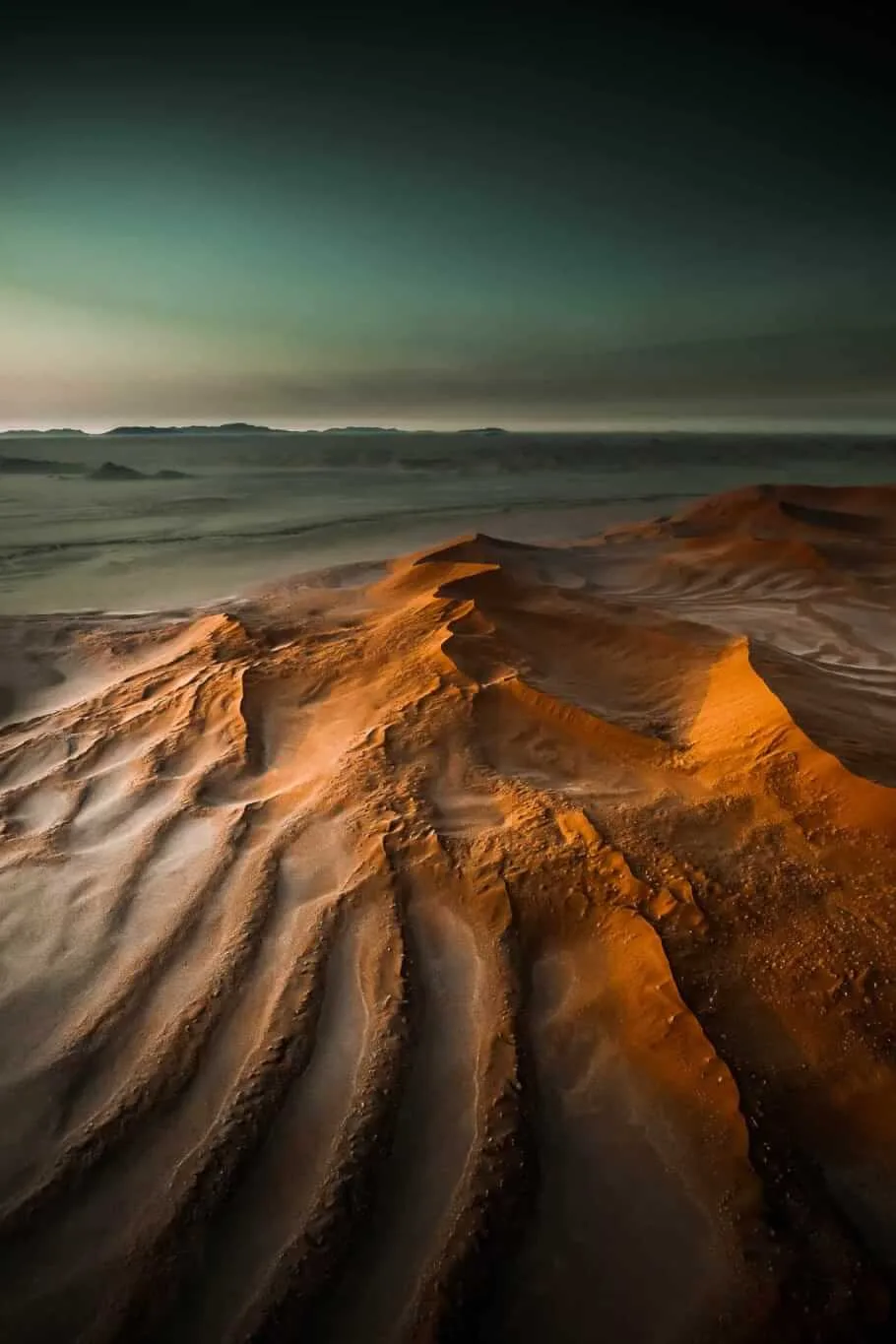
Etosha National Park
Thrilling game drives among elephants, lions, rhinos and giraffes, at Etosha’s great waterholes.
Explore Now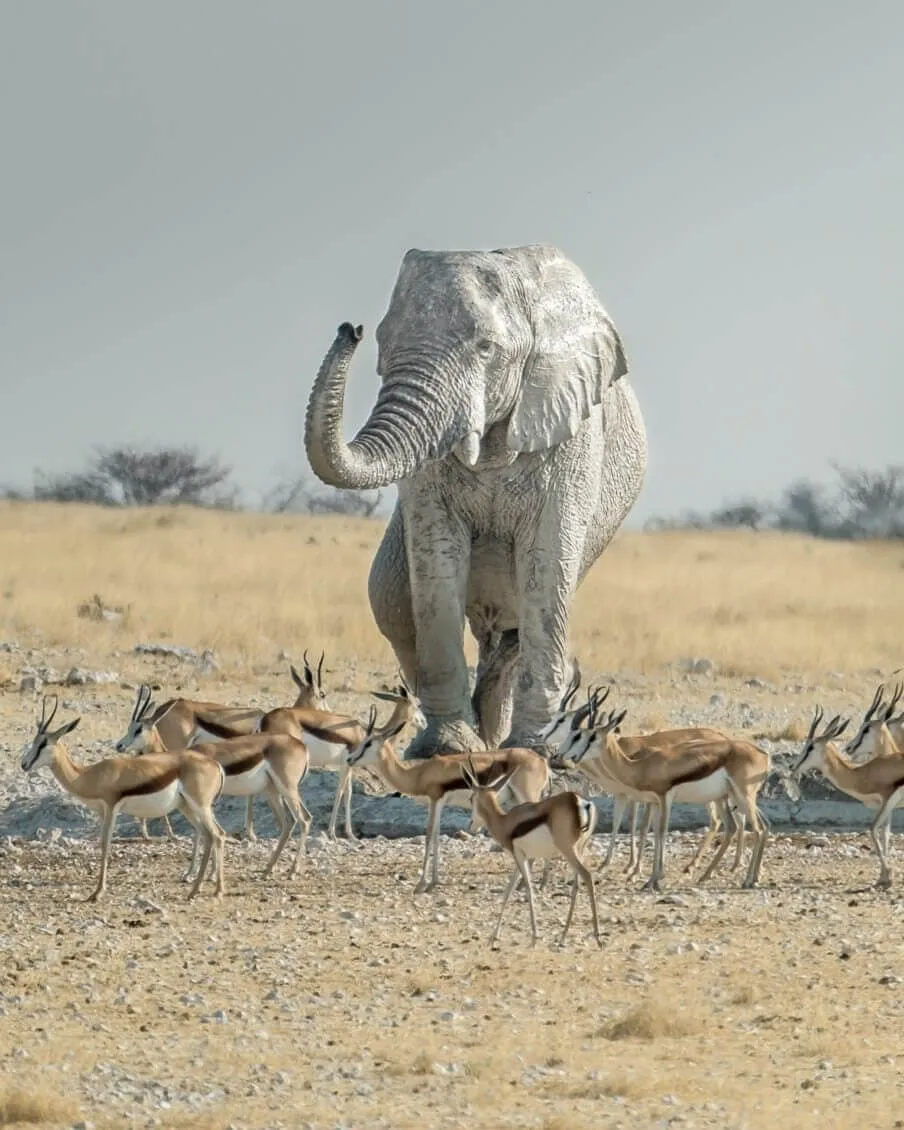
Fish River Canyon
Explore Now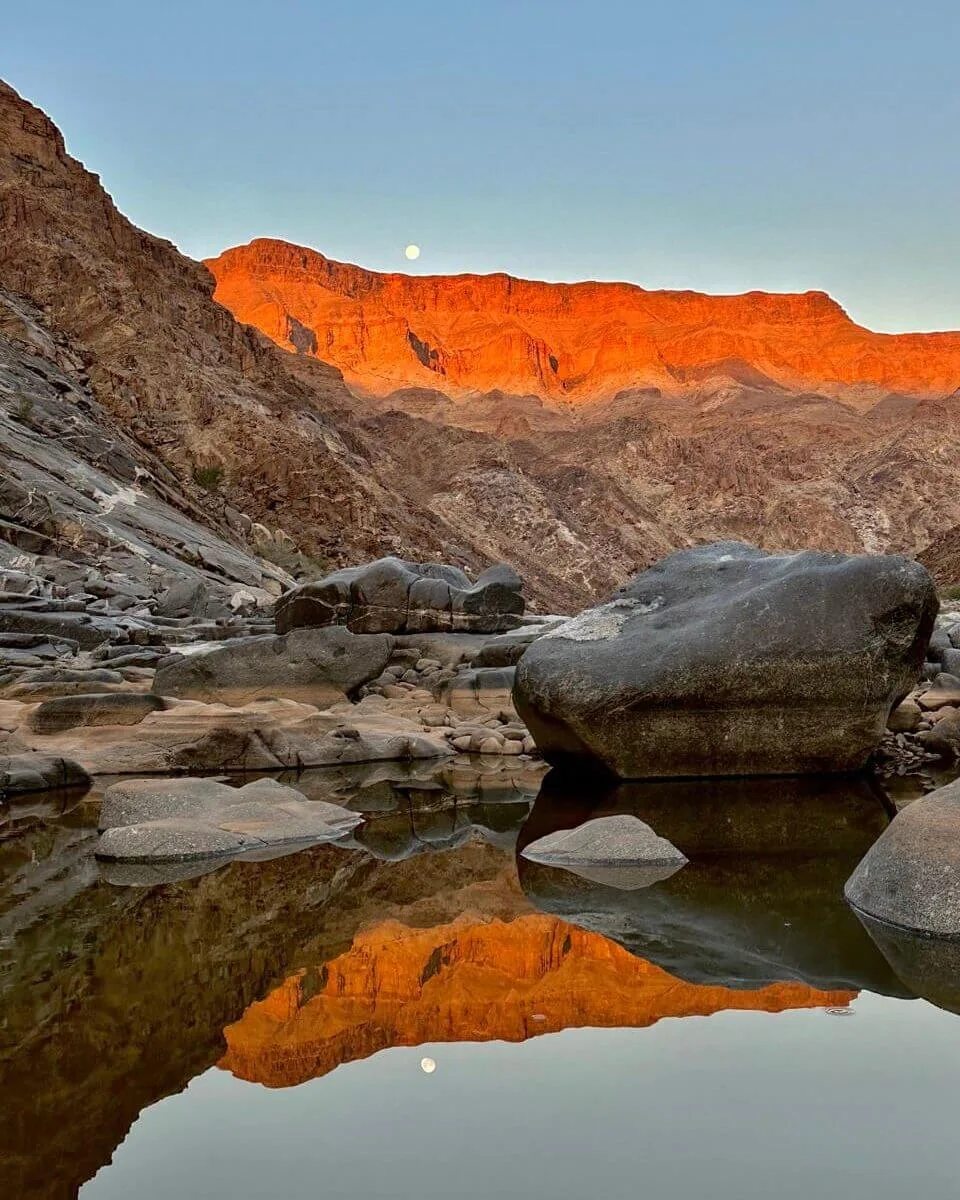
Coastal Swakopmund
Swakopmund sits where the Benguela current meets the Namib, which produces fog most mornings and a chill that catches people out badly.
Explore Now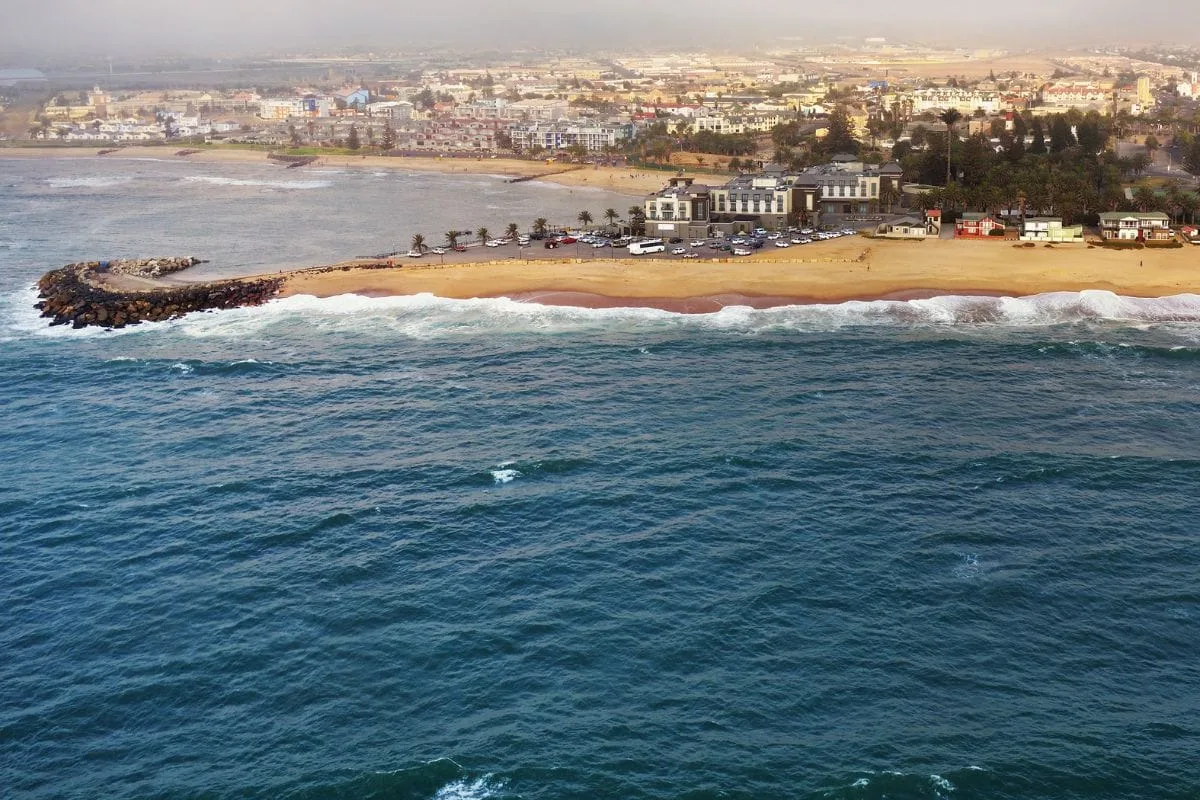
Skeleton Coast
The fog and shipwrecks of the Skeleton Coast, where the cold Atlantic meets the desert.
Explore Now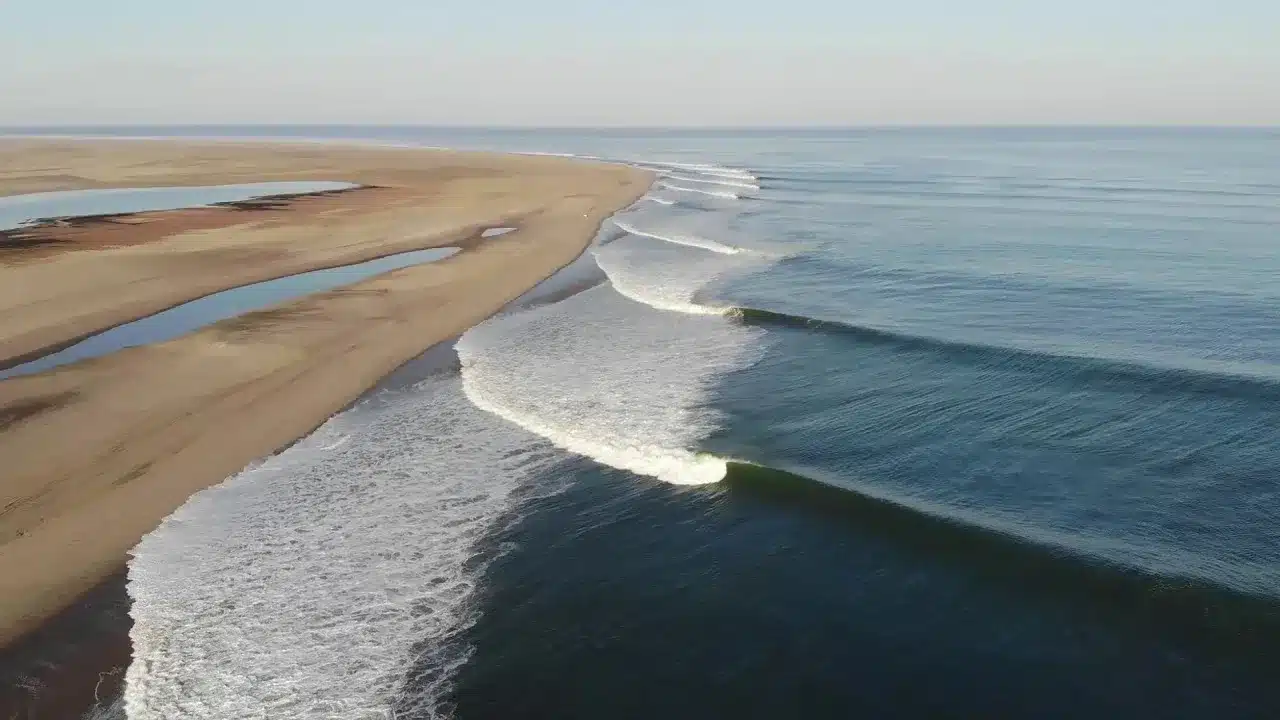
Rugged Damaraland
The prehistoric landscapes of Damaraland — granite-boulder country on the edge of the desert.
Explore Now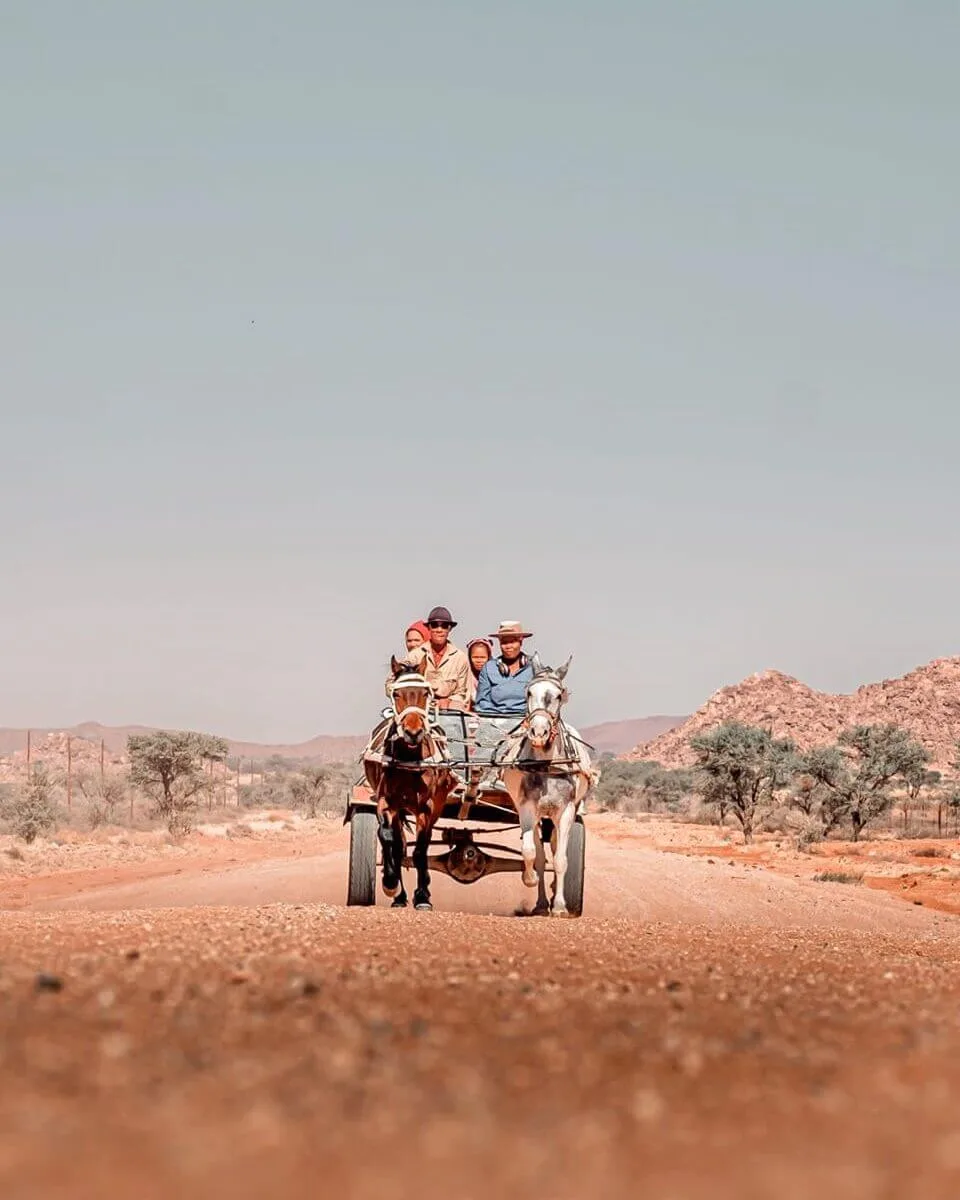
Kalahari Desert
Red dunes. Acacia trees. A place so open and unfiltered it feels like the world’s been put on mute.
Explore Now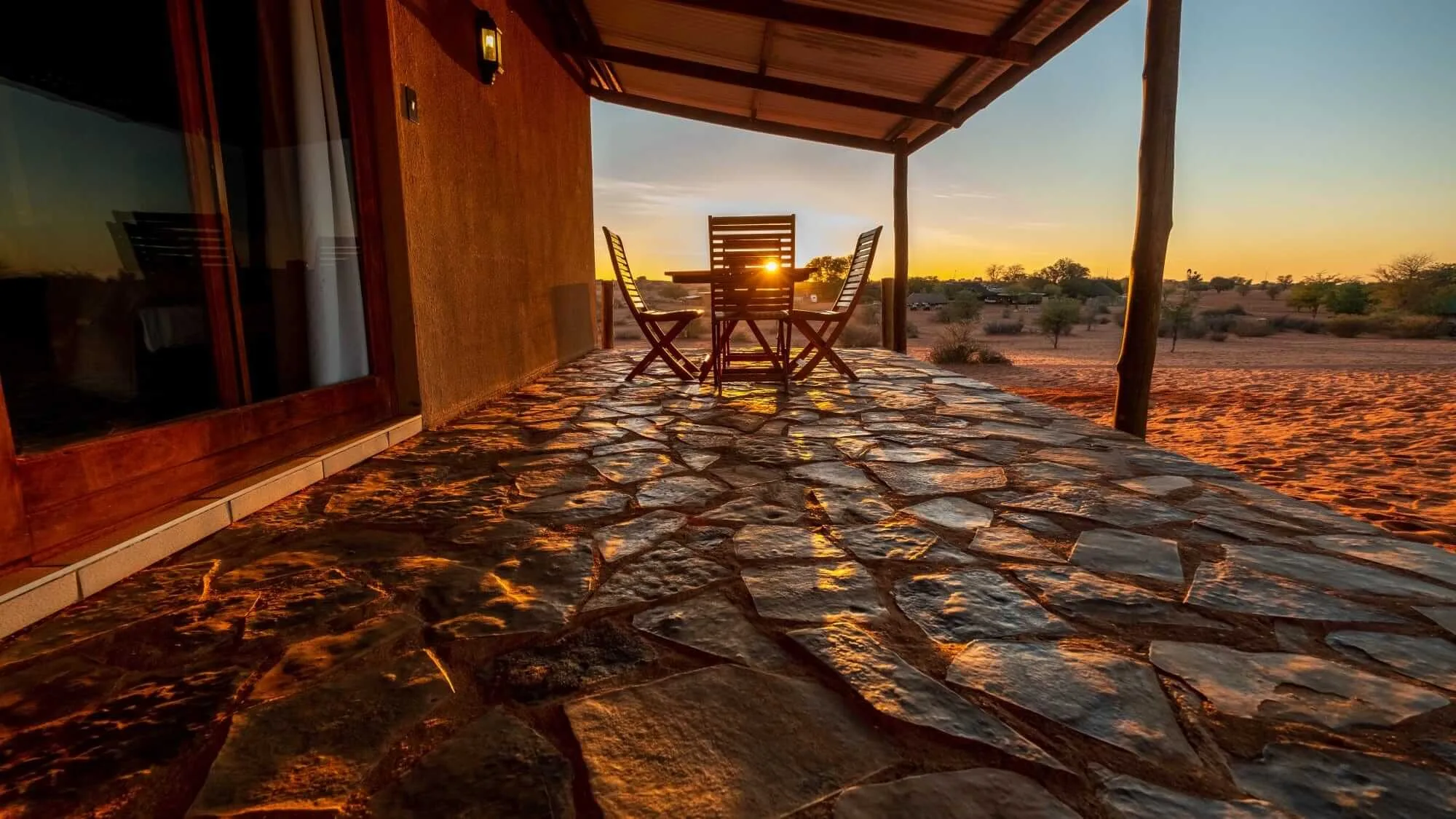
Lush Caprivi
This is the part of Namibia that does not look like Namibia.
Explore Now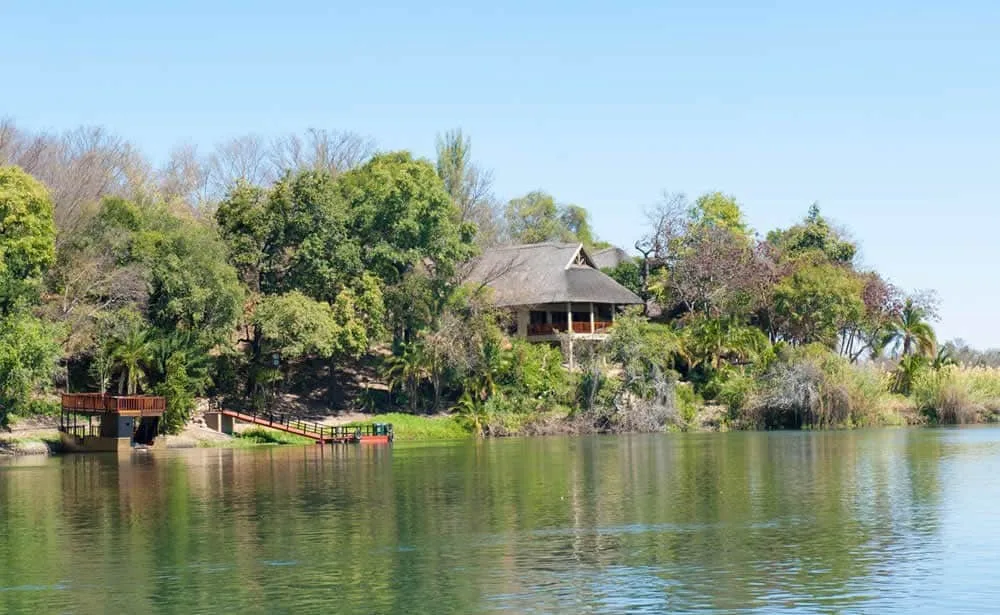
Epupa Falls
Explore Now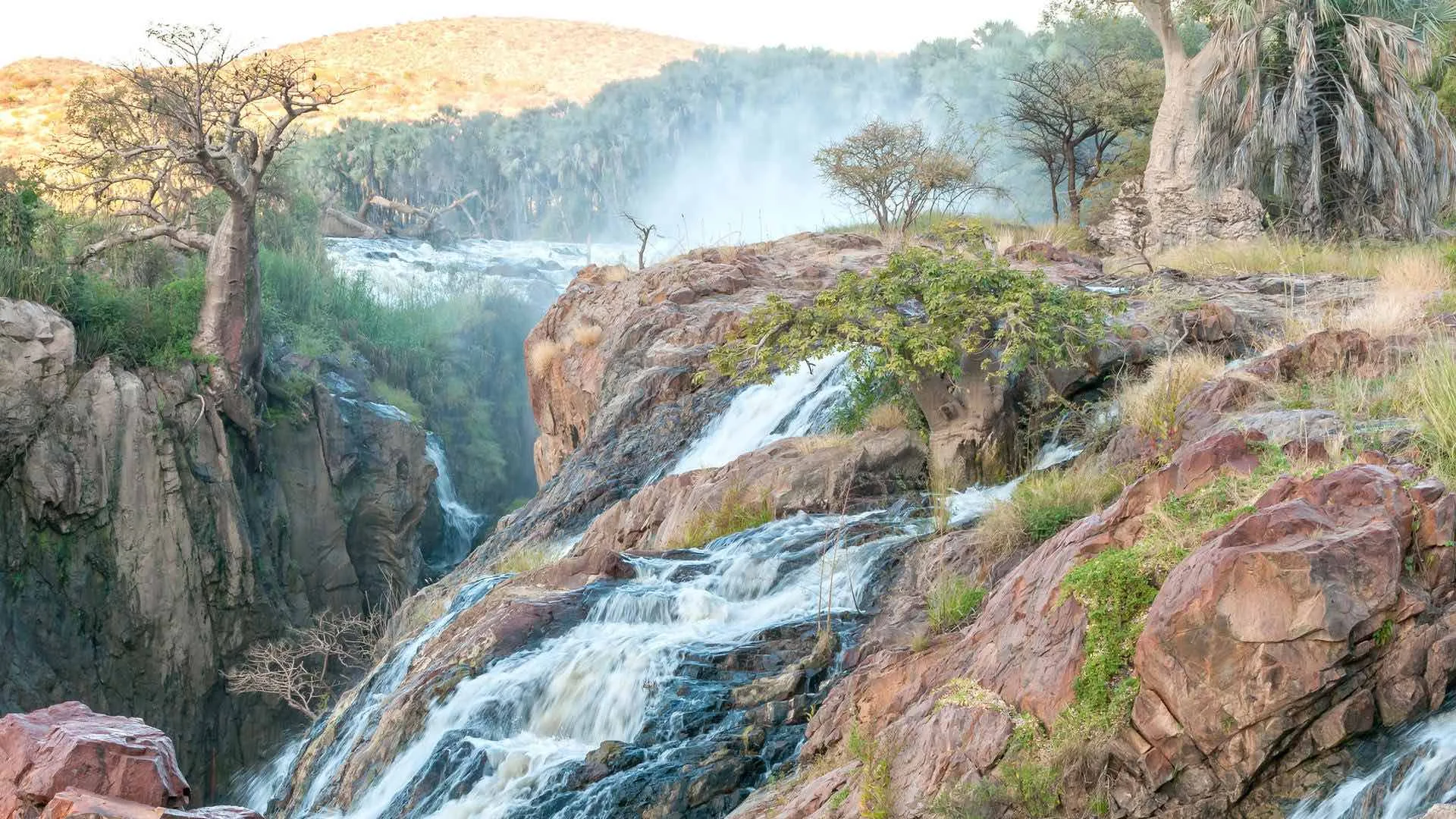
A Legacy In The Wild
Experience the untamed beauty of Africa through the lens of pure luxury. Witness nature’s most intimate moments unfold right before your eyes.
Start Planning