What is the weather like during June in Namibia
June opens Namibia’s winter and its peak safari season. Expect 20–29°C by day, 0–13°C at night and effectively no rain. Game concentrates at permanent waterholes, skies stay cloudless, and high-season rates begin.
What is the weather like during June in Namibia
June is the start of the Namibian winter and the start of the peak safari season. It is dry, clear, cool by day and genuinely cold at night. Interior highs settle at roughly 20°C to 24°C, and nights fall to between 5°C and 10°C — below freezing in the Kalahari on the coldest mornings.
The trade is straightforward and the reason June books out: you accept cold dawns and higher rates, and in exchange you get the best game viewing of the year beginning, cloudless skies, no insects worth mentioning, and no malaria risk on the classic circuit.
Namibia in June – Weather Conditions
Rainfall is effectively zero across the country. Skies are cloudless for weeks at a time. Humidity inland sits near its annual low of around 32%, which makes the heat of the day easy and the cold of the night sharp.
Temperatures in Namibia in June
The daily swing is the largest of the year. A June day in Windhoek runs from about 7°C at dawn to 22°C by mid-afternoon — fifteen degrees inside eight hours, and closer to twenty on the southern plateau.
Visitors pack for “Africa”, climb into an open vehicle at 05:30 in a t-shirt, and spend the best wildlife hour of the day too cold to enjoy it. Layers you can shed by nine in the morning: fleece, long sleeves, short sleeves underneath.

Namibia in June – Wildlife and Safari Experiences
June is where Namibian game viewing becomes genuinely easy. Surface water has gone, grass has fallen, and animals have no choice but to come to the permanent waterholes.
Game Viewing in Etosha National Park
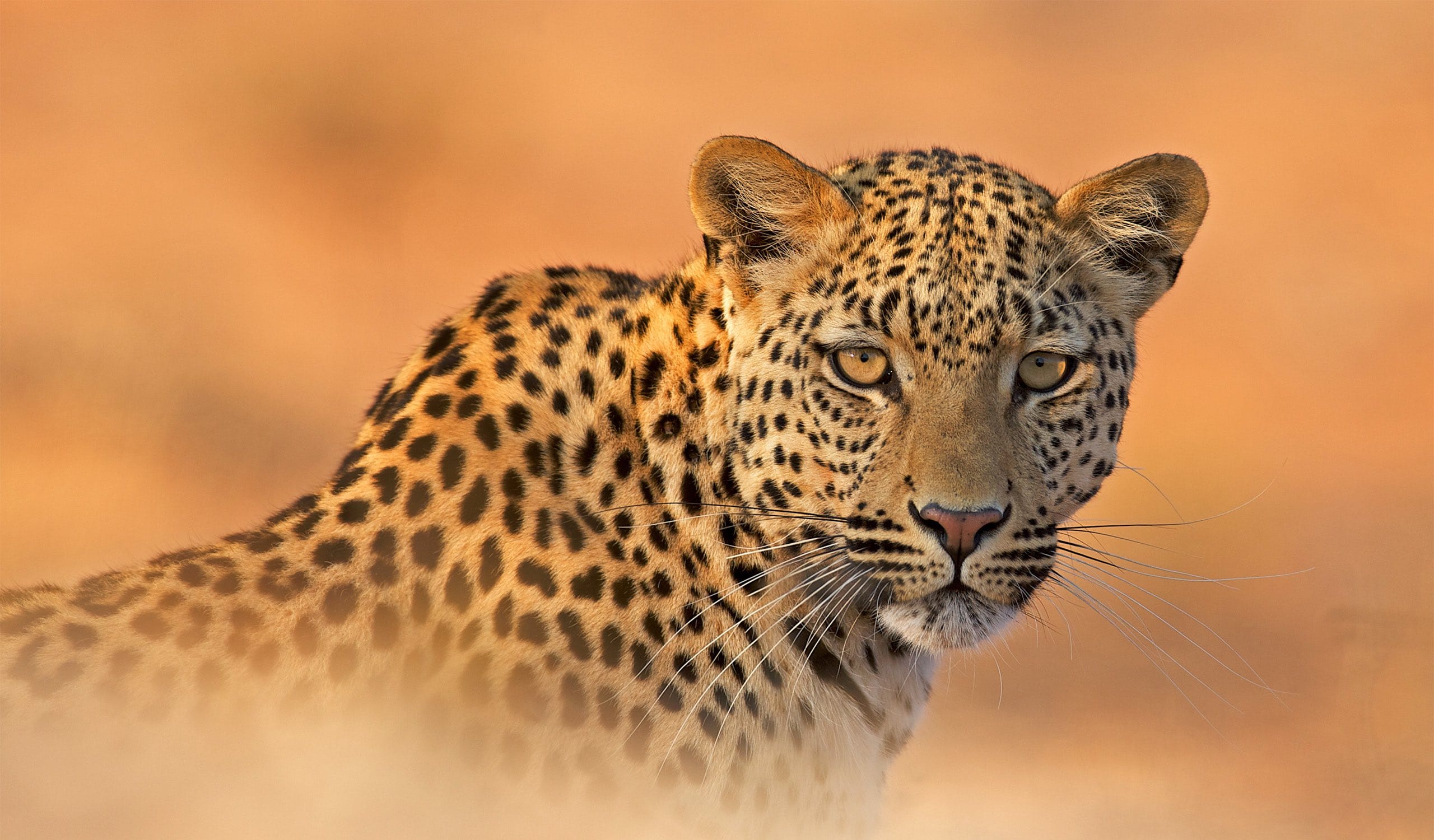
Excellent, and improving through the month. The waterholes along the southern edge of the pan — Okaukuejo, Halali, Namutoni and the smaller ones between them — do the work for you: sit still and the animals arrive. Elephant, zebra, springbok, oryx, giraffe and kudu are reliable; lion and rhino become realistic rather than lucky. Short grass means long sightlines across the pan edge. Camps inside the park are run by Namibia Wildlife Resorts and June is where booking ahead stops being optional.
Beyond Etosha – Zambezi and Caprivi
The Zambezi floodwaters have receded from their April peak, opening the floodplains and drawing game back onto them. Roads that were difficult in March are passable. This is the region’s transition into its good season, and it runs from June through to October.
Desert Wildlife in Damaraland and the Namib
Desert-adapted elephant and black rhino are at their most trackable now. The ephemeral rivers have stopped running, so the elephant settle into predictable stretches of the Huab, Hoanib and Ugab. Cold mornings mean animals move later and stay active longer, which suits a self-drive schedule.
Birdwatching in Namibia in June
Poor, and worth saying honestly. The summer migrants left months ago, the pans are dry, and resident species are not breeding. What June does offer is raptors against clear skies and excellent visibility through thin cover. Serious birders should travel between December and March.
Namibia in June – Best Regions to Visit
The Namib Desert
Comfortable by day and severe at dawn. Sossusvlei in June means a genuinely cold start — often near freezing at the gate — followed by a mild, cloudless morning perfect for walking and climbing. The low winter sun holds long shadows across the dunes for hours rather than minutes, which is why June and July are the photographers’ months.
The Skeleton Coast
Mild and stable, as always. In June the coast is warmer at night than the interior, which reverses the usual relationship. Fog remains the constant. Permits and gate times, not weather, govern access.
Swakopmund and Walvis Bay
Eighteen to twenty-one degrees and, unusually, the mildest place in Namibia at night. June is quiet on the coast — Namibian domestic travel to Swakopmund is a summer habit — and the lagoon at Walvis Bay is at its most rewarding for resident flamingo and pelican.
Damaraland and the Central Highlands
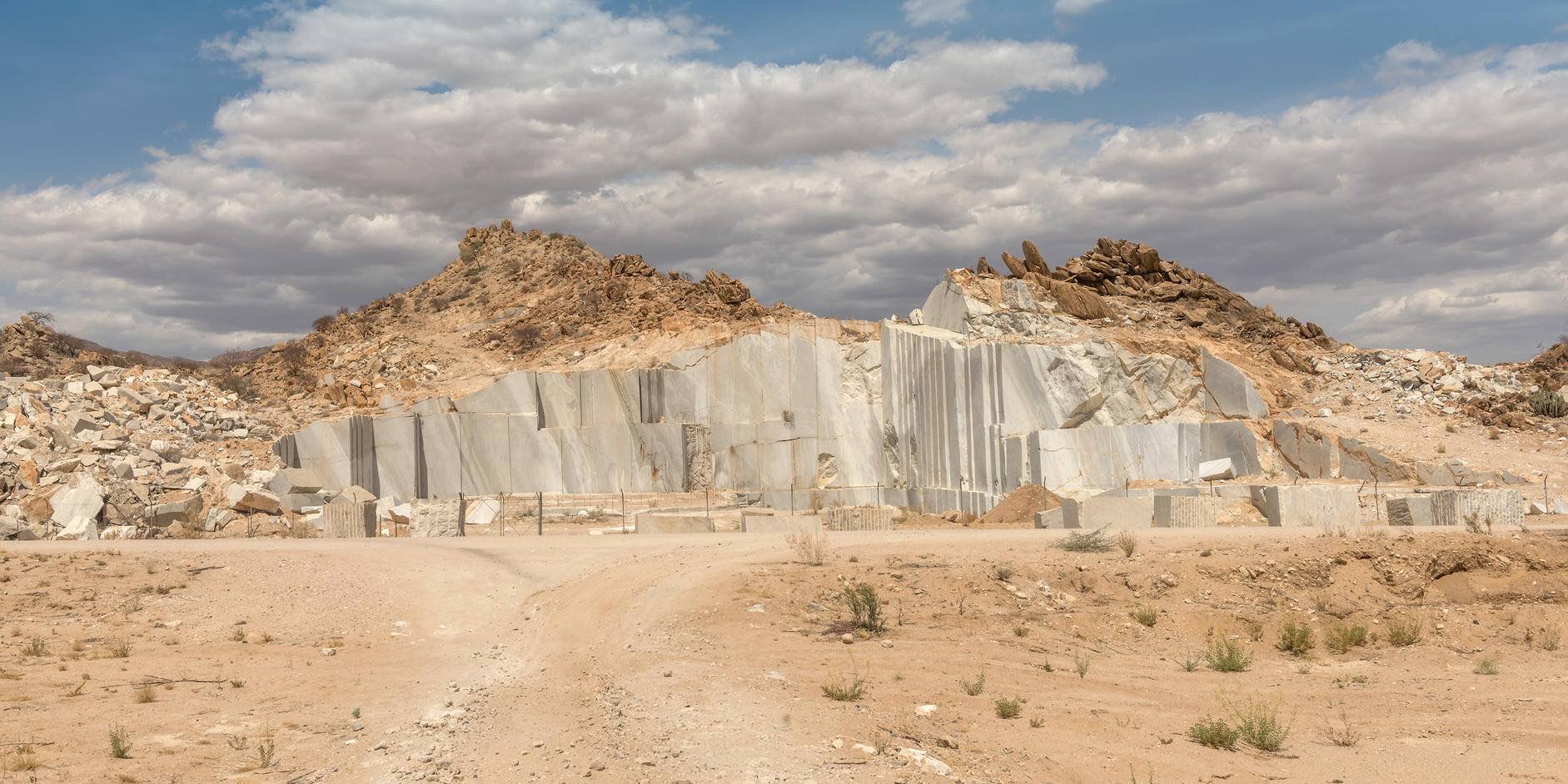
Superb. Cold mornings, mild afternoons, cloudless skies and excellent walking. Damaraland’s granite and the Erongo are at their best in winter, and the desert-adapted wildlife is easier to find than at any other time.
Fish River Canyon
June opens the Fish River hiking season, which runs from May to mid-September and is closed the rest of the year because of heat and flash-flood risk. Days at the canyon rim are mild; nights on the canyon floor are cold. Permits are required and numbers are limited — this is not a walk-up activity.
Namibia in June – Costs, Crowds, and Comfort
June is the first month of high season, and the pricing reflects it. Most lodges move to peak rates from 1 June or 1 July, so June often sits just inside the expensive band while still being noticeably quieter than July and August.
That makes early June one of the better-value weeks in the dry season: high-season game viewing, high-season weather, and crowds that have not yet built. Book three to four months ahead for June; by July that becomes six or more.
May is cheaper and quieter with slightly weaker game viewing. June is better for wildlife and colder at night. The gap in game viewing is larger than the gap in price.
Namibia in June – Highlights and Lowlights
Highlights
- Game viewing becomes reliable. Animals are forced onto permanent water.
- Cloudless skies for weeks. Effectively no rain risk anywhere.
- No malaria risk on the classic circuit, and mosquitoes are largely absent countrywide.
- Comfortable daytime temperatures. Low twenties inland; walking is pleasant.
- Exceptional light. Low winter sun, long shadows, no haze.
Lowlights
- Genuinely cold dawns. Freezing in the Kalahari and the Namib on clear mornings.
- High-season rates begin. The cheap months are behind you.
- The landscape is bare. Gold and grey rather than green.
- Short days. Sunrise near 07:20 and sunset near 17:50 compress the game-viewing window.
- Poor birding. The weakest stretch of the year, alongside May and July.
Namibia in June – Festivals and Events
June is quiet on the Namibian calendar. There is no national public holiday in June, which makes it one of the few months where domestic travel patterns do not affect availability at all.
What June does bring is the start of the season for events that depend on cool weather: guided walking seasons open, the Fish River Canyon hiking trail opens from 1 May through mid-September, and lodges begin their winter programmes of night drives and star-gazing. Nothing here needs planning around — it simply becomes available.
Namibia in June – Activities and Packing Tips
June suits anyone who would rather walk than swelter. The activities that are unpleasant in January are genuinely enjoyable now.
- Sit at a waterhole. Okaukuejo’s floodlit hole after dark is the single best wildlife hour in Namibia in June.
- Hike the Fish River Canyon. The season is open and the weather is the reason it is.
- Walk in Damaraland and the Erongo. Cool, dry, insect-free.
- Climb dunes at Sossusvlei. Cold at the gate, perfect by seven.
- Stargaze. Long nights, dry air and no cloud — the best of the year.
Packing, in order of what visitors get wrong:
- A proper insulated jacket, not a fleece alone — dawn can be at or below freezing
- Warm hat and gloves for open-vehicle drives; you will use them
- Layers to shed by nine in the morning
- Long sleeves and long trousers for the middle of the day
- High-SPF sunscreen, wide-brimmed hat, sunglasses, SPF lip balm — winter sun at altitude is deceptive
- Heavy moisturiser and lip balm; June air is the driest of the year
- Closed walking shoes
June is the last month of the seasonal transmission window, which runs November to June in Ohangwena, Omaheke, Omusati, Oshana, Oshikoto and Otjozondjupa. The Kunene, Okavango and Zambezi rivers remain year-round risk areas. Windhoek has no transmission and the Sossusvlei–Swakopmund–Damaraland circuit sits outside the risk regions entirely. Take your route and dates to a travel clinic rather than a rule of thumb.
Is Namibia in June a Good Time to Visit?
Yes, without much qualification. June is the beginning of the best game-viewing stretch of the Namibian year, with cloudless weather, comfortable days, negligible insect and malaria risk on the classic route, and the clearest night skies you will see anywhere.
The two costs are real but manageable: the nights are cold enough to require proper clothing, and you are now paying high-season rates. If you can travel in the first two weeks of June you get most of the wildlife advantage before the crowds arrive, which is the sweet spot most people miss.
Our Namibia weather by month guide compares all twelve months directly. For a route built around winter game viewing, the 14-day Namibia self-drive safari is our starting point.
June is one of twelve, and the differences between them are larger than most visitors expect. Every month is covered in the same detail in our Namibia weather by month.
Frequently asked questions
Is June a good time to visit Namibia?
Yes. It opens the peak safari season: reliable waterhole game viewing, cloudless skies, comfortable low-twenties days, almost no insects and no malaria risk on the classic circuit. The costs are cold dawns and high-season rates.
How cold does Namibia get in June?
Cold. Nights fall to 6–9°C in Windhoek, 2–7°C at Sossusvlei and 0–5°C in the Kalahari, where frost is normal on clear mornings. Days stay at 20–29°C.
Does it rain in Namibia in June?
Effectively never. June is one of the driest months of the year countrywide, with cloudless skies often lasting weeks.
Is Etosha good in June?
Yes — this is where the good season starts. Surface water has gone, so animals concentrate at the permanent waterholes and sightings become reliable rather than lucky.
Do you need malaria tablets for Namibia in June?
June is the last month of the seasonal window in the northern regions, and the Kunene, Okavango and Zambezi rivers are year-round risk areas. The classic southern circuit is outside the risk regions. Ask a travel clinic about your specific route.
Can you hike the Fish River Canyon in June?
Yes. The trail is open from 1 May to mid-September, and June is one of the best months for it. Permits are required and numbers are limited.
Last verified August 2026. Temperature and rainfall figures are seasonal norms, not forecasts; any individual year will vary. Long-run climate data is published by the World Bank Climate Change Knowledge Portal.
Tell us your dates and we will tell you what the weather usually does on your route, and which lodges are worth booking early.