What is the weather like during March in Namibia
March ends Namibia’s rainy season. Expect 27–34°C inland, 20–24°C on the coast and roughly 60–80 mm of rain in the centre. The country is still green, the skies are clearing, and rates are still low season.
What is the weather like during March in Namibia
March is the month Namibia changes gear. The rains are ending rather than building, the heat has come off the peak, and the country is at its greenest just as the skies begin to clear. Daytime temperatures run roughly 16°C to 29°C over the interior, and rainfall drops to around 60–80 mm in the centre — less than half of February.
It is, for a certain kind of traveller, the best-value month on the calendar: green landscapes and dramatic light without February’s humidity, and rates that have not yet climbed into the dry-season peak.
Namibia in March – Understanding the Season
March sits at the hinge of the Namibian year. The summer rainfall season runs from November to April, and March is where it starts to let go. Storms become less frequent and less violent, humidity begins its long slide toward the winter average of about 32% inland, and the first genuinely clear mornings of the year arrive.
The landscape lags behind the weather by a few weeks, which is the whole point. Grass is still long, waterholes are still full and the bush is still green — but you are no longer guaranteed an afternoon washout. That gap between the end of the rain and the browning of the veld is a matter of weeks, and March sits in the middle of it.
March gives you February’s scenery with April’s skies, at low-season prices — and that combination does not last.
Namibia in March – Weather Conditions
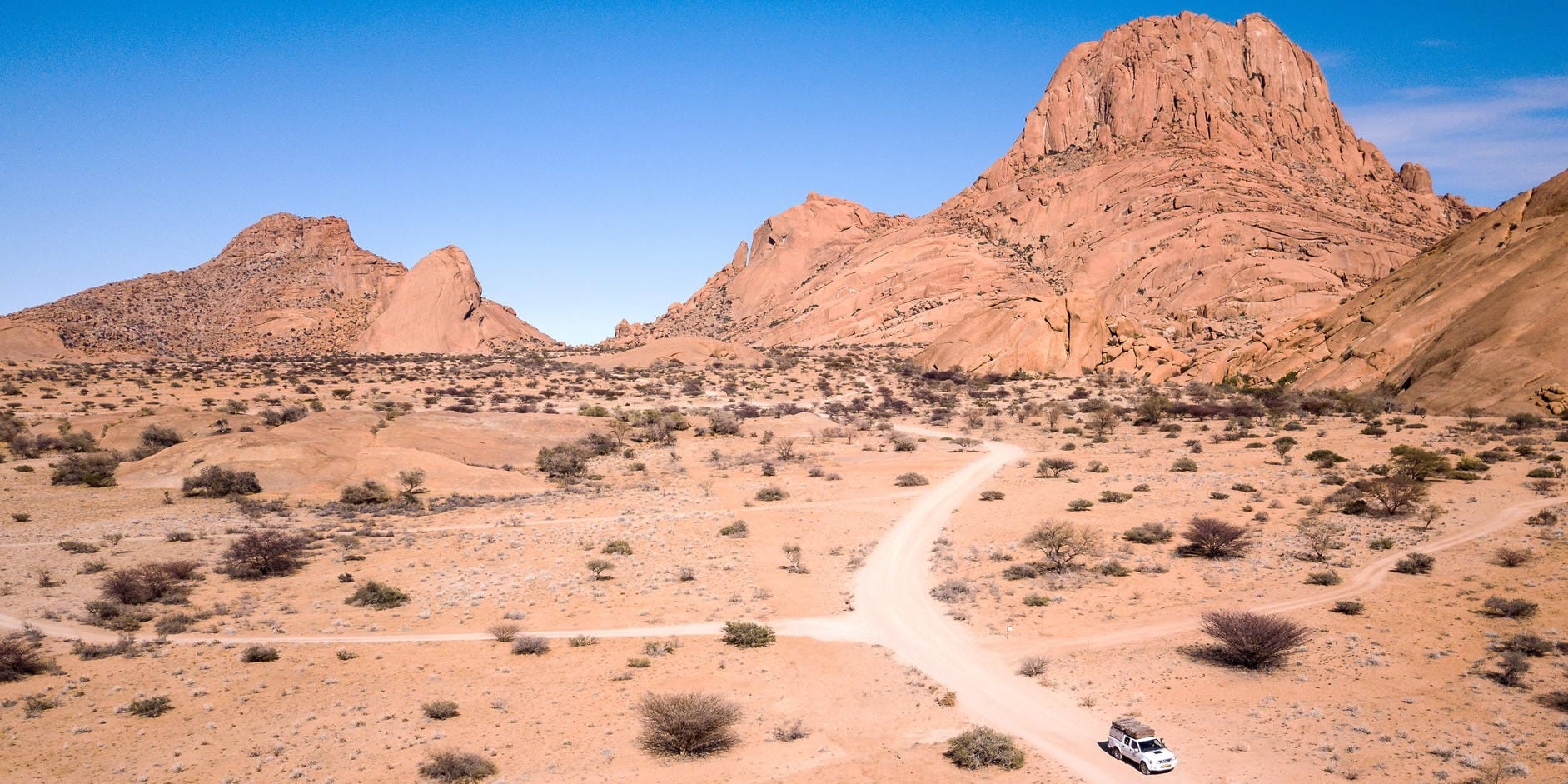
Expect warm days, mild nights and a shrinking chance of rain as the month goes on. The first week of March often still behaves like February; the last week frequently behaves like April.
Long-run temperature and rainfall series for Namibia are published on the World Bank Climate Change Knowledge Portal, which is the source worth checking if you want the full record rather than a seasonal norm.
Roads are the thing March actually decides. Late-season storms still soften gravel D-roads and can put water in a drift, but the frequency drops sharply through the month. By late March most of the classic circuit is behaving normally again. Our guides to Namibian road surfaces and whether you need a 4×4 cover what changes and what does not.
Namibia in March – Wildlife and Safari Experiences
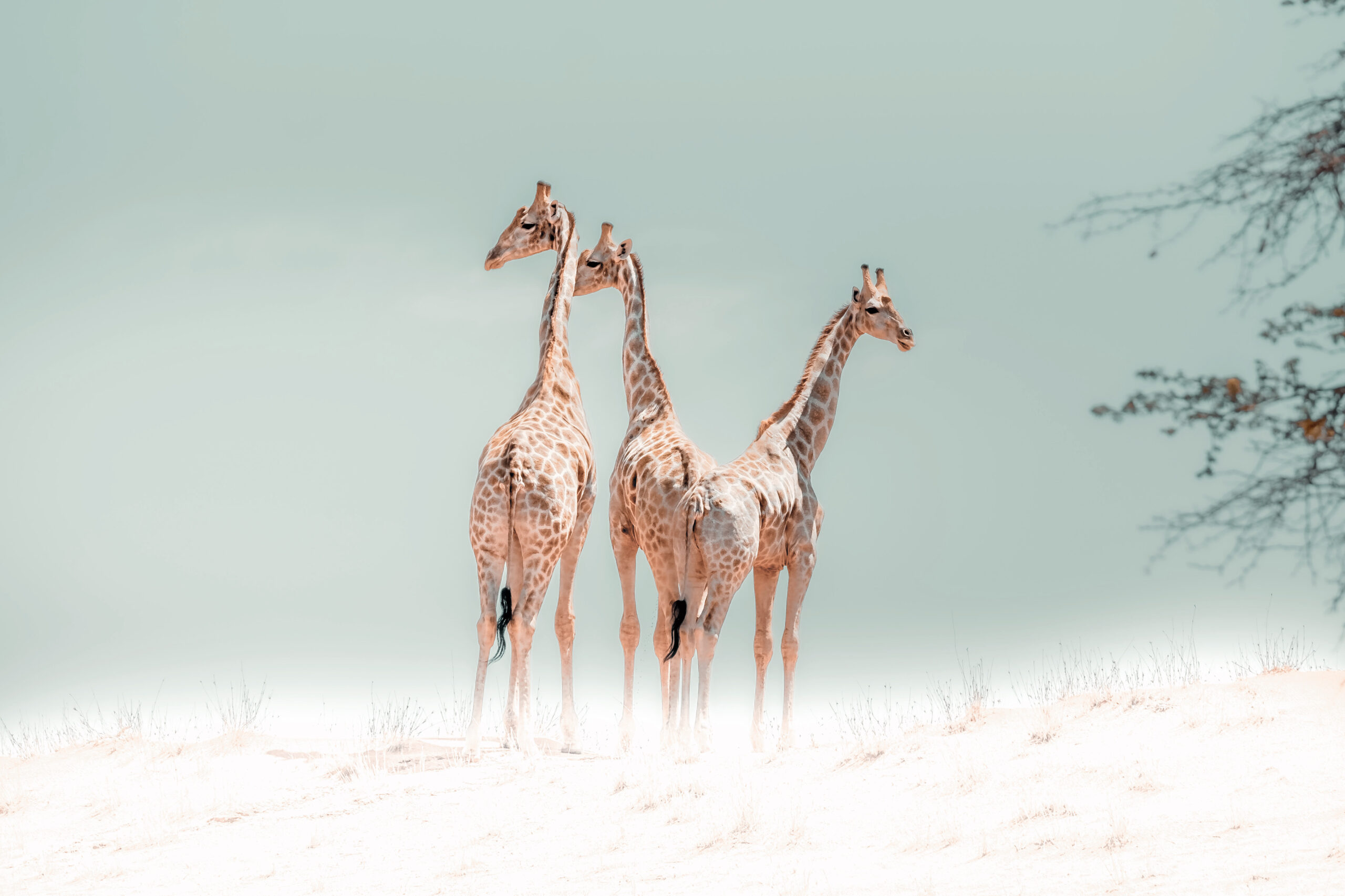
March wildlife is a study in contrasts: animals in the best condition they will be in all year, in the worst visibility conditions of the year.
Game viewing in Etosha National Park
Water is still widely available across the park, so game continues to disperse rather than concentrate at the permanent waterholes. Sightings are less predictable than in the dry months, but the animals you do find are fat, healthy and often accompanied by young born in January and February. The camps inside the gates are run by Namibia Wildlife Resorts and remain easy to book at short notice.
Birdwatching paradise
March is the last full month of the migrant season and arguably the best of it. Summer visitors are still present and in breeding plumage, resident species are still nesting, and the pans in the north can hold flamingo in the tens of thousands after a strong rainy season. If birds are the reason for the trip, March and February are the two months to choose between.
Wildlife beyond Etosha
The Kalahari is at its greenest, with plains game spread across grass that will be gone by July. Damaraland’s desert-adapted elephant move along ephemeral river courses that may still be running. The Zambezi is thick, wet and at its most productive for birds, and at its most difficult for driving.
Namibia in March – Best Regions to Visit
The Namib Desert
Sossusvlei in March is strictly a dawn destination. Thirty-six degrees by midday means the dunes are climbable for about two hours after sunrise. The reward is that the surrounding plains may still be green, which is the single most photographed contrast in the country and only exists for a few weeks a year.
The Skeleton Coast
Cool, foggy and almost unaffected by the rainy season. March on the Skeleton Coast looks much like September on the Skeleton Coast — the Benguela Current makes this the most seasonally stable part of Namibia.
Swakopmund and Walvis Bay
Twenty to twenty-four degrees, morning fog, and the domestic holiday crowd gone home. March is one of the better months to be in Swakopmund: mild, quiet, and a genuine relief after a week inland.
Central Highlands and Windhoek
The highlands are green and the storm cycle is winding down. Windhoek at 1,700 metres is comfortable throughout, and the surrounding hills hold their colour into April.
The Caprivi Strip
The wettest part of the country in the wettest part of the year. March in the Zambezi is lush, humid and excellent for birds, but tracks can be difficult and some are impassable. This is the one region where March genuinely constrains a self-drive itinerary.
Namibia in March – Costs, Crowds, and Comfort
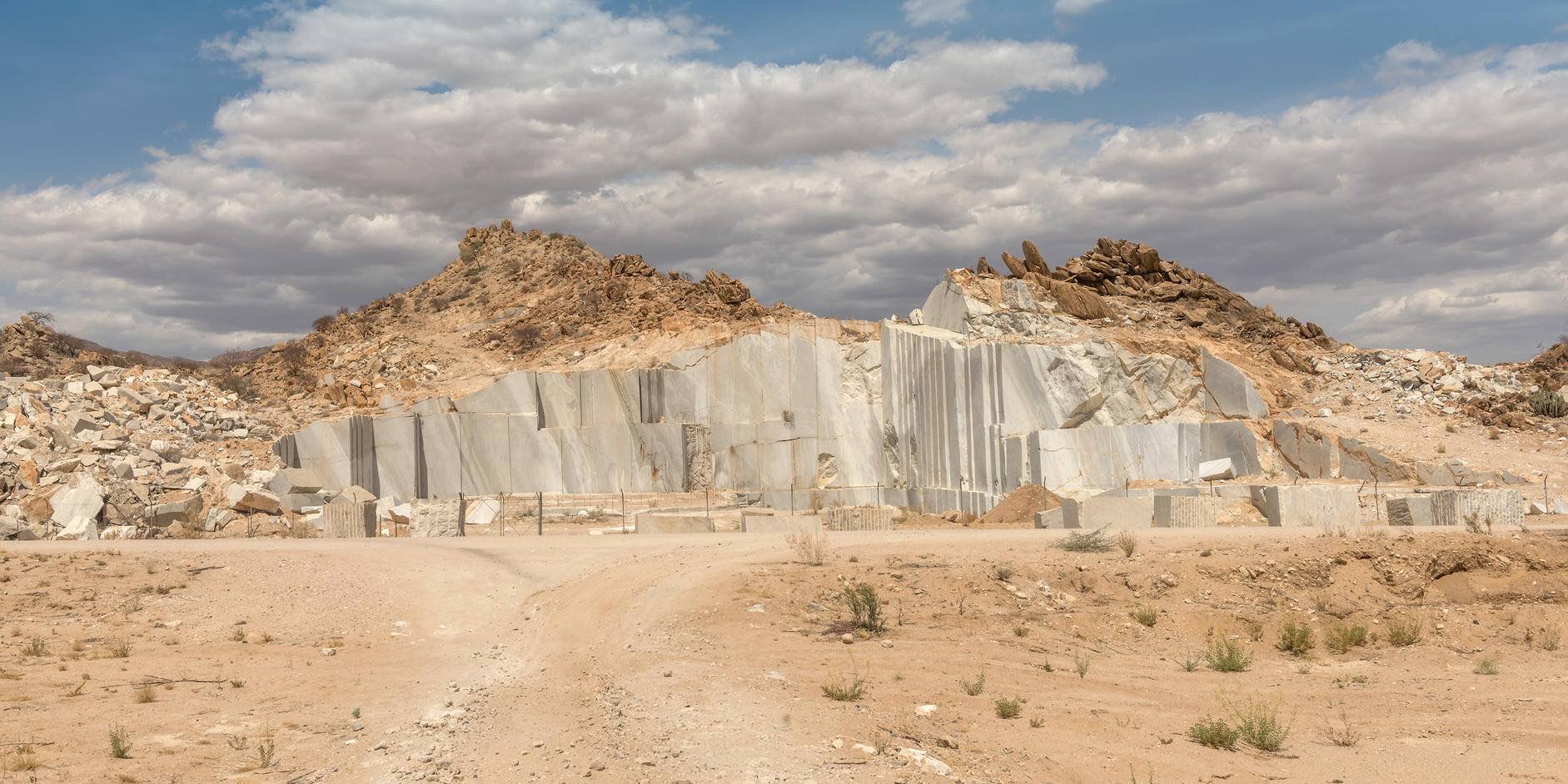
March is still low season almost everywhere, and that is the commercial argument for it. Lodge rates in March are typically well below the June-to-October peak, availability at short notice is realistic, and the major sites are quiet. Sossusvlei at sunrise in March is a different experience from Sossusvlei at sunrise in July, and not because of the light.
Rates begin to move from about mid-April as the dry season approaches, so March sits at the end of the cheap window rather than the beginning of the expensive one.
Namibia in March – Highlights and Lowlights
Highlights
- Green landscapes with clearing skies. The best of both halves of the year.
- Low-season rates. The last full month before prices climb.
- Peak birding. Migrants still present, residents still breeding.
- Very few people. Major sites are close to empty.
- Animals in top condition. Months of good grazing behind them.
Lowlights
- Game viewing is still dispersed. Water everywhere means animals nowhere in particular.
- Long grass and thick bush. Cover is at its highest of the year.
- The Zambezi can be difficult. Wet tracks, and some routes closed.
- Midday heat inland. Sossusvlei and the Kalahari still reach the mid-thirties.
- Mosquitoes in the north. Still within the seasonal malaria window.
Namibia in March – Festivals and Events
Independence Day falls on 21 March, and it is the one fixed date in the Namibian calendar that a March traveller will actually notice. Windhoek holds official ceremonies, towns across the country mark it locally, and it is a public holiday — so government offices, some banks and a number of smaller businesses close for the day.
The practical consequence for a self-drive trip is minor but real: plan fuel, cash and shopping around it rather than assuming a normal Saturday. Lodges and restaurants operate as usual.
Namibia in March – Activities to Try
- Photograph the green Namib. Red dune against green plain exists for about six weeks a year and this is one of them.
- Bird the northern pans. Etosha and the Zambezi at the tail of the migrant season.
- Walk in the Erongo or at Spitzkoppe. Cooler than the desert, green underfoot, and superb granite.
- Take the coast for a rest day. Swakopmund is twenty degrees cooler than Sesriem on the same afternoon.
- Night skies after the rain. Clearing March air over the Namib is exceptional for stargazing.
Packing Tips for Namibia in March
- Lightweight long-sleeved clothing — cooler in the sun and better against mosquitoes
- A light rain jacket; you will probably use it once or twice
- Insect repellent, particularly for the north
- A fleece for the coast and for early mornings in the highlands
- Closed shoes that cope with mud as well as dust
- High-SPF sunscreen, wide-brimmed hat, sunglasses, SPF lip balm
- Rehydration sachets — two to three litres of water a day inland
March still sits inside the seasonal transmission window, which runs November to June in Ohangwena, Omaheke, Omusati, Oshana, Oshikoto and Otjozondjupa, and year-round along the Kunene, Okavango and Zambezi rivers. Windhoek has no transmission and the classic Sossusvlei–Swakopmund–Damaraland circuit stays outside the risk regions. Take the geography to a travel clinic and let them prescribe.
Is March a Good Time to Visit Namibia?
Yes — for landscape, birds, photography, price and solitude. No, if your priority is dense waterhole game viewing, which belongs to June through October.
Put plainly: March is the best month in the Namibian year for travellers who care more about how the country looks than how many animals they count in a day. It is the last of the cheap months and the first of the clear ones, and that overlap is narrow.
To compare it directly with the rest of the year, our Namibia weather by month guide sets all twelve side by side. If you want a route that suits late-rainy-season conditions, the 14-day Namibia self-drive safari is the itinerary we would build from.
March is one of twelve, and the differences between them are larger than most visitors expect. Every month is covered in the same detail in our Namibia weather by month.
Frequently asked questions
Is March a good time to visit Namibia?
Yes, for green landscapes, excellent birding, dramatic clearing skies, low-season prices and very few other visitors. It is a poor month for classic waterhole game viewing, which runs June to October.
How hot is Namibia in March?
Interior days run 27–34°C, with Sossusvlei and the Kalahari reaching the mid-thirties. Nights fall to 15–21°C. The coast at Swakopmund stays at 20–24°C.
Does it rain a lot in Namibia in March?
Less than in February. Central Namibia averages roughly 60–80 mm and the Zambezi 100–140 mm, falling as afternoon storms every few days rather than daily. The coast gets almost none.
Is Etosha good in March?
For scenery, birds and animals in peak condition, yes. Game is still dispersed because water is widely available, so sightings are less predictable than in the dry season.
What happens on Namibian Independence Day?
Independence Day is 21 March and is a public holiday. There are official ceremonies in Windhoek and local commemorations countrywide; government offices, some banks and smaller businesses close. Lodges and restaurants run normally.
Is March cheaper than July in Namibia?
Generally yes. March is still low season at most lodges, while July sits in the peak. Rates typically begin climbing from mid-April onward.
Last verified August 2026. Temperature and rainfall figures are seasonal norms, not forecasts; any individual year will vary. Long-run climate data is published by the World Bank Climate Change Knowledge Portal.
Tell us your dates and we will tell you what the weather usually does on your route, and which lodges are worth booking early.