Namibia Self-Drive Safaris: The Ultimate African Road Adventure
A Namibia self-drive safari is the classic way to see the country: Sossusvlei, Swakopmund, Damaraland and Etosha, driven yourself over ten to fourteen days. A 2WD covers the standard circuit. Roads are good, distances are long, and you set the pace.
Namibia is the easiest country in Africa to drive yourself, and the reasons are practical rather than romantic. The road network is ranked first in Africa for quality. Crime against tourists is rare. Signage is clear, lodges are reachable year-round, and you can drive for an hour without meeting another vehicle. Most visitors who come here choose to self-drive, and almost none regret it.
What follows is the whole trip in order — where to start, what each region gives you, how long to spend, and the practical things that decide whether the driving feels relaxed or rushed.
Why Namibia Self-Drive Safaris Are so Popular
Namibia rewards independent travel in a way few African countries do. The Namibian Ports Authority set out the ranking in detail: Namibia scored 5.2 out of 7 in the World Economic Forum’s road quality index, first in Africa and 23rd in the world, ahead of China and Italy, for five consecutive years.
The practical upshot is that you do not need a convoy, a guide or a permit to see the country’s headline sights. You need a car, a route, and an honest sense of how long each day takes.
You will read everywhere — including in earlier versions of this page — that you should take a 4×4 “even if you don’t plan to go off-road”. That is not our advice. For the standard circuit a 2WD is enough, and the money is better spent on an extra night than on a vehicle you will not use. The full route-by-route answer is in our guide to whether you need a 4×4 in Namibia.
The Advantages of Namibia Self-Drive Safaris
Driving yourself gives you control over the two things that matter most on a trip like this: where you stop, and how long you stay there.
- Complete flexibility to change your route or your timing as you go
- Considerably cheaper than a guided trip, because you are not paying for a guide and a vehicle each day
- Access to small lodges and campsites that tour buses never reach
- Time at waterholes and viewpoints on your schedule rather than a group’s
- 24-hour breakdown support, so independence does not mean being on your own
- Vehicles specified for local conditions, with spare wheels, safety kit and often camping equipment
Before you drive away you get a full briefing: road classes, fuel gaps, tyre changes, wildlife on the road, and the numbers to call. Vehicles come with spare tyres, a jack, a cool box and detailed maps.
What the Roads Are actually Like
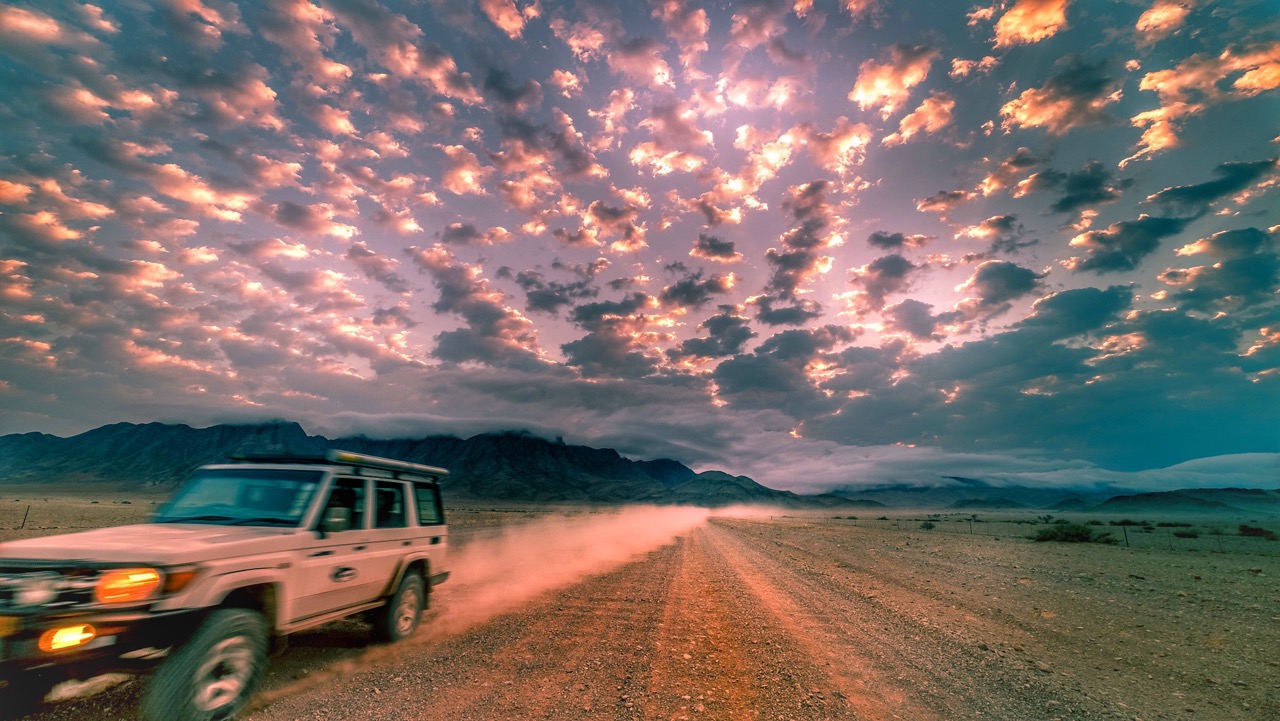
About 14.5% of Namibia’s 48,900 km road network is tarred. The rest is gravel, graded earth and a short stretch of salt road along the coast. Roads are lettered by surface: B is tar, C is regularly graded gravel and carries most tourist routes, D is maintained infrequently, and F is an unformed track no rental car should be on.
| Class | Surface | Sensible speed |
|---|---|---|
| B | Tar, well signposted | 100 – 110 km/h |
| C | Graded gravel, most of your trip | 60 – 80 km/h |
| D | Gravel or sand, variable | 30 – 50 km/h |
| Salt | Coast road, slippery in fog | 40 – 60 km/h |
The honest risk on a Namibian road trip is not crime or breakdown — it is speed on loose gravel. We set out the surfaces, the real speeds and the rollover data in what Namibian roads are actually like. Read it before you book, not after.
Starting Your Namibia Self-Drive Safari in Windhoek
Almost every trip starts in Windhoek. It is a compact, easy capital and a gentle first night after a long flight. Collect the vehicle, do the briefing, sleep, and leave in the morning — not the same afternoon.
The classic first leg runs southwest to Sossusvlei, about 340 km through mountain passes and open plains. On paper that is four hours. On gravel with stops it is closer to six, which is the single most useful thing to know about planning a Namibian itinerary.
Exploring the Sand Dunes at Sossusvlei
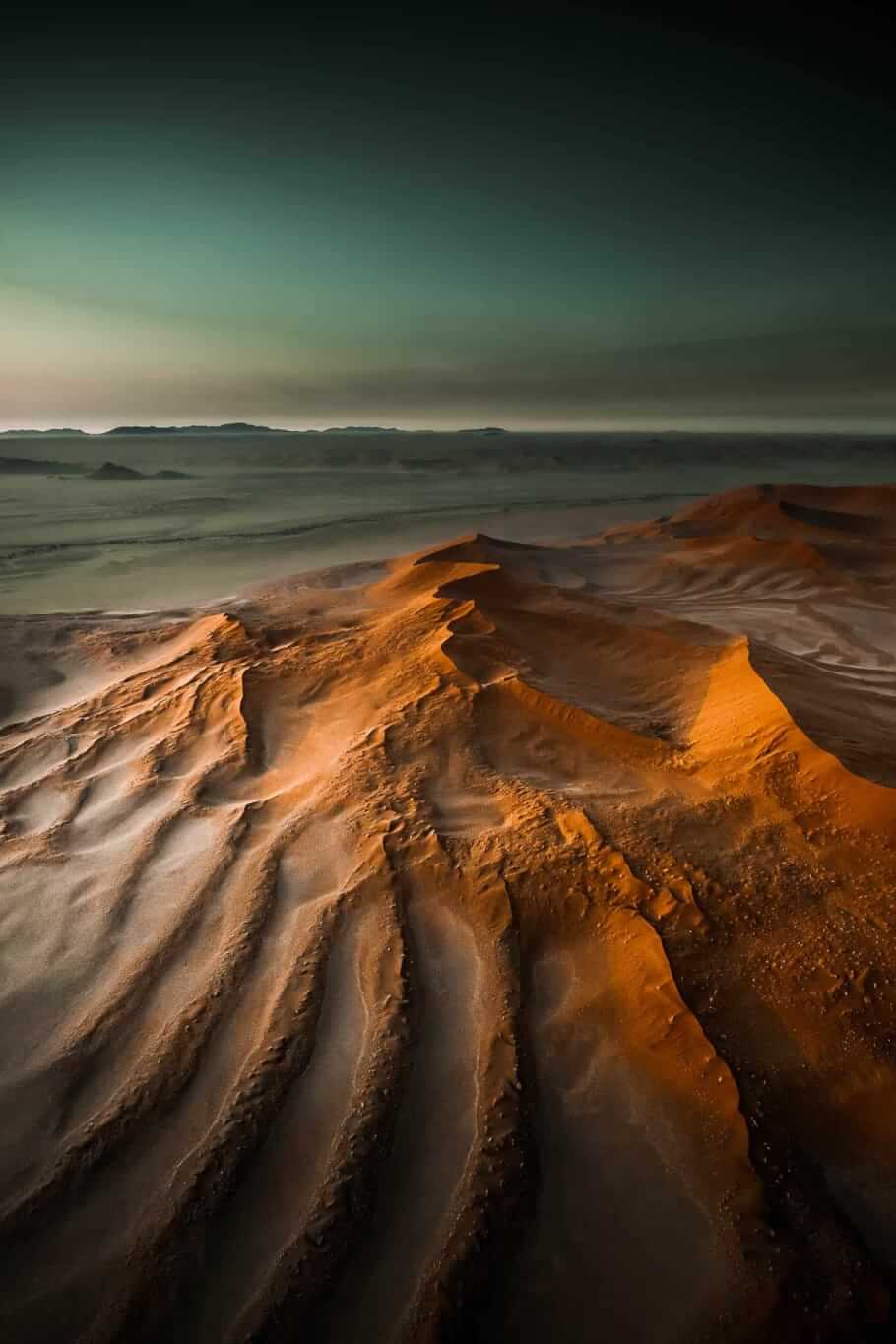
Sossusvlei sits in the Namib-Naukluft National Park, the oldest desert on earth. Give it two nights in the Sesriem area rather than one: the dunes only look the way they do in photographs for about ninety minutes after the gate opens, and one night means arriving tired and leaving before the light.
Climb Dune 45 at sunrise, then continue to Deadvlei, the white clay pan ringed by dunes and studded with blackened camelthorn trees that died some 700 years ago and never rotted.
Private vehicles now stop at the 2×4 car park. The last stretch to the pans is by official shuttle or authorised operator vehicle only, at N$260 per adult and N$130 per child from January 2026. Budget an extra 45 to 60 minutes at the Sesriem end of the morning, and expect a queue at sunrise.
Stay at a small lodge like Hoodia Desert Lodge for something personal, or at Kulala Desert Lodge, where you can sleep on the roof under the clearest sky most visitors have ever seen.
Discovering Swakopmund on Your Self-Drive Safari
From Sossusvlei it is four to six hours north to Swakopmund, a seaside town wedged between the Atlantic and the dunes. Stop at Solitaire on the way for the apple pie, which is not a joke — it is genuinely the landmark of that road.
Swakopmund is where the trip changes temperature. It is Namibia’s adventure capital: sandboarding, quad biking and skydiving over the dunes, or a living desert tour for the geckos, snakes and spiders that survive out there. Kayaking with the Cape fur seals at Pelican Point is the one most people remember.
Seeing Desert Elephants in Damaraland
Inland from the coast, Damaraland is red rock, dry riverbeds and enormous silence. It is home to Namibia’s desert-adapted elephants and black rhino, animals that have learned to live where there is almost no surface water.
Visit Twyfelfontein, a UNESCO World Heritage Site with thousands of engravings cut by San hunters more than 2,000 years ago. Two nights here is the minimum, because the elephant and rhino tracking are full mornings rather than stops. Camp Kipwe and Damaraland Camp both work well.
Wildlife Encounters in Etosha National Park
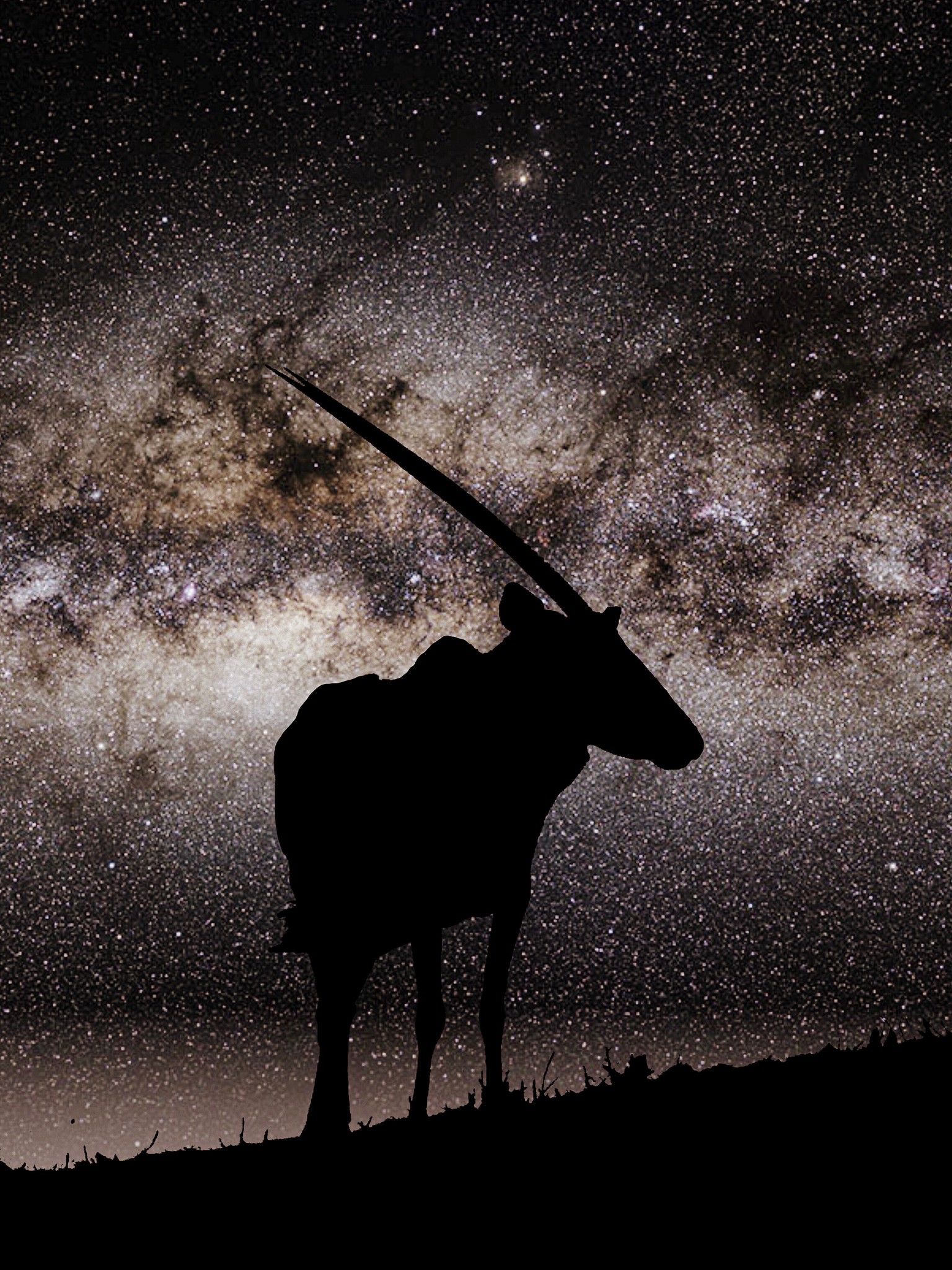
From Damaraland it is northeast to Etosha National Park, one of the great wildlife areas of Africa: a vast salt pan ringed by waterholes that pull animals in from miles around. Elephant, lion, leopard, cheetah, zebra, giraffe, over 100 mammal species and more than 300 birds.
Etosha is fully self-drive — no guide, no permit, no 4×4 required. The park’s rest camps are run by Namibia Wildlife Resorts, and their Etosha camp listings cover Okaukuejo, Halali, Namutoni, Dolomite, Onkoshi and Olifantsrus. Okaukuejo’s floodlit waterhole is the reason to stay inside the park rather than outside the gate.
Two nights is the minimum and three is better. Gates open at 06:00 and close between 18:00 and 19:30 depending on the month, and you must be inside a camp before they do.
Tracking Leopards in the Central Highlands
South of Etosha, Okonjima Nature Reserve and the AfriCat Foundation make a natural last stop before Windhoek. AfriCat works on leopard and cheetah conservation and on helping farmers and predators coexist, and guided tracking drives here are among the most reliable big-cat sightings in the country.
Practical Tips for Namibia Self-Drive Safaris
- Travel May to October for dry roads and concentrated wildlife. January to March is green, dramatic and occasionally muddy — build in a spare day.
- A 2WD is enough for the standard circuit. Take a 4×4 if your route includes D-roads after rain or the far northwest.
- Fill up whenever you can. Gaps of 200 km between stations are normal on the C and D network.
- Never drive at night. Kudu and warthog move at dusk and fencing is inconsistent.
- Plan five hours, not four, for any 340 km leg. Mapping apps assume tar.
- Carry water and a first-aid kit, and know where the spare wheel and jack are before you leave the depot.
If you are still deciding how much time the whole circuit needs, we answer that separately in how many days you need in Namibia — the short version is ten as a working minimum, fourteen to do it comfortably.
Why You’ll love Namibia Self-Drive Safaris
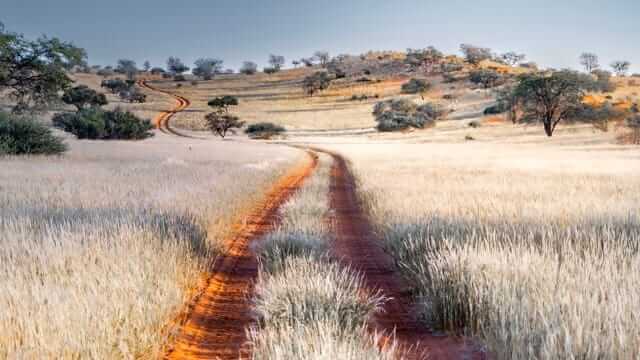
Namibia gives you the rare combination of genuine wilderness and genuine ease. The dunes at Sossusvlei, the seal colonies of the coast, the elephants of Damaraland and the waterholes of Etosha are all reachable in an ordinary car on good roads, at whatever pace you choose.
Whether it is your first trip to Africa or your tenth, a Namibia self-drive safari remains the most complete way to see the country. Our self-drive itineraries are laid out by length, so the simplest way to start is to find the one closest to the time you have.
Frequently asked questions
Do you need a 4×4 for a Namibia self-drive safari?
No, not for the standard circuit. Sossusvlei, Swakopmund, Damaraland and Etosha are all reachable in a 2WD on tar and graded gravel. A 4×4 is worth having for D-roads after rain or remote northwestern routes.
How long should a Namibia self-drive safari be?
Ten days is the working minimum for the classic circuit and fourteen is comfortable. Seven days covers roughly half the country without rushing.
Is it safe to self-drive in Namibia?
Yes. Namibia is ranked first in Africa for road quality and crime against tourists is rare. The real risk is speed on loose gravel — rollovers accounted for 34% of the country’s road injuries and fatalities in 2020 — so keep to 60 to 80 km/h on gravel and never drive at night.
When is the best time for a Namibia self-drive safari?
May to October, the dry season, when roads are predictable and wildlife concentrates at waterholes. The green season from January to March is quieter and more dramatic but can soften the D-roads.
Where does a Namibia self-drive safari usually start?
Windhoek. Spend the first night there, collect the vehicle and do the briefing, then leave the next morning rather than starting a five-hour gravel drive in the afternoon.
Can you drive yourself in Etosha National Park?
Yes. Etosha is fully self-drive with no guide or permit required and an ordinary 2WD is sufficient. You must be inside a rest camp before the gates close, between 18:00 and 19:30 depending on the month.
Last verified August 2026. The Sossusvlei shuttle rule changed on 15 December 2025 and park fees rose on 1 April 2026 — both are checked quarterly. Road and speed guidance is what we give clients at vehicle handover.
Tell us how many days you have and what you most want to see, and we will tell you honestly whether a self-drive suits you — including when it does not.