How Namibia’s wildlife survives the desert
Namibia’s desert species survive on fog, distance and patience. Beetles drink from sea mist, oryx let their body temperature climb rather than sweat, welwitschia plants live for centuries on two leaves, and lions walk to the beach for seals.
The Namib gets almost no rain. What it gets instead is fog, rolling inland off a cold Atlantic most mornings, and nearly everything alive out there is organised around collecting it or around needing very little of it. Once you understand that, the strangeness of Namibian wildlife stops looking like trivia and starts looking like a single coherent answer to one hard problem.
Fog is the water
The Benguela current chills the air over the sea, and the fog it produces reaches tens of kilometres inland. Darkling beetles climb a dune face at dawn and stand head-down into the wind so condensation runs to their mouthparts. Plants angle their leaves to shed it toward their roots. Lizards drink it off their own skin. In a landscape with no rivers, an animal that can harvest fog is an animal that can live where nothing else does.
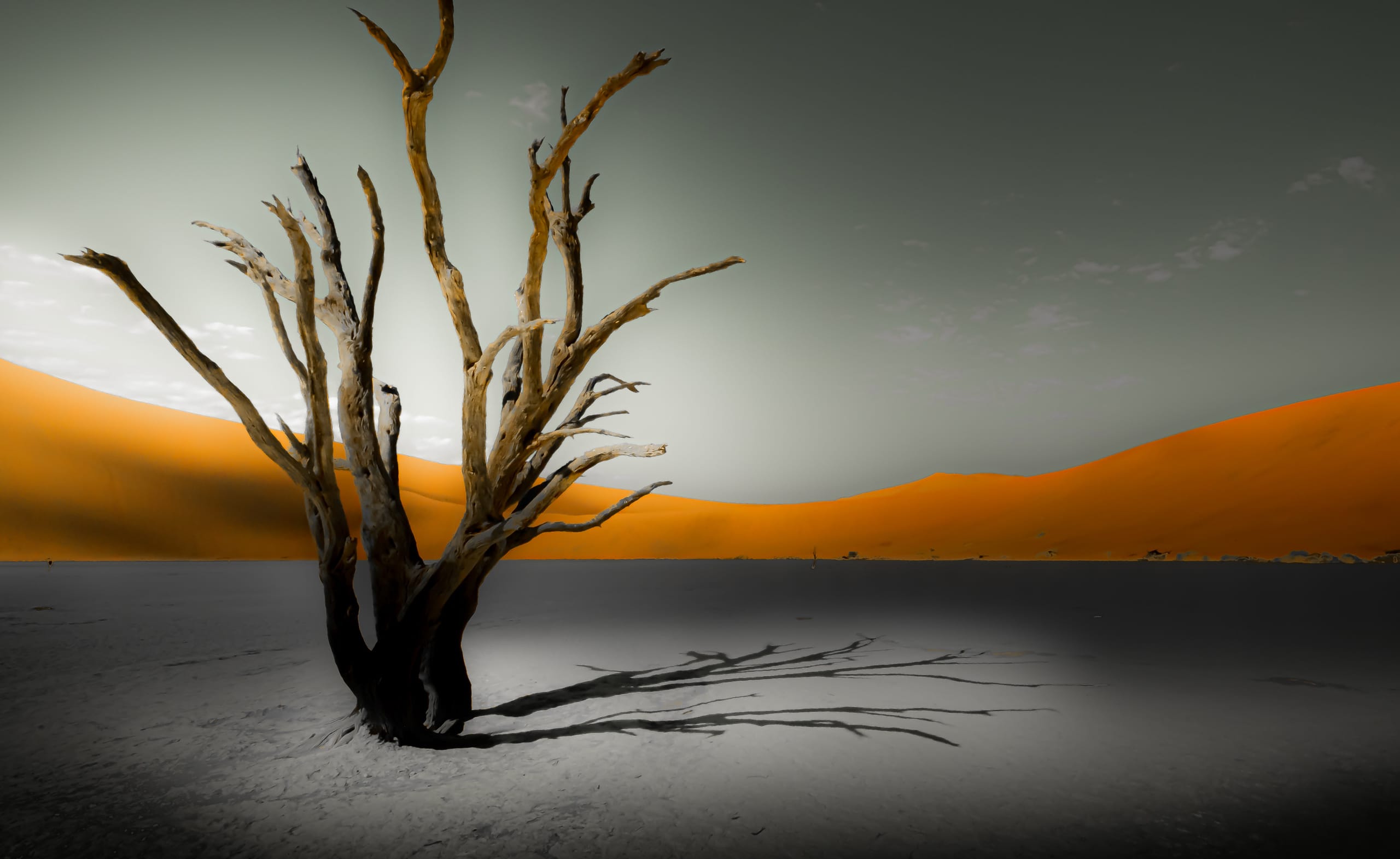
The ones worth going out of your way for
The desert lions are the most extreme case. Roughly 100 to 110 animals survive in the north-west, and the Desert Lion Conservation Trust tracks them along the Hoanib, Barab, Obab and Ugab. Some prides hunt seals on the Skeleton Coast shoreline and drag kills up to three kilometres inland. No other lions do this, and the behaviour is learned rather than inherited, which means it can be lost from a river system when the animals that knew it die.
- Welwitschia mirabilis on the plains near Swakopmund. Individually unremarkable to look at and among the oldest living things you will ever stand next to.
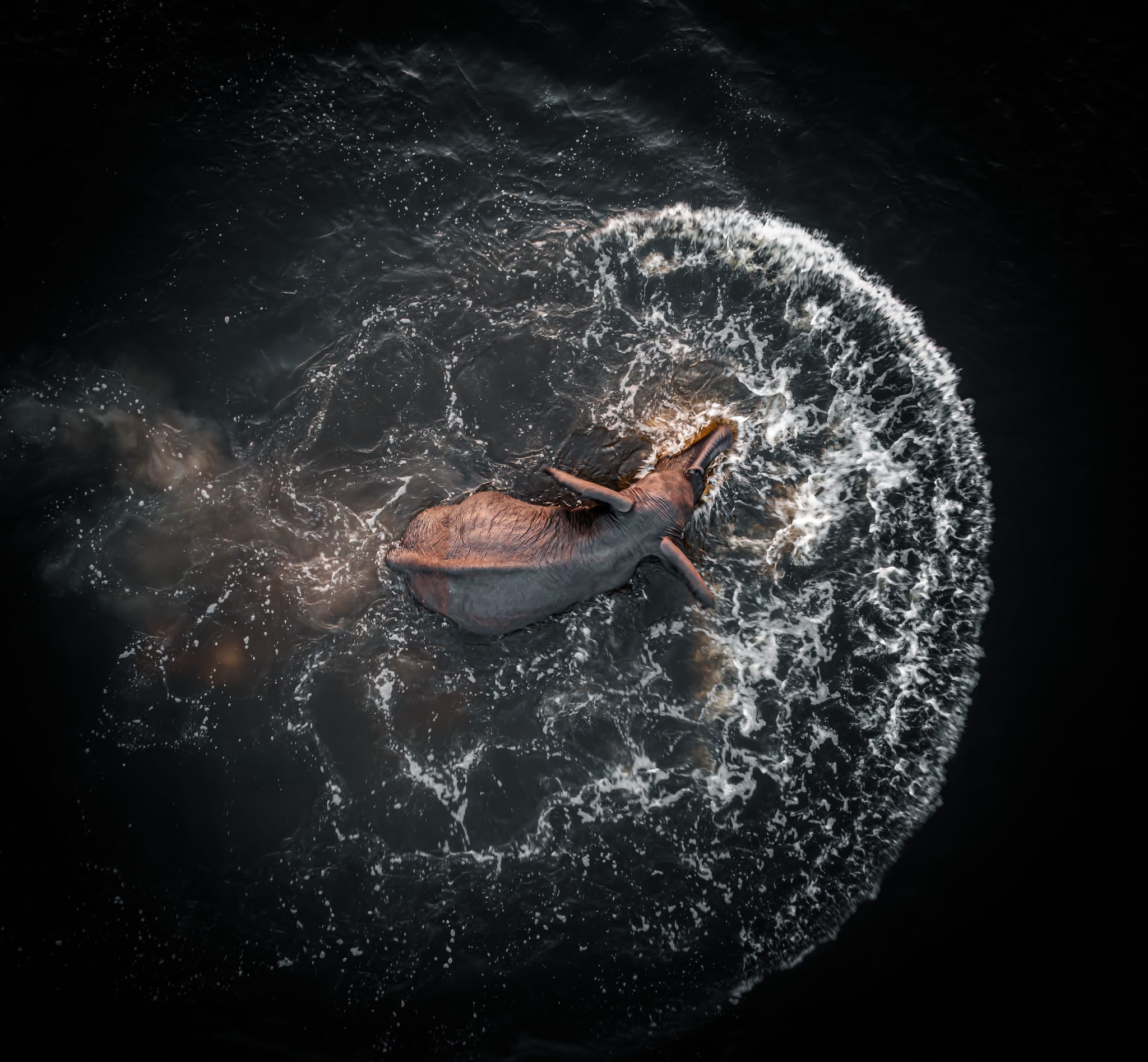
- Desert elephant in Damaraland, moving between riverbeds on a schedule measured in weeks.
- Oryx anywhere. The most ordinary animal in Namibia and the best adapted.
- Meerkats, which handle the heat by taking turns to be the one standing in it.
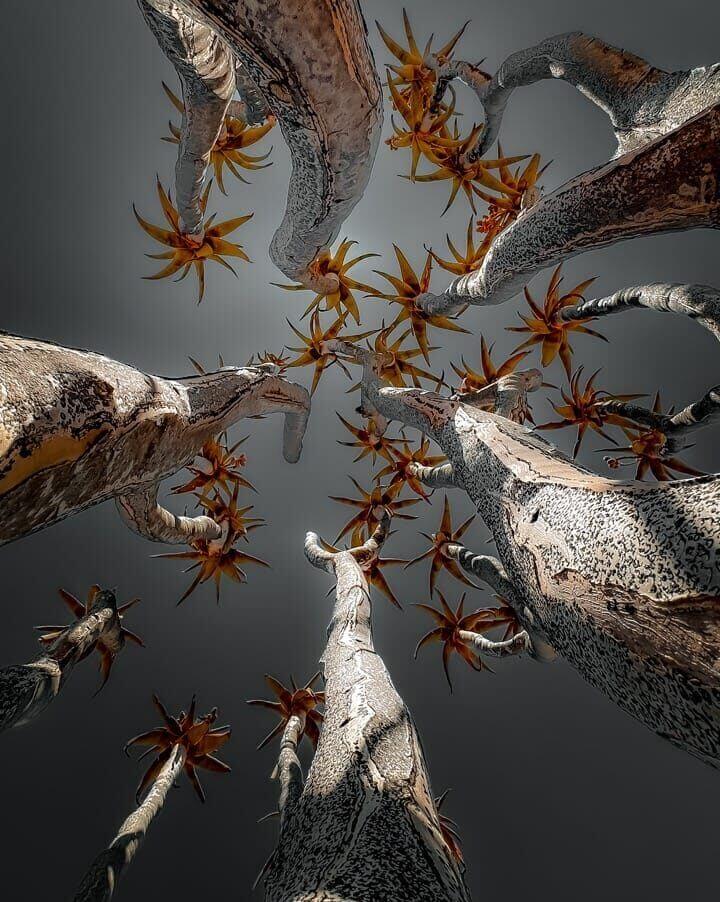
Almost none of this is visible at midday. Fog burns off by mid-morning, the beetles are gone, and the mammals are lying up in whatever shade exists. The adapted desert is an early-morning and late-afternoon country.
Where and when to see any of this is covered in is Namibia good for safaris and in more depth for the lions in the desert-adapted lions of Namibia. The northern route that reaches most of it is our 16-day exclusive northern Namibia safari.
Do not approach desert elephants in a vehicle the way you would in Etosha. They are habituated to very little and they range across unfenced communal land where people live. Give them room and let them decide the distance.
Frequently asked questions
How do animals survive in the Namib Desert?
Mostly on fog rather than rain. Beetles harvest it directly, plants channel it to their roots, and larger animals get water from food and travel long distances between sources.
What is a fog-basking beetle?
A darkling beetle that climbs a dune crest at dawn and stands head-down into the wind so condensed fog runs down its body to its mouth.
How do oryx survive without water?
They allow their body temperature to rise rather than losing water through sweating, and cool the blood supplying the brain instead.
What is welwitschia?
A desert plant that produces only two leaves in its lifetime and grows continuously for centuries, living on fog and deep groundwater.
Are desert elephants a separate species?
No. They are African elephants whose behaviour has adapted to arid conditions, travelling much further between water sources than elephants elsewhere.
When is the best time to see desert-adapted wildlife?
Early morning and late afternoon. Fog burns off by mid-morning and most mammals are lying up in shade through the middle of the day.
The lion figures come from the conservation trust that studies them. The rest is what a good Namibian guide will show you if you are out at the right hour.