What is the weather like during July in Namibia
July is Namibia’s coldest month and its best for wildlife. Expect 19–28°C by day, −2°C to 12°C at night and no rain at all. Game concentrates at permanent waterholes; prices and crowds are at their peak.
What is the weather like during July in Namibia
July is the coldest month of the Namibian year and the best month for wildlife. Days are mild and cloudless — roughly 20°C to 23°C on the central plateau — and nights are genuinely cold, falling to between 5°C and 8°C in Windhoek and below freezing in the Kalahari and the Namib.
There is no rain. There is almost no cloud. Every scrap of surface water left over from summer has gone, which forces game onto the permanent waterholes and makes July the month when Namibian safaris look like the photographs.
Namibia in July – Weather Overview
Dry, clear, cold at dawn and mild by mid-morning. Humidity inland sits at its annual low of about 32%, which is why 22°C in July feels warmer than 22°C anywhere humid, and why 5°C at dawn feels sharper than the number suggests.
Temperatures in Namibia in July
A June day in Windhoek runs from about 7°C at dawn to 24°C by mid-afternoon. July shaves a degree or two off both ends. The swing — not the maximum — is what you plan around.
The Kalahari and the Namib regularly drop below zero on clear July nights. An open game-drive vehicle at 06:00 with wind chill is the coldest most visitors will be on the whole trip. Bring a real jacket, a hat and gloves.
Namibia in July – Why It’s a Fantastic Time to Visit
Four things line up in July and only in July. Game is concentrated on permanent water, so sightings are reliable rather than lucky. The weather is entirely predictable — you can plan a two-week itinerary without a rain contingency. Insects are largely absent, and malaria risk on the classic circuit is effectively nil. And the low winter sun holds usable photographic light for hours instead of minutes.
The price of all four is the obvious one: this is peak season, it costs more, and you are not the only person who worked it out.
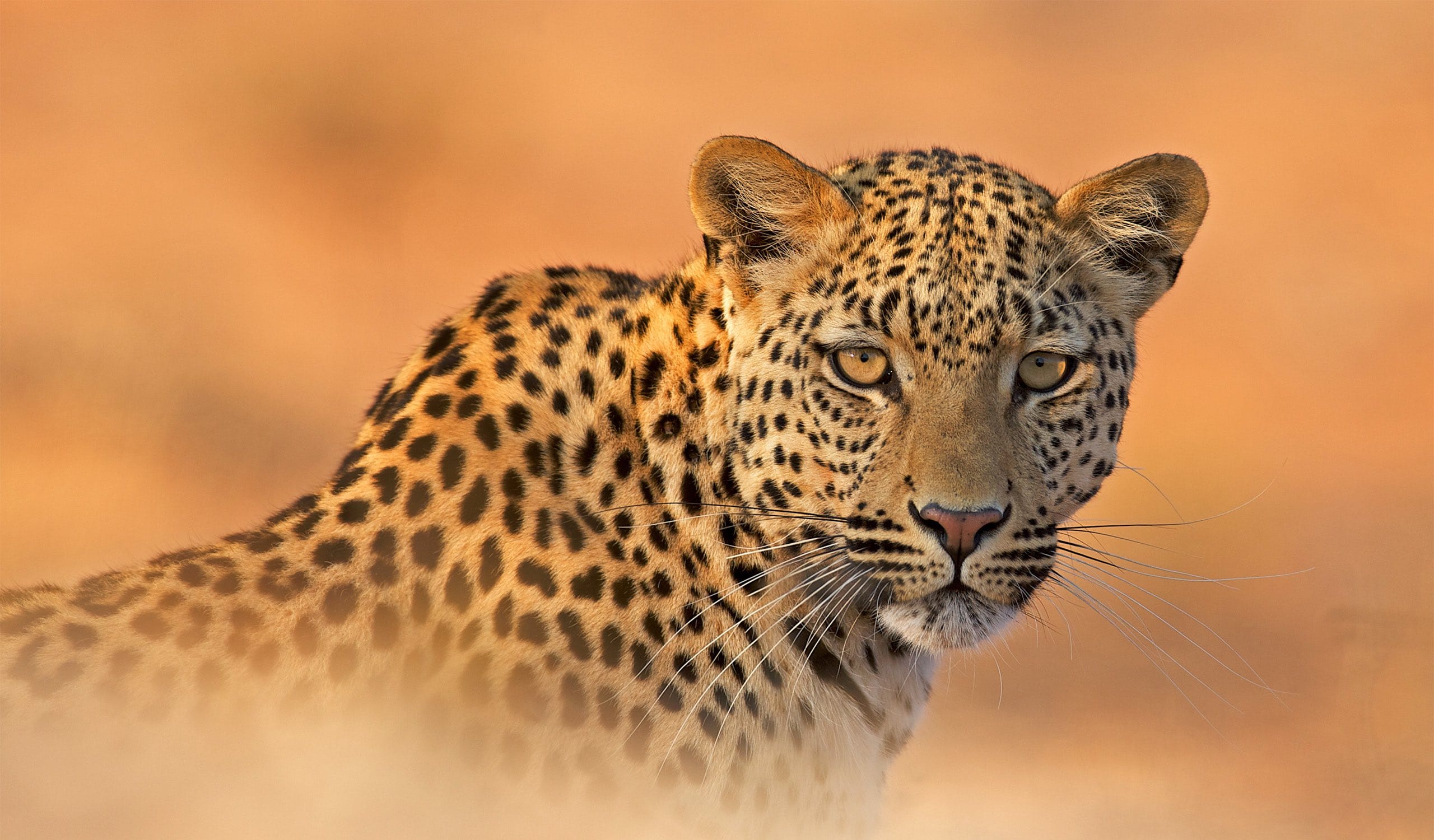
Namibia in July – Wildlife and Safari Experiences
Etosha National Park: Peak Dry-Season Drama
This is what Etosha is for. Ephemeral pans are bone dry, so every animal in the park has to visit a permanent waterhole, and the waterholes along the southern pan edge become the whole show. Sit at Okaukuejo, Halali or Namutoni and let it come to you: elephant herds, hundreds of zebra and springbok, oryx, giraffe, kudu, and the predators that follow them. Black rhino at Okaukuejo after dark is close to a scheduled event in July. Short grass gives sightlines across the pan edge that simply do not exist in March. Camps are run by Namibia Wildlife Resorts and July sells out months ahead.
Damaraland and the Namib: Desert-Adapted Rarities
Desert-adapted elephant are at their most findable, settled into the Huab, Hoanib and Ugab river courses now that nothing is running. Desert-adapted black rhino tracking out of the Palmwag concession is a July-and-August activity for good reason — cool walking weather and clear tracks. Brown hyena, oryx and springbok on the gravel plains complete a set of animals you will not see anywhere else.
Zambezi/Caprivi: Water and Birds in a Lush Corner
The exception to the dry country. Floodwaters from Angola have receded from their April peak but the permanent channels remain, so the Zambezi stays green and water-based while the rest of Namibia is bare. Boat trips on the Kwando and Chobe, hippo, crocodile, elephant crossing between Namibia and Botswana, and the best birding available anywhere in the country in July — which is still not saying much by February standards.
The Coast: Seals, Dolphins… and Whales
Cape Cross holds tens of thousands of Cape fur seals year-round. Walvis Bay lagoon has resident flamingo and pelican, and dolphin trips out of the bay run through the winter. July also sits inside the southern right and humpback whale season along the Namibian coast, which runs broadly from June to November — sightings are far less reliable than off South Africa, so treat a whale as a bonus rather than a plan.

Namibia in July – Best Regions and Routes
The Namib Desert and Sossusvlei
Cold at the gate and perfect by eight. The low July sun keeps long shadows across the dune faces well into the morning, so the photographic window is hours rather than the twenty minutes you get in December. Deadvlei’s white clay against orange dune and blue sky is at its most saturated in the dry winter air.
Skeleton Coast and Swakopmund
Mild, foggy and quiet. In July the coast is warmer at night than the interior — an inversion of the usual relationship that catches people out when they plan their packing. Swakopmund is at its emptiest, which for a rest day is an argument in its favour.
Damaraland’s Rock Art and Ridges
Twyfelfontein’s engravings and the Brandberg’s White Lady are hot, exposed walks for most of the year. In July they are pleasant. This is the month to do the walking-heavy parts of a Namibian itinerary.
Fish River Canyon and the South
The canyon hiking trail is open — the season runs 1 May to mid-September — and July sits in the middle of it. Rim temperatures are mild; the canyon floor is colder at night than the rim. Permits are required and numbers are capped, so this is not a decision to make on the day.
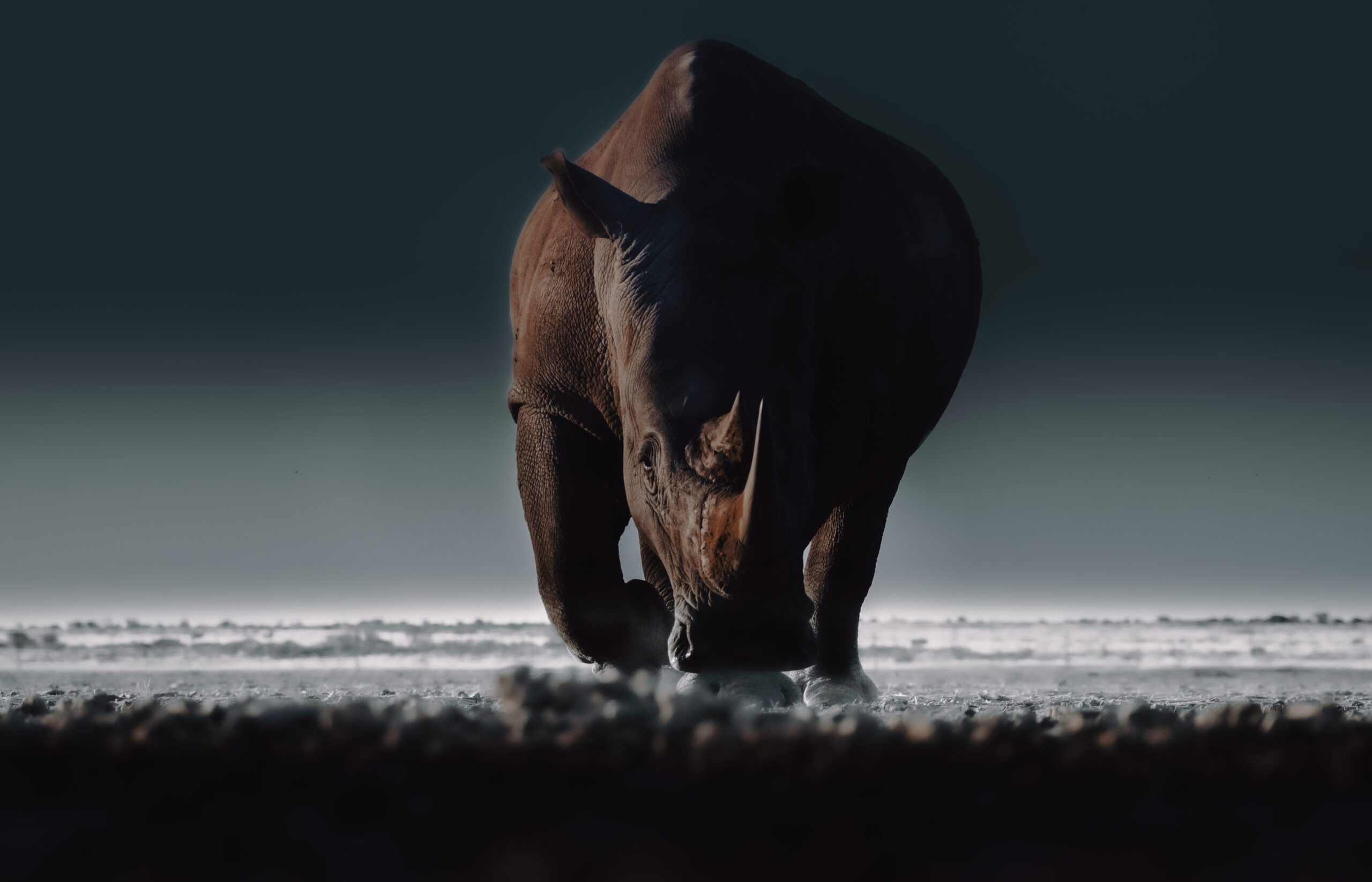
Namibia in July – Crowds, Costs, and Comfort
July is the most expensive and most heavily booked month of the Namibian year, and there is no way to write around that. Lodges are on peak rates, Etosha’s park camps fill months in advance, and the popular Sossusvlei lodges book out further ahead than anything else in the country.
Comfort, though, is the highest of the year: mild days, no rain, no insects, no humidity. If your holiday dates are fixed by school terms, July is what you have and it is a good hand to be dealt. If your dates are flexible, the last week of June or the first week of September buy you most of July’s wildlife at noticeably less cost.
Six months for Etosha park camps and the well-known Sossusvlei lodges. Three to four months for most else. Two weeks before departure, you will be taking what is left rather than what you wanted.
Namibia in July – Highlights and Lowlights
Highlights
- The best game viewing of the year. Animals concentrated on permanent water.
- Completely predictable weather. No rain contingency needed anywhere.
- No mosquitoes to speak of, and negligible malaria risk on the classic circuit.
- Long photographic light. The low winter sun works for hours, not minutes.
- Comfortable walking weather. Rock art, canyons and dunes are all pleasant now.
Lowlights
- Freezing dawns. Below zero in the Kalahari and the Namib is routine.
- Peak prices. The most expensive month of the year.
- Crowds at the famous places. Sossusvlei and Etosha’s main camps are busy.
- Book far ahead or miss out. Six months for the popular camps.
- The landscape is bare. Gold, grey and dust — no green anywhere south of the Zambezi.
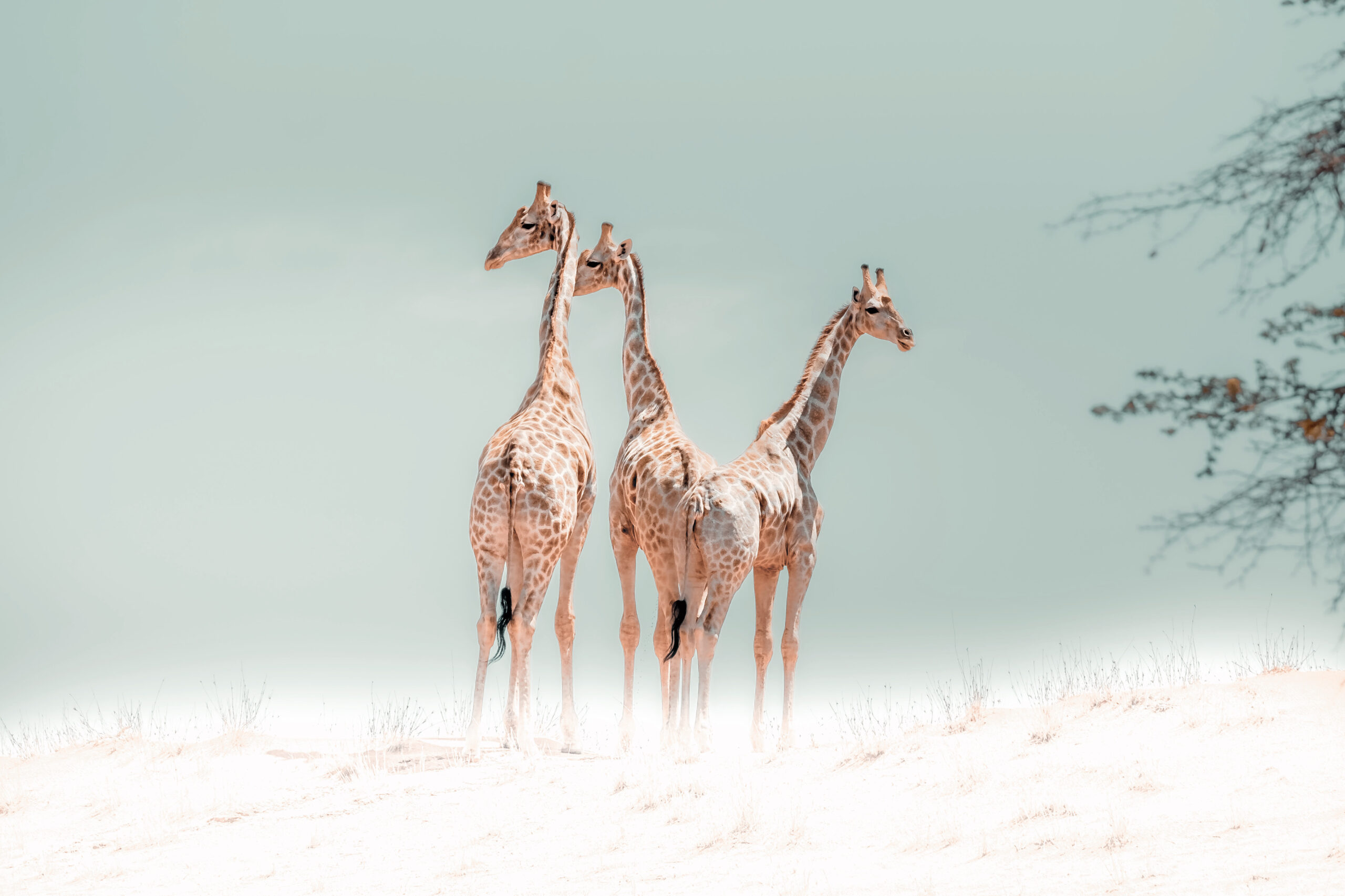
Namibia in July – Activities You’ll Love
- Waterhole vigils. Okaukuejo after dark is the single best wildlife hour in the country.
- Rhino tracking on foot. Palmwag and the Damaraland concessions, at the right temperature for walking.
- Hike the Fish River Canyon. Mid-season, permits required.
- Climb Big Daddy at sunrise. Cold at the start, perfect within the hour.
- Stargaze. Long nights, no cloud, no moisture — the Namib is one of the darkest skies on earth.
- Boat the Zambezi. The one green corner of the country in July.
Namibia in July – What to Wear and Pack
Pack for a desert winter, not for Africa. This is the single most common July mistake and it costs people the best hour of every day.
- An insulated jacket — down or synthetic, not a fleece on its own
- Warm hat and gloves; you will use both on every dawn drive
- Layers to shed by nine: fleece, long sleeves, short sleeves underneath
- Long trousers for the evening; shorts for the middle of the day
- High-SPF sunscreen, wide-brimmed hat, sunglasses, SPF lip balm — winter sun at altitude burns
- Heavy moisturiser and lip balm; July air is the driest of the year
- Closed walking shoes, and something warm for the evening around a fire
Namibia in July – Etosha vs. Everything Else
If your trip is short and July is your month, weight it toward Etosha. The dry-season advantage is larger there than anywhere else in the country — the difference between Etosha in March and Etosha in July is a different holiday, whereas Sossusvlei in March and Sossusvlei in July are the same dunes in slightly different light.
Namibia in July – Festivals and Local Color
There is no national public holiday in July, so domestic travel patterns do not affect availability — the crowds are international, not local.
What July does have is the winter events season: agricultural and trade shows in the larger towns, and community festivals timed for the cool weather. Windhoek’s cultural calendar is busier in winter than in summer for the same reason everything else is — it is simply more comfortable to be outside.
Namibia in July – Sample 10-Day Route
A workable July itinerary that avoids the two classic mistakes: too many one-night stops, and driving days sized on the map rather than the surface.
If you have fourteen days rather than ten, the extra nights belong in Etosha and Damaraland, not spread thinner. Our 14-day Namibia self-drive safari is built that way.
Is Namibia in July a Good Time to Visit?
Yes — it is the best month for wildlife and the most reliable month for weather. The only reasons to choose another month are price, crowds, cold, or a specific interest in birds or green landscapes.
If you are coming to Namibia once and want the highest chance of the safari you pictured, come in July and pack properly.
Quick Facts for Namibia in July
Booking Tips for High Season
- Book Etosha park camps first. They constrain everything else and they go earliest.
- Two nights per region, minimum. One-night stops waste July’s best asset, which is time at a waterhole.
- Consider late June or early September. Most of the wildlife advantage, materially less money.
- Size driving days on the surface, not the map. A 340 km gravel leg is five hours, not three — see our guide to Namibian roads.
- Do not over-specify the vehicle. The classic July circuit does not need a 4×4; our route-by-route answer sets out where it does.
July is one of twelve, and the differences between them are larger than most visitors expect. Every month is covered in the same detail in our Namibia weather by month.
Frequently asked questions
Is July a good time to visit Namibia?
Yes — it is the best month for game viewing and the most reliable for weather. Animals concentrate at permanent waterholes, there is no rain, and insects are largely absent. The costs are freezing dawns, peak prices and crowds at the famous sites.
How cold does Namibia get in July?
July is the coldest month. Nights fall to 5–8°C in Windhoek, 0–5°C at Sossusvlei and can go below zero in the Kalahari. Days are mild at 19–28°C depending on region.
Does it rain in Namibia in July?
No. July is effectively rainless countrywide, with cloudless skies for weeks at a time.
Is Etosha good in July?
It is the best month. Ephemeral water has gone entirely, so every animal must use a permanent waterhole. Sit at Okaukuejo, Halali or Namutoni and the game comes to you.
How far ahead should I book for July?
Six months for Etosha’s park camps and the popular Sossusvlei lodges; three to four months for most else. July is the busiest month of the Namibian year.
Do I need malaria tablets in July?
Risk on the classic Sossusvlei–Swakopmund–Damaraland–Etosha circuit is negligible in July. The Kunene, Okavango and Zambezi rivers remain year-round risk areas. Ask a travel clinic about your specific route.
Last verified August 2026. Temperature and rainfall figures are seasonal norms, not forecasts; any individual year will vary. Long-run climate data is published by the World Bank Climate Change Knowledge Portal.
Tell us your dates and we will tell you what the weather usually does on your route, and which lodges are worth booking early.