February is the wettest month of the Namibian year. Expect 30–36°C inland, 20–25°C on the coast and roughly 80–110 mm of rain, almost all of it in afternoon thunderstorms. It is the greenest, emptiest and cheapest month to travel.
February is the peak of Namibia's summer rainfall season and the month that looks least like the country in the brochures. The savanna is green, the pans hold water, migratory birds are everywhere, and the lodges are quieter than at any other point in the year.
It is also the month with the widest gap between what people fear and what they get. The rain does not fall all day, the heat is not constant, and the roads on the classic circuit stay open. What changes is where the animals are, and how much you pay to be there.
Temperature in February
February runs a degree or two below January but feels warmer, because the humidity is higher. Inland daytime temperatures sit between 30°C and 36°C, nights between 17°C and 22°C, and the coast stays in the low twenties throughout.
Humidity is what separates February from the dry months. Inland humidity climbs from its winter average of around 32% to well over 50% after rain, and on the coast it sits near 80% all year. A 32°C February afternoon in Etosha is harder work than a 36°C September one.

Rainfall and Thunderstorms
February is statistically the wettest month of the year across most of Namibia. Central areas record roughly 80–110 mm, the far north-east considerably more, and the coast effectively nothing. The pattern matches January's but is more reliable: clear mornings, cloud from midday, a hard storm in the late afternoon, then a washed evening.
February is the month to take the road surface seriously. Gravel D-roads rut and wash after heavy falls, and river crossings that are dry sand for ten months of the year can run. The classic circuit stays passable, but the margin narrows — our guides to Namibian road surfaces and whether you need a 4x4 cover what actually changes.
Regional Weather Differences
Namibia is bigger than France and Germany combined, and in February its four corners barely share a season.
Coastal Areas (Swakopmund, Walvis Bay)
The cold Benguela Current holds the coast at 20–25°C while the interior bakes. Morning fog is normal and usually clears by eleven. February is the tail of the Namibian holiday season, so Swakopmund is busier than the rest of the country — the one place where February is not quiet.
Inland Highlands (Windhoek region)
Windhoek sits at about 1,700 metres, which takes the edge off the heat and drives the afternoon storm cycle. Expect warm humid days, genuine thunderstorms most afternoons, and comfortable nights around 20°C.
Northern Namibia and Etosha
The north gets the most rain and turns emphatically green. Water is available everywhere, so game disperses away from the permanent waterholes. Camps inside the park are run by Namibia Wildlife Resorts and are at their easiest to book at this time of year.
Desert Regions (Namib and Kalahari)
The desert stays hot and mostly dry, but February is when it can surprise you. A single Kalahari storm turns red sand green within a week, and the Namib's ephemeral rivers occasionally come down in flood — the Tsauchab reaching Sossusvlei is a February or March event, and it happens perhaps once in a decade.
Wildlife and Safari Conditions
February is the deepest point of the green season, with everything that implies in both directions.
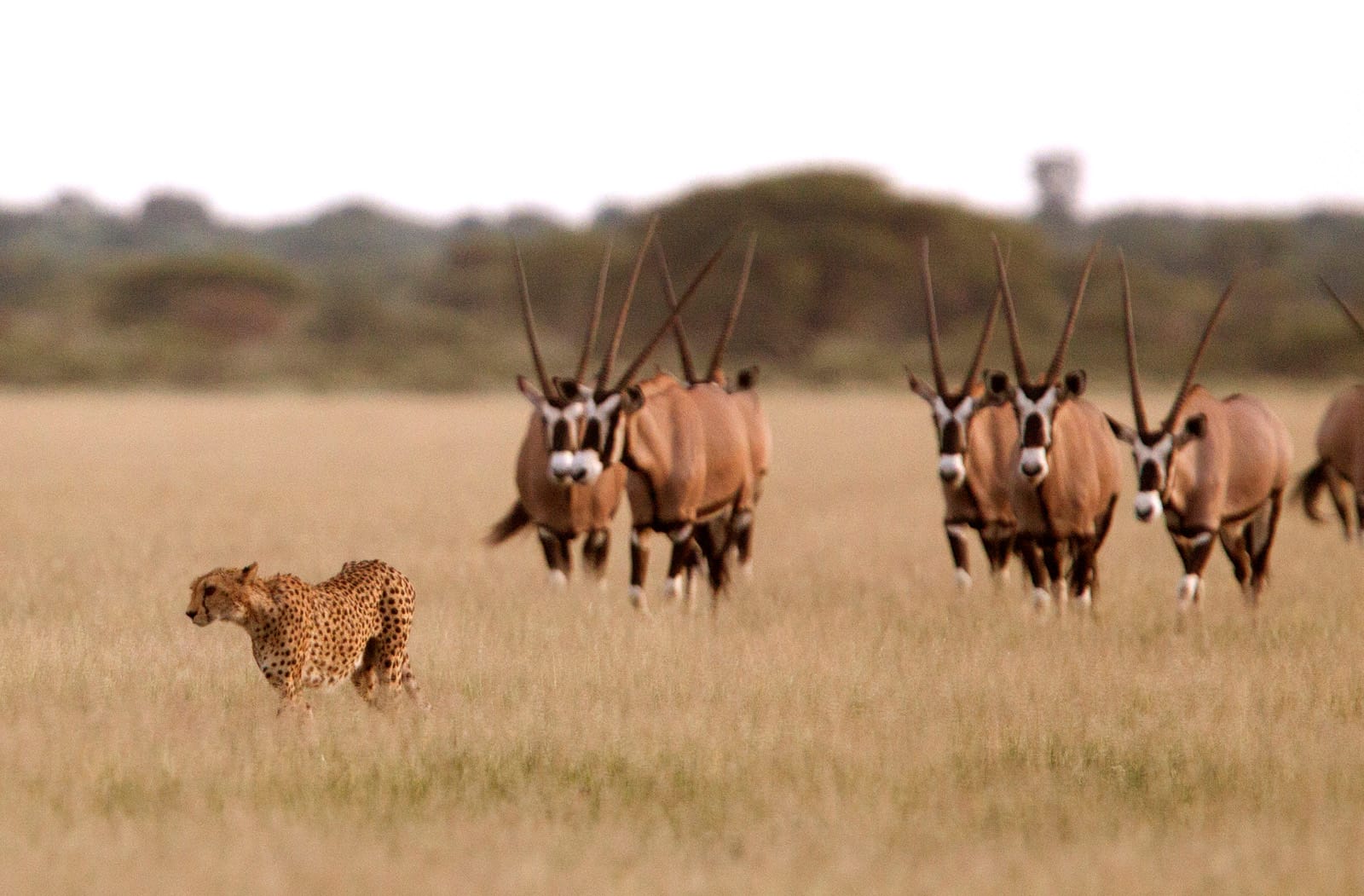
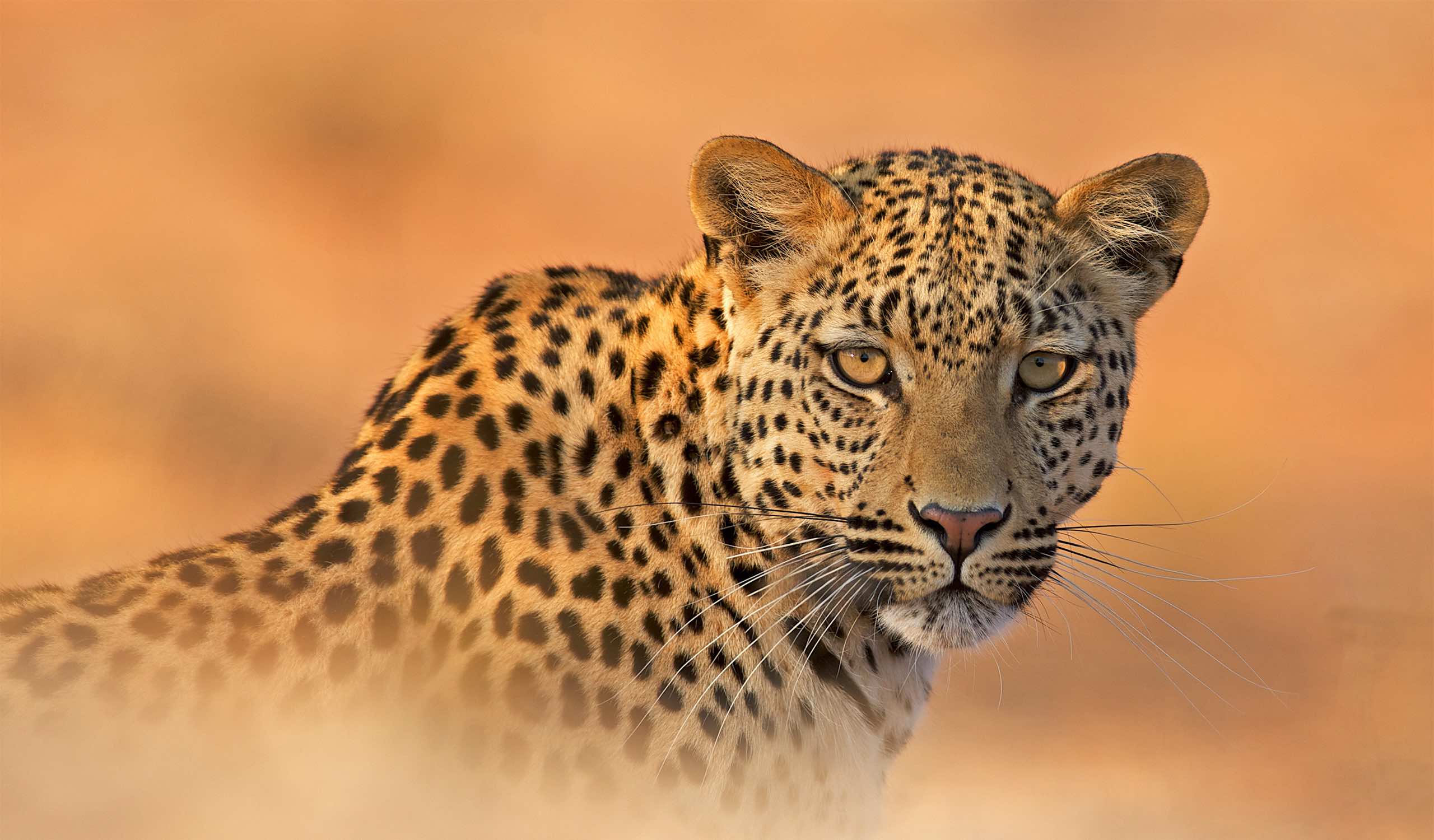
- Calving is in full swing. Springbok, wildebeest, zebra and impala drop young with the rains, and predators concentrate around them.
- Birding is at its best. More than a hundred migrant species are present; Etosha's pans can hold flamingo in numbers after a good fall.
- The bush is thick. Grass is long and cover is dense, so animals are harder to spot even where they are plentiful.
- Waterhole game viewing is poor. The honest trade-off: if you want dozens of animals at one waterhole, come between June and October.
Advantages of Visiting Namibia in February
- The greenest landscapes of the year. Nothing else on the calendar looks like it.
- The lowest visitor numbers. Sossusvlei and Etosha at a fraction of July's traffic.
- Low-season rates. Many lodges price February at their cheapest, and short-notice availability is realistic.
- Newborn animals and migrant birds. Both peak now.
- Storm light. The photography argument for the green season, and a strong one.
Things to Pack
- Lightweight long-sleeved clothing — cooler than bare arms in the sun, and better against insects
- A light rain jacket, not a heavy one
- Insect repellent: February is the peak of the mosquito season in the north
- A fleece for the coast, which will be fifteen degrees cooler than the interior
- Shoes that cope with mud, not just dust
- High-SPF sunscreen, a wide-brimmed hat, sunglasses and SPF lip balm
- Rehydration sachets — two to three litres of water a day in this heat
February is the one month where malaria prophylaxis genuinely matters for a northern route. The classic Sossusvlei–Swakopmund–Damaraland circuit stays outside the risk regions, but Etosha's north, the Kavango and the Zambezi are seasonal transmission areas from November to June. Ask a travel clinic, not us.
In summary
February is hot, humid, green and remarkably quiet. It suits travellers who want landscapes and birds over big-cat counts, who do not mind an afternoon storm, and who would rather have Sossusvlei to themselves at dawn than share it with forty vehicles in July. If your priority is classic waterhole game viewing, this is the wrong month and we will say so.
To see how February compares with the rest of the year, our Namibia weather by month guide sets every month side by side. For an itinerary built to handle green-season conditions, the 14-day Namibia self-drive safari is where we would start.
February is one of twelve, and the differences between them are larger than most visitors expect. Every month is covered in the same detail in our Namibia weather by month.
Frequently asked questions
Is February a good time to visit Namibia?
It depends what you want. February gives you the greenest landscapes, newborn animals, the best birding of the year, the fewest tourists and the lowest rates. It costs you waterhole game viewing and brings daily afternoon storms.
How hot is Namibia in February?
Inland days run 30–36°C and can exceed 38°C in the desert. Nights fall to 17–22°C. The coast at Swakopmund stays at 20–25°C.
Is February the wettest month in Namibia?
Yes, across most of the country. Central Namibia averages roughly 80–110 mm, the Zambezi 130–180 mm, and the coast almost nothing. It falls as short afternoon thunderstorms rather than all-day rain.
Is Etosha worth visiting in February?
For scenery, birds and young animals, yes. For dense waterhole sightings, no — water is everywhere, so game disperses. That experience runs from June to October.
Do you need malaria tablets for Namibia in February?
For northern routes through Etosha's north, the Kavango or the Zambezi it is a real consideration — those are seasonal transmission areas from November to June. The classic southern circuit sits outside the risk area. Ask a travel clinic.
Last verified August 2026. Temperature and rainfall figures are seasonal norms, not forecasts; any individual February will vary. Long-run climate data is published by the World Bank Climate Change Knowledge Portal.
Tell us your dates and we will tell you what the weather usually does on your route, and which lodges are worth booking early.