What is the weather like during April in Namibia
April is Namibia’s best shoulder month. Expect 25–33°C inland, 20–23°C on the coast and only 20–40 mm of rain. The rains have stopped, the air is clear, the country is still green and rates are still below peak.
What is the weather like during April in Namibia
April is the month Namibia dries out and cools down. The rains are effectively over, humidity falls away, and the country enters the long clear stretch that runs to October — but the landscape is still green from the summer just gone. Interior days run roughly 14°C to 27°C, and rainfall drops to around 20–40 mm in the centre.
Ask most Namibian guides which month they would choose for a first visit and a good number will say April. It is the one point in the year when the scenery, the light, the temperature and the price are all working in your favour at once.
Namibia in April – Understanding the Season
April is the shoulder between the summer rains and the winter dry season. Storms have stopped almost everywhere south of the Zambezi, the air has lost its humidity, and dust has not yet had time to build. What is left is exceptionally clear air over a still-green country.
The other thing April does is start the drying process that drives the whole dry-season safari experience. Standing water begins to disappear, and animals begin, slowly, to move back toward permanent waterholes. That process takes months — it is not complete until June or July — but April is where it begins.
April is the clearest air of the year over the last of the green — and the last month before rates climb.

Namibia in April – Weather Conditions
Warm days, cool nights and a rapidly widening temperature swing. The first cold mornings of the year arrive in late April on the central plateau, and by the end of the month a dawn game drive needs a fleece.
The historical record for both temperature and rainfall is published on the World Bank Climate Change Knowledge Portal if you want the full series rather than a seasonal average.
April is when the roads stop being a variable. Gravel D-roads that were soft in February have dried and been graded, drifts are empty, and the classic circuit behaves predictably again. Corrugation, not mud, becomes the thing to plan around — which is covered in our guides to Namibian road surfaces and whether you need a 4×4.
Namibia in April – Wildlife and Safari Experiences
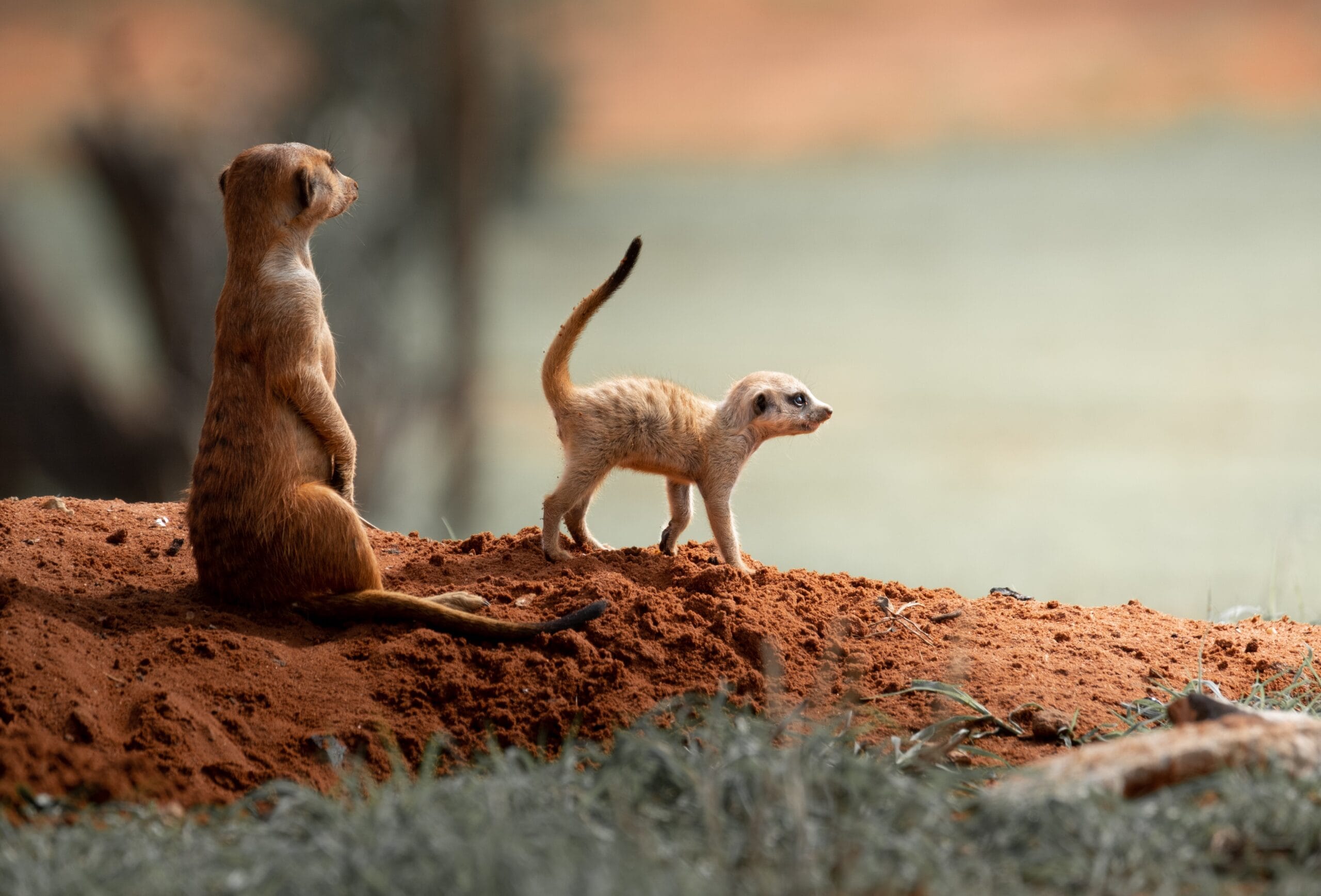
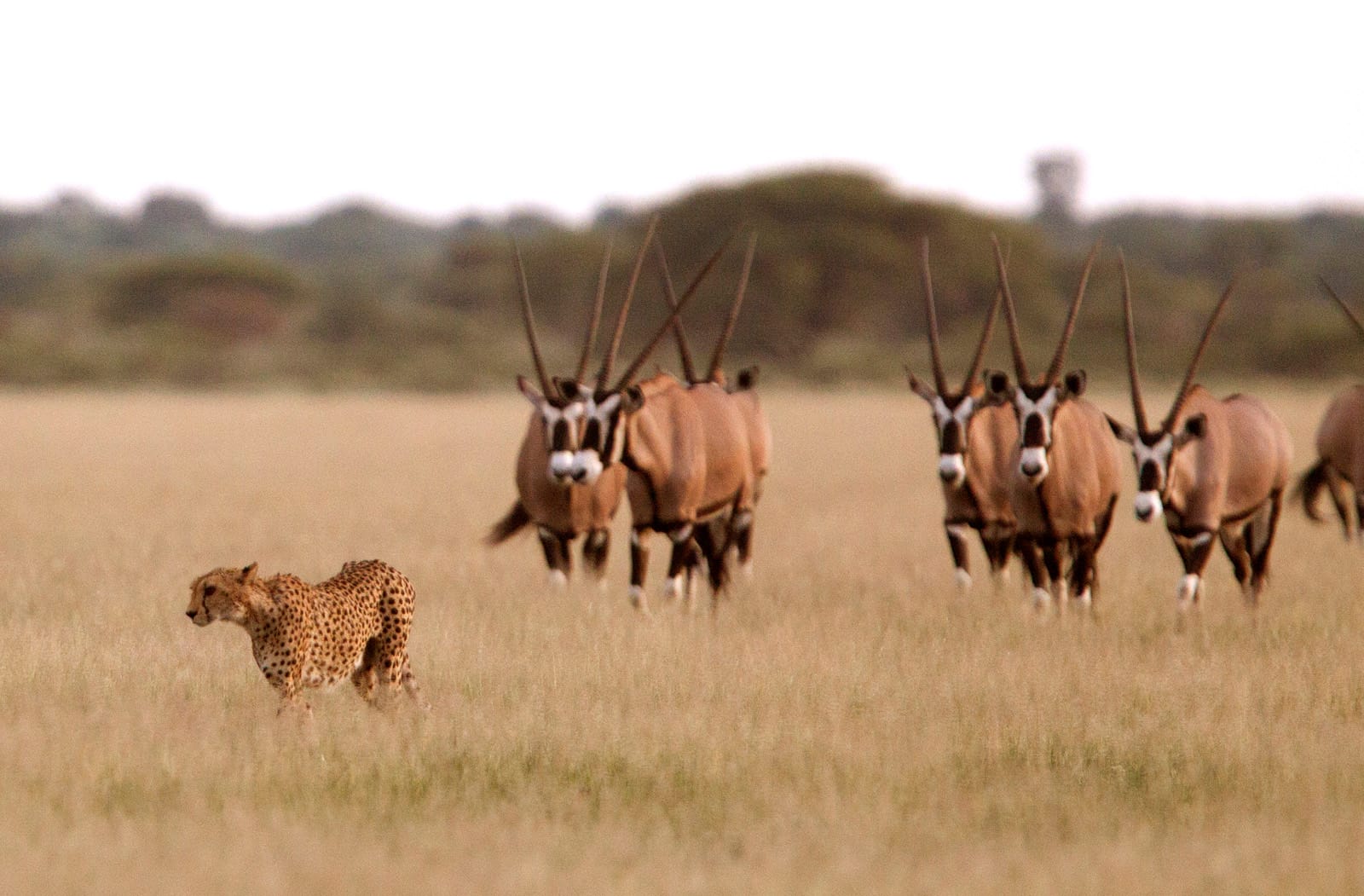
April is a transition month for wildlife, and that cuts both ways: animals are still dispersed, but the drying has begun and the bush is starting to open up.
Etosha National Park in April
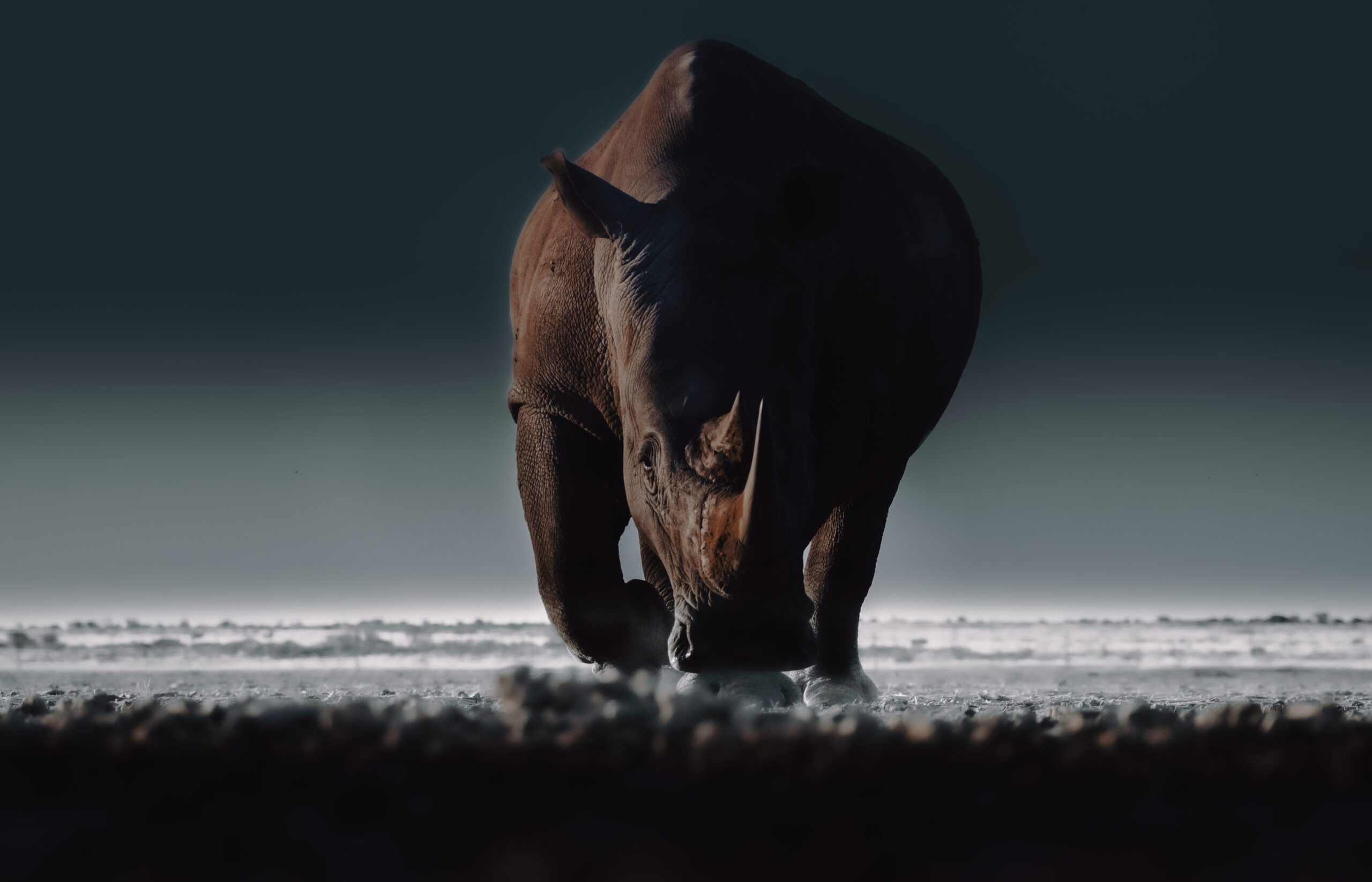
Standing water from the rains is receding, so game starts to move back toward the permanent waterholes. Sightings are more reliable than in February or March without yet approaching the concentration of July. The grass is still long enough to hide a lion, but the pans are drying and visibility across them is improving weekly. Park camps are run by Namibia Wildlife Resorts and are still bookable at reasonable notice.
Birdwatching at Its Best
April is the last of the migrant season. Many summer visitors depart through the month, so early April is considerably richer than late April. Resident species remain, water birds are still concentrated on the drying pans, and raptor viewing improves as cover thins. If birding is the priority, aim for the first half of the month.
Wildlife Beyond Etosha
The Kalahari has turned gold rather than green, which improves visibility markedly. Damaraland’s desert-adapted elephant are easier to track as ephemeral rivers stop running. In the Zambezi the floodwaters are near their peak — the water arrives from Angolan catchments weeks after the rain that produced it — so that region stays wet well after the rest of the country has dried.
Namibia in April – Best Regions to Visit
The Namib Desert
April is arguably the best month of the year at Sossusvlei. Daytime highs have dropped to around 30°C, the light is clean, and there may still be grass on the plains between the dunes. Dawn temperatures in the low teens make climbing Big Daddy a realistic proposition rather than an ordeal.
Skeleton Coast
Stable, cool and fogbound as always. The Benguela Current keeps this coastline within a narrow band year-round, so April looks much like October. Permit-controlled access and fixed gate times matter here far more than the weather does.
Swakopmund and Walvis Bay
Twenty to twenty-three degrees, quiet, and comfortable. April is a good month for the coast: the domestic holiday season is over, the fog burns back by late morning, and the lagoon at Walvis Bay still holds flamingo in numbers.
Central Highlands and Windhoek
Clear, mild days and the first genuinely cold mornings of the year. The highlands hold their green into April and the light is exceptional. Windhoek at 1,700 metres is at its most pleasant.
Caprivi Strip
The exception to April’s dryness. Zambezi floodwaters peak between April and June, fed by rain that fell in Angola weeks earlier, so this region is at its wettest when the rest of Namibia is drying. Excellent for water-based activities and birds, harder for self-drive access.
Namibia in April – Costs, Crowds, and Comfort
April is the last month before the money changes. Most lodges hold low-season or shoulder rates through April and move to high season from May or June, so April buys you dry-season comfort at wet-season prices. Availability is still workable at a few weeks’ notice, which stops being true by June.
Crowds are similarly in between: busier than February, nowhere near July. Sossusvlei at sunrise in April has vehicles in the car park but not queues at the dune.
April and May are the two months where the gap between what you pay and what you get is widest. Both sit outside the peak but inside the good weather.
Namibia in April – Highlights and Lowlights
Highlights
- The clearest air of the year. Humidity gone, dust not yet arrived.
- Green landscapes without the rain. The last of the summer colour under dry-season skies.
- Comfortable temperatures. Mid to high twenties inland, not the mid-thirties.
- Shoulder-season rates. The last month before prices climb.
- Improving game viewing. Water receding, animals beginning to concentrate.
Lowlights
- Migrants are leaving. Birding declines noticeably through the month.
- Game is not yet concentrated. Waterhole viewing is better than March, well short of July.
- Cold mornings catch people out. Ten degrees at dawn in the Namib is normal and visitors rarely pack for it.
- The Zambezi is flooding. Peak water arrives now, not in the rainy season.
- Easter can be busy. When Easter falls in April, domestic travel and coastal towns fill up.
Namibia in April – Festivals and Events
Independence Spirit and Cultural Celebrations
Namibia’s Independence Day is 21 March, so an April visitor arrives just after the country’s biggest public commemoration rather than during it. What lingers into April is the quieter, local end of it: community events, cultural festivals and school celebrations that run in the weeks following.
The date that does affect April travel is Easter, which falls in April in most years. Good Friday and Easter Monday are public holidays, Namibian families travel — overwhelmingly to the coast — and Swakopmund, Walvis Bay and Henties Bay fill up. If your route touches the coast over Easter, book it early. The rest of the country is unaffected.
Namibia in April – Activities to Try
- Climb a dune at dawn. April is the month the temperature actually allows it.
- Walk in Damaraland or the Erongo. Cool mornings, green underfoot, no mud.
- Catch the last migrants. Early April at the northern pans, before they leave.
- Take a boat in the Zambezi. Floodwaters peak now; the water-based experience is at its best.
- Stargaze in the Namib. Dry air, no dust and no moon haze — the clearest skies of the year.
Packing Tips for Namibia in April
April is the month people under-pack for, because they look at a daytime average and ignore the swing. Ten degrees at dawn in the Namib and twenty-nine by lunchtime is a normal April day.
- A proper fleece or light down layer for early mornings — not a jumper
- Layers you can shed by nine in the morning
- Lightweight long sleeves for the middle of the day
- Insect repellent for the north; less critical than in February
- High-SPF sunscreen, wide-brimmed hat, sunglasses, SPF lip balm — clear air means stronger sun
- Closed walking shoes; dust rather than mud from now on
- Rehydration sachets and a refillable bottle
April sits inside the seasonal transmission window, which runs November to June in Ohangwena, Omaheke, Omusati, Oshana, Oshikoto and Otjozondjupa, and year-round along the Kunene, Okavango and Zambezi rivers. Windhoek has no transmission and the Sossusvlei–Swakopmund–Damaraland circuit stays outside the risk regions. Take your route and dates to a travel clinic.
Is April a Good Time to Visit Namibia?
Yes. If you asked us to pick one month for a first trip to Namibia on balance of weather, scenery, comfort and price, April would be on a very short list with May.
The case against it is narrow and specific: if you are coming primarily for dense waterhole game viewing, wait for July or August; and if you are coming primarily for birds, come in February or March instead. For everything else — landscape, photography, self-drive comfort, value — April is genuinely hard to beat.
Our Namibia weather by month guide sets all twelve months side by side if you want to compare directly. For a route that suits April conditions, the 14-day Namibia self-drive safari is where we would start.
April is one of twelve, and the differences between them are larger than most visitors expect. Every month is covered in the same detail in our Namibia weather by month.
Frequently asked questions
Is April a good time to visit Namibia?
Yes — it is one of the best. Clear air, green landscapes, comfortable daytime temperatures, improving game viewing and shoulder-season prices. The trade-offs are departing migrant birds and game that has not yet concentrated at waterholes.
How hot is Namibia in April?
Interior days run 25–33°C and nights fall to 10–16°C, with the widest temperature swing at Sossusvlei and in the Kalahari. The coast at Swakopmund stays at 20–23°C.
Does it rain in Namibia in April?
Very little. Central Namibia averages roughly 20–40 mm, mostly early in the month, and the south and coast get almost none. The Zambezi is the exception at 40–70 mm.
Is Etosha good in April?
Better than March and improving through the month as standing water recedes and animals return to permanent waterholes. It is not yet the concentrated dry-season experience of July and August.
How cold does it get in the morning in April?
Cold enough to matter. Dawn in the Namib and the Kalahari can be 10–12°C, and open game-drive vehicles make it feel colder. Pack a real fleece, not a jumper.
Is April busy in Namibia?
Quieter than the June-to-October peak but busier than February. The exception is Easter, when Namibian families travel to the coast and Swakopmund and Walvis Bay fill up.
Last verified August 2026. Temperature and rainfall figures are seasonal norms, not forecasts; any individual year will vary. Long-run climate data is published by the World Bank Climate Change Knowledge Portal.
Tell us your dates and we will tell you what the weather usually does on your route, and which lodges are worth booking early.