What is the weather like during October in Namibia
October is Namibia’s hottest month and its best for wildlife. Expect 30–38°C inland, 20–24°C on the coast and under 25 mm of rain. Game is completely concentrated on permanent water, and rates have dropped from the peak.
What is the weather like during October in Namibia
October is the hottest month in Namibia and the last of the dry season. Interior daytime temperatures climb into the mid and high thirties, the north regularly passes 35°C, and the first isolated thunderstorms of the coming summer appear late in the month. Nights are mild — 15°C to 20°C — and the freezing dawns of winter are a memory.
It is also, for wildlife, the most concentrated month of the year. Seven months without rain means every animal is tied to permanent water, and the heat means they drink more often. October is uncomfortable and it is spectacular, and the two are the same fact.
Temperatures in Namibia in October
The heat builds week by week. Early October is a warm September; late October is a dry November. The coast is the exception and stays in the low twenties throughout, which is why it functions as a rest stop rather than a destination in this month.
Between about eleven and four, the interior is genuinely hard work. Plan the day the way Namibians do: out at first light, back by eleven, rest through the middle, out again from four. Fighting the middle of an October day is the most common mistake visitors make in this month.
Rainfall and the First Storms
October is technically the start of the rainy season, but only just. Most of the country records under 20 mm for the whole month, and much of it falls in the last ten days. What you get is the occasional dramatic build-up in the late afternoon — towering cloud, distant lightning, and often no rain reaching the ground at all.
The long-run rainfall record for Namibia is published on the World Bank Climate Change Knowledge Portal if you want the full series rather than a monthly norm.
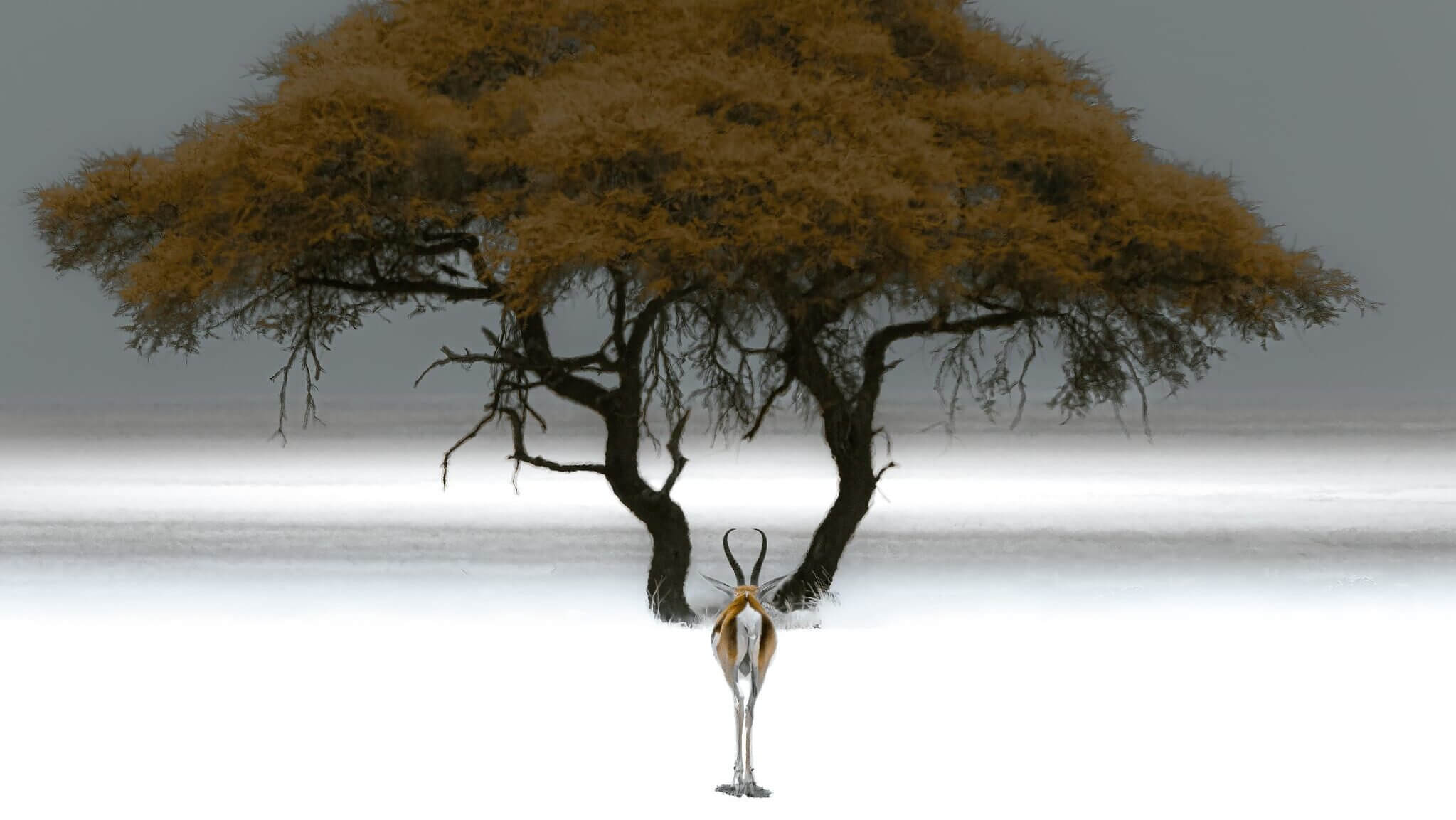
Wildlife and Safari in Namibia in October
The most concentrated game viewing of the year, and it is not close.
- Etosha is extraordinary. Every ephemeral pan has been dry for five months. The permanent waterholes carry the whole park, and in 36°C heat animals come back two and three times a day.
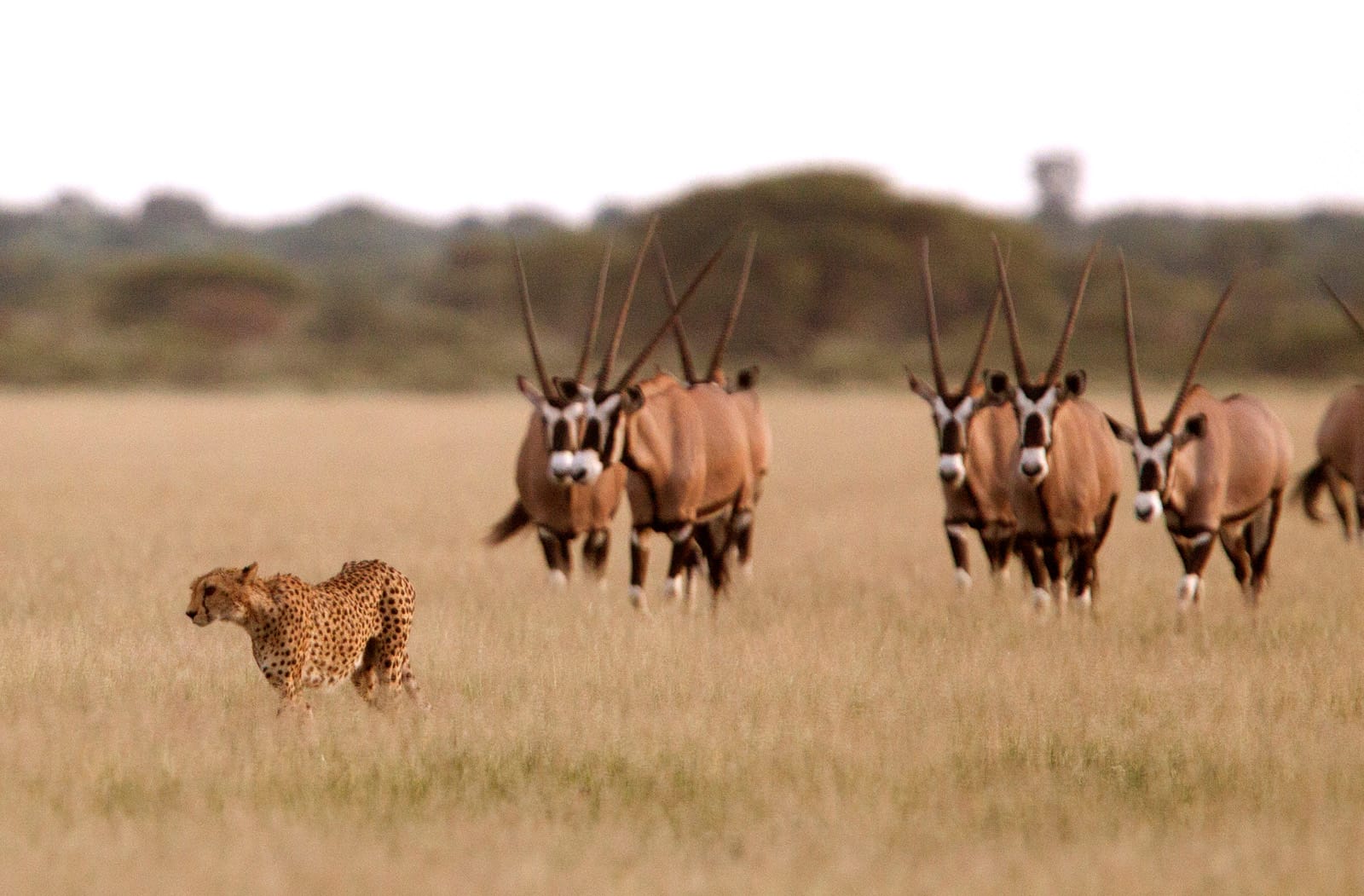
- Predators are at their most visible. Lion at the waterholes, cheetah on open ground, and leopard easier than at any other time because there is no cover left.
- Elephant congregate. Large herds at the same handful of waterholes, morning and late afternoon.
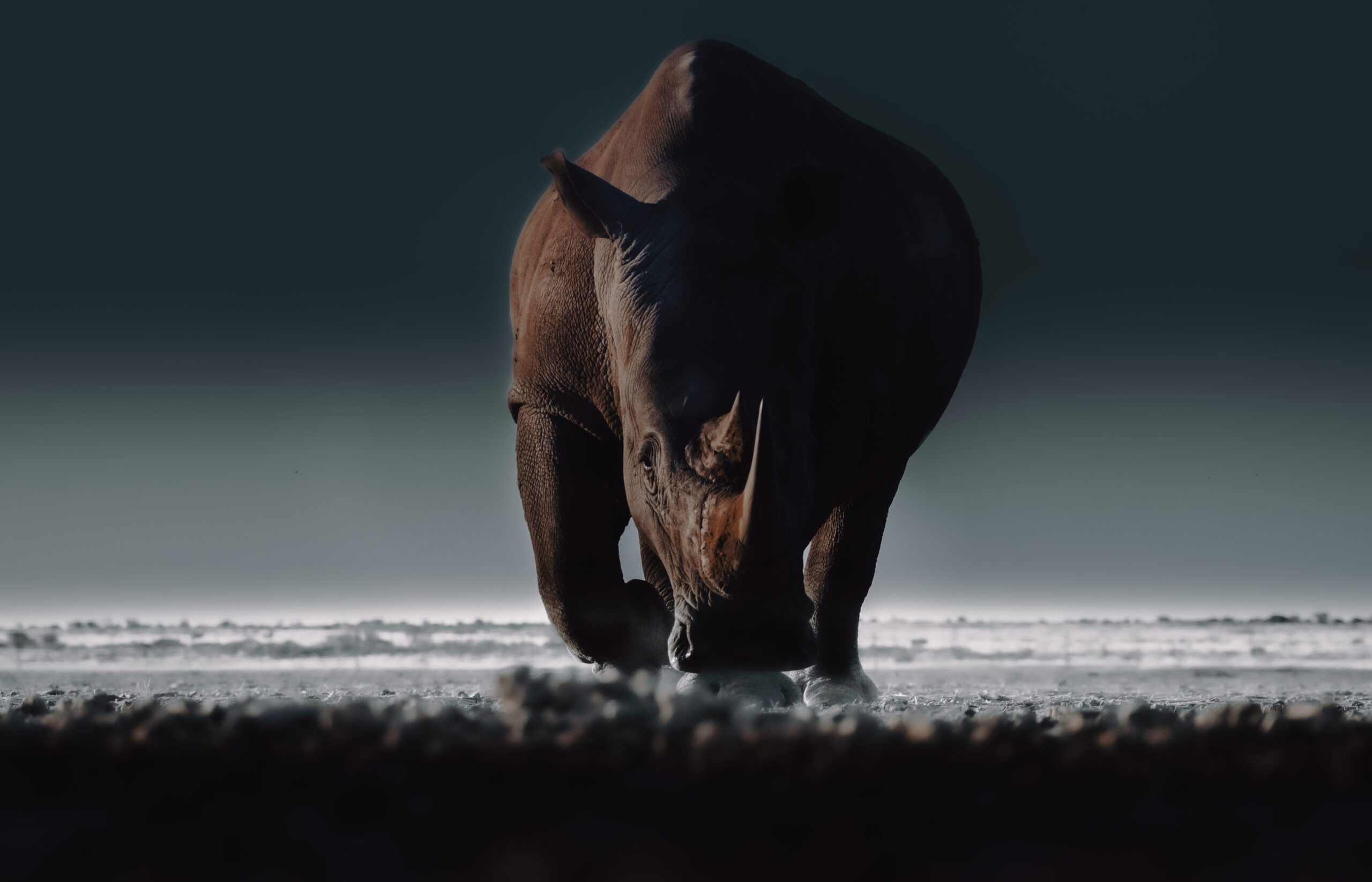
- Desert-adapted game is predictable. Damaraland’s elephant and rhino on known stretches of dry riverbed.
- Birding recovers. Summer migrants arrive through October, so the second half of the month is markedly better than the first.
- Animals are in poor condition. Worth saying plainly — this is the hungriest point of the year, and some sightings are hard to look at.
Etosha’s park camps are run by Namibia Wildlife Resorts. October is easier to book than July or August but not by as much as people assume.
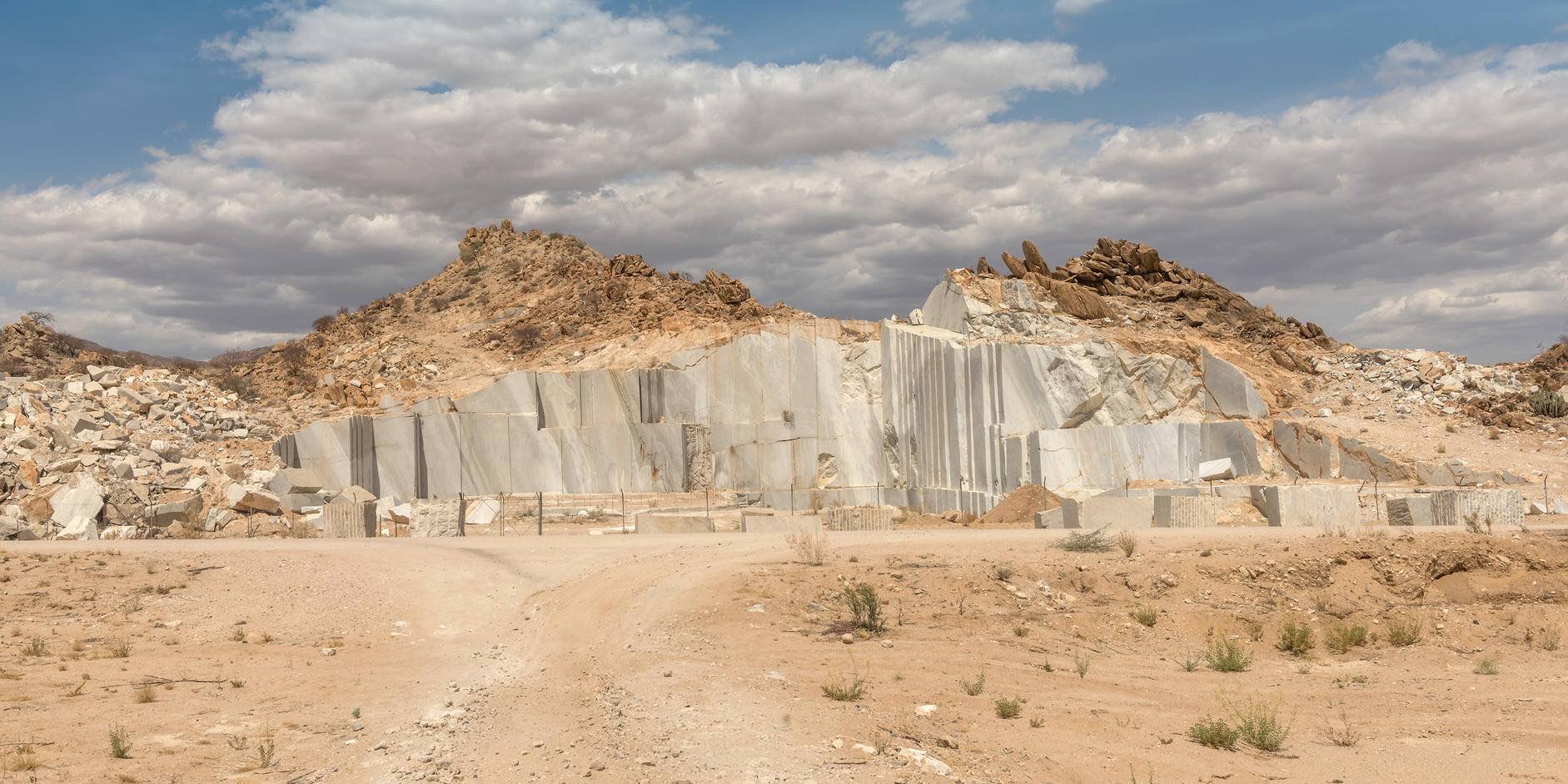
Best Regions to Visit in October
Etosha and the North
The reason to come. Also the hottest part of the country, at 34–38°C. Stay inside the park if you can — the drive from an outside lodge to a waterhole eats the coolest hour of the day, and the floodlit camp waterholes after dark are among the best wildlife experiences in Africa.
The Namib Desert and Sossusvlei
A dawn destination and nothing else in October. Be at the Sesriem gate when it opens, climb before eight, and be off the dunes by ten. The reward is dramatic light and, late in the month, storm cloud behind red dune — the shot that only exists in the shoulder weeks.
Damaraland and the Erongo
Hot but manageable if you keep activity to the early morning. Rock art at Twyfelfontein and the Brandberg is exposed and unshaded, so it is a first-light activity in October. Desert-adapted elephant tracking is at its most reliable.
Swakopmund and the Coast
Twenty to twenty-four degrees while the interior is in the high thirties. In October the coast is less a destination than a relief valve, and building two nights there into the middle of an itinerary is a sound decision rather than an indulgence.
The Zambezi and Caprivi
Hot and humid, with the first rains arriving. The floodplains are at their lowest, which concentrates game along the river channels, and the birding improves fastest here as the migrants return. Access is still good; by December it will not be.
Crowds, Costs and Comfort in October
October is shoulder season at most lodges, and the drop from August rates is real. Availability opens up considerably, and booking two to three months out is usually workable rather than the six months July demands.
Comfort is the trade. You are buying the best wildlife of the year at a discount, and paying for it in heat. Whether that is a good deal depends entirely on how you handle 36°C, and on whether your vehicle has working air conditioning — a question worth asking the rental desk directly.
September is more comfortable. October has better waterhole concentration, lower rates and fewer people. The wildlife gap is small; the heat gap is not.
Festivals and Events in October
There is no national public holiday in October, so domestic travel patterns do not affect availability.
What October marks is the end of the outdoor season. The Fish River Canyon hiking trail closed in mid-September and stays closed until May. Walking-heavy activities across the country wind down as the heat builds, and lodges shift their programmes toward early-morning and after-dark activities.
Activities and Travel Tips for October
- Sit at a waterhole in the heat of the day. Counter-intuitive, and the single best thing you can do in October.
- Use the floodlit camp waterholes after dark. Okaukuejo and Halali at night are the month’s highlight.
- Start every activity at first light. Everything worth doing outdoors happens before nine.
- Build in coastal nights. Fifteen degrees cooler and it resets the trip.
- Check the air conditioning before you leave the rental desk. In October it is not a luxury.
- Size driving days on the surface, not the map. Long gravel legs in the afternoon heat are tiring — see our guide to Namibian roads.
Packing for Namibia in October
- Lightweight, loose, long-sleeved clothing — cooler than bare arms and better against sun
- A light fleece for dawn and for the coast; nothing heavier is needed
- High-SPF sunscreen, a wide-brimmed hat with a chin strap, wraparound sunglasses, SPF lip balm
- Rehydration sachets — three litres of water a day inland is realistic, not cautious
- Heavy moisturiser; the air is at its driest before the rains break
- A light rain jacket if you travel in the last week of the month
- Insect repellent for the north as the season turns
October sits just outside the seasonal transmission window, which opens in November in Ohangwena, Omaheke, Omusati, Oshana, Oshikoto and Otjozondjupa. The Kunene, Okavango and Zambezi rivers are year-round risk areas. Late October, with the first rains, is the point at which the northern risk begins to return. Take your route and dates to a travel clinic.
Is October a Good Time to Visit Namibia?
For wildlife, yes — it is the best month of the year, and the value is excellent because the peak-season pricing has passed. For comfort, it is the hardest month on the calendar alongside January.
Come in October if the wildlife is the point of the trip, you are content to run a dawn-and-dusk schedule, and you would rather spend the saving on an extra night in Etosha than on a cooler month. Come in May or September instead if you want to be outside in the middle of the day.
Our Namibia weather by month guide compares all twelve directly. For a route built around waterhole game viewing, the 14-day Namibia self-drive safari is our starting point.
October is one of twelve, and the differences between them are larger than most visitors expect. Every month is covered in the same detail in our Namibia weather by month.
Frequently asked questions
Is October a good time to visit Namibia?
For wildlife, it is the best month of the year — seven months without rain means game is completely concentrated on permanent water. For comfort it is the hardest, with interior temperatures in the mid to high thirties.
How hot does Namibia get in October?
Very. Etosha and the north reach 34–38°C, Sossusvlei 33–38°C and Windhoek 30–33°C. Nights are mild at 13–22°C. Only the coast stays cool, at 20–24°C.
Does it rain in Namibia in October?
Very little, and mostly in the last ten days. Central Namibia averages 10–25 mm and the Zambezi 30–60 mm. Dramatic build-ups often produce lightning without rain reaching the ground.
Is Etosha good in October?
It is exceptional — the most concentrated game viewing of the Namibian year. In 36°C heat animals return to the waterholes two or three times a day.
Is October cheaper than August in Namibia?
Usually yes. October is shoulder season at most lodges, and availability is far better. You are buying the year’s best wildlife at a discount and paying for it in heat.
What should I pack for Namibia in October?
Lightweight long sleeves, a light fleece for dawn and the coast, serious sun protection, and rehydration sachets. Three litres of water a day inland is realistic.
Last verified August 2026. Temperature and rainfall figures are seasonal norms, not forecasts; any individual year will vary. Long-run climate data is published by the World Bank Climate Change Knowledge Portal.
Tell us your dates and we will tell you what the weather usually does on your route, and which lodges are worth booking early.