Can you drink the tap water in Namibia?
Yes, in the towns. Windhoek, Swakopmund, Walvis Bay and the main centres treat their water to drinking standard. On farms, at remote camps and from boreholes, ask before you fill a bottle.
People arrive expecting to spend two weeks buying plastic bottles, and in most of Namibia that is unnecessary. The country has an unusually good record on municipal water, for the blunt reason that it has almost none and has had to be careful with what it has. What matters here is not the country. It is the source of the particular tap in front of you.
In the towns it is fine
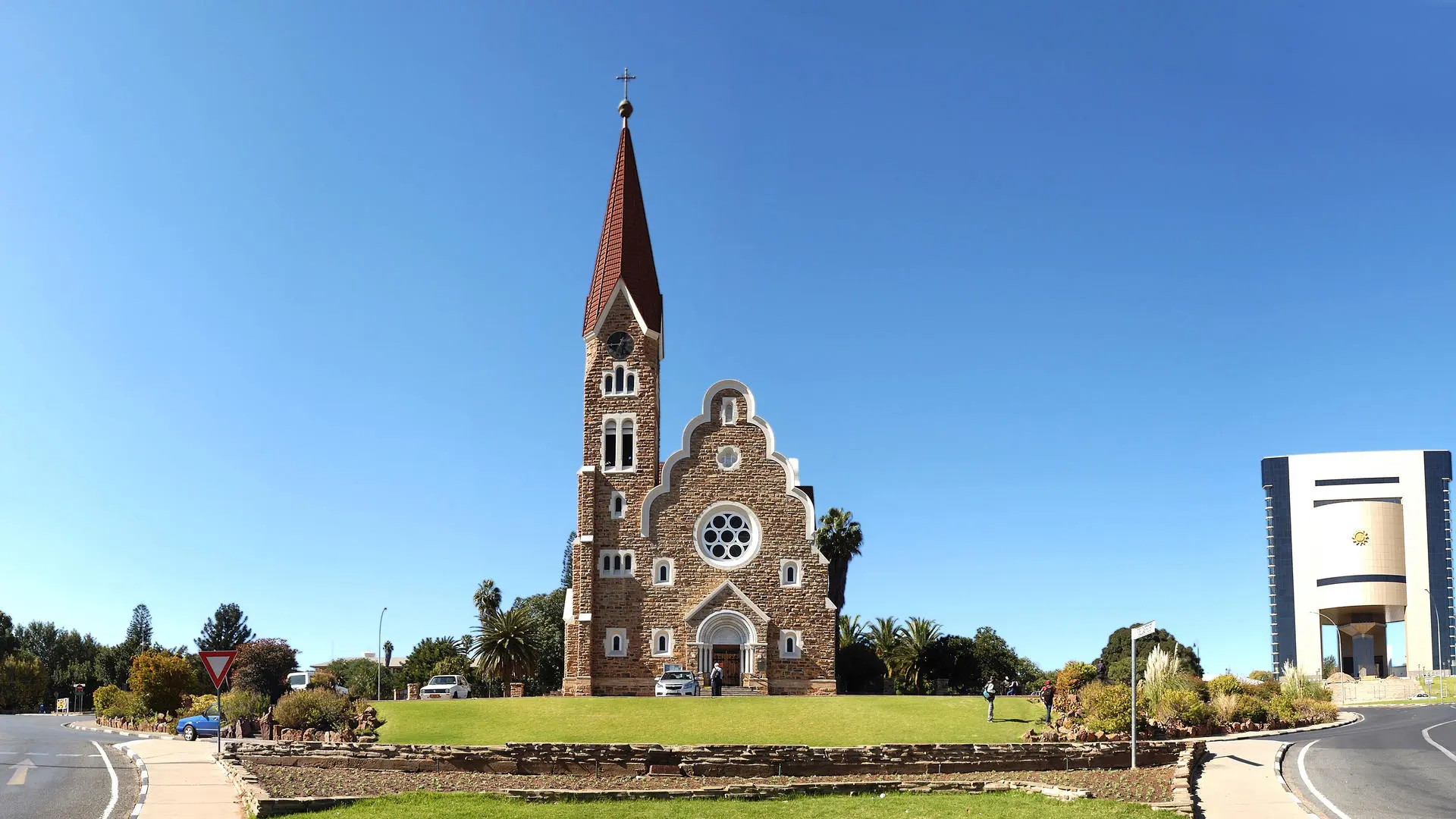
Windhoek has been recycling its own wastewater into drinking water since the 1960s at the Goreangab plant, the first plant in the world to do it, through a ten-stage process of flotation, filtration and disinfection. The city has drunk its own recycled water for six decades without an outbreak attributed to it. Swakopmund, Walvis Bay and the larger towns run conventional treated supplies. If the tap is municipal, it is fine.
Where to ask first
Brackish is not the same as unsafe. A lot of borehole water in the south and along the coast is high in dissolved salts, which makes it taste awful and does nothing worse than that. If a lodge says the water is safe but not nice, believe both halves.
The bottled water problem
Lodges sell bottled water because guests expect it, not because the tap is dangerous. A two-week trip with two people drinking three litres a day is roughly eighty-four bottles, which cost real money and end up in a country with very little recycling infrastructure. Bring a refillable bottle. If you want belt and braces, a filter bottle handles the boreholes as well and weighs nothing.
What actually upsets stomachs here
Usually not the water. Heat and dehydration, unfamiliar food, and more alcohol than usual at altitude do far more damage on a Namibian trip than the tap does. Standard food and beverage precautions still apply where sanitation is variable, but the specific fear of Namibian tap water is misplaced in the towns. The heat is the thing to respect — there is more on that in staying healthy on a Namibia safari.
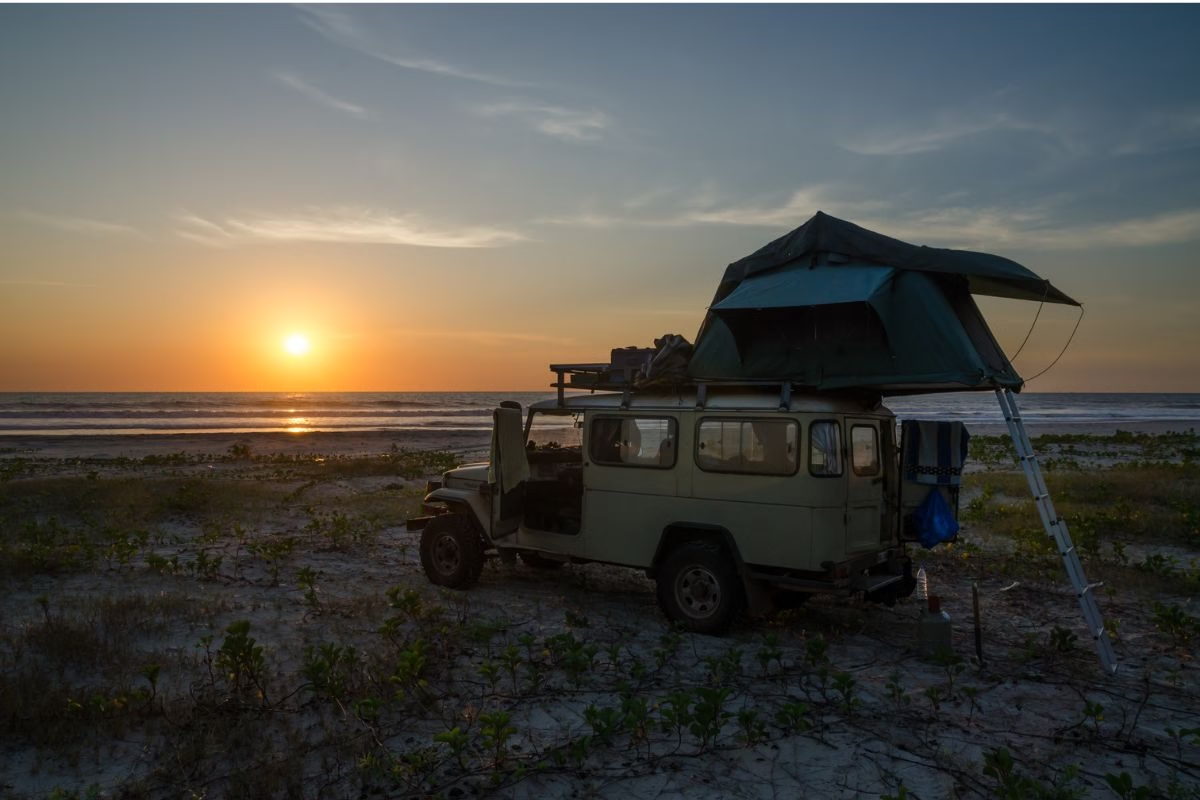
- Carry more water in the car than you think you need. Three litres a person a day is a floor in summer, not a target.
- Fill up in towns. It is free, it is good, and it saves buying bottles at lodge prices.
- A filter bottle covers the borehole nights and the moment you forgot to ask.
- If the water looks or smells wrong, do not drink it regardless of what anyone told you.
Water is also a cost line. Bottled water at lodge prices adds up over a fortnight, which is covered in the budget safari breakdown. Our 14-day coast to Caprivi safari crosses every water type in the country, from coastal desalination to the Zambezi floodplain.
Never drink from a river, a dam or standing water anywhere in Namibia, however clear it looks. That includes the Kunene and the Zambezi, where the risk is not chemical.
Frequently asked questions
Can you drink tap water in Namibia?
In Windhoek, Swakopmund, Walvis Bay and the main towns, yes. Municipal supplies are treated to drinking standard. At remote lodges and on boreholes, ask first.
Is Windhoek tap water safe?
Yes. Windhoek has recycled its own wastewater into drinking water since the 1960s through a ten-stage treatment process, and it is the longest-running system of its kind in the world.
Should I buy bottled water in Namibia?
Mostly unnecessary in the towns. A refillable bottle, topped up in towns, covers a two-week trip and avoids about eighty-four plastic bottles for two people.
Is lodge borehole water safe to drink?
Usually, but ask. Some borehole water is brackish, which affects taste rather than safety. Lodges will tell you plainly if theirs is not for drinking.
Can I brush my teeth with Namibian tap water?
Yes, anywhere the water is treated, and in practice at almost every lodge in the country.
Do I need a water filter for Namibia?
Not for the towns. A filter bottle is a sensible extra if you are camping, travelling in the far south, or heading into the Kaokoveld.
We drink the tap water in Swakopmund every day. Where we would not, we say so on the itinerary rather than leaving you to guess at the sink.