Namibian food: what to expect on safari
Expect game meat, German baking and a lot of grilled beef. Oryx, kudu and springbok are ordinary restaurant food here, kapana is the street version, and the coast adds oysters and fresh fish. Vegetarians should plan ahead.
Namibian food is three cuisines that never quite merged: an indigenous one built on maize, millet and slow cooking, an Afrikaans one built on fire and cured meat, and a German one that arrived with the colonial period and never left. You will eat all three in a fortnight, sometimes in the same day, and the results are better than the country’s culinary reputation suggests.
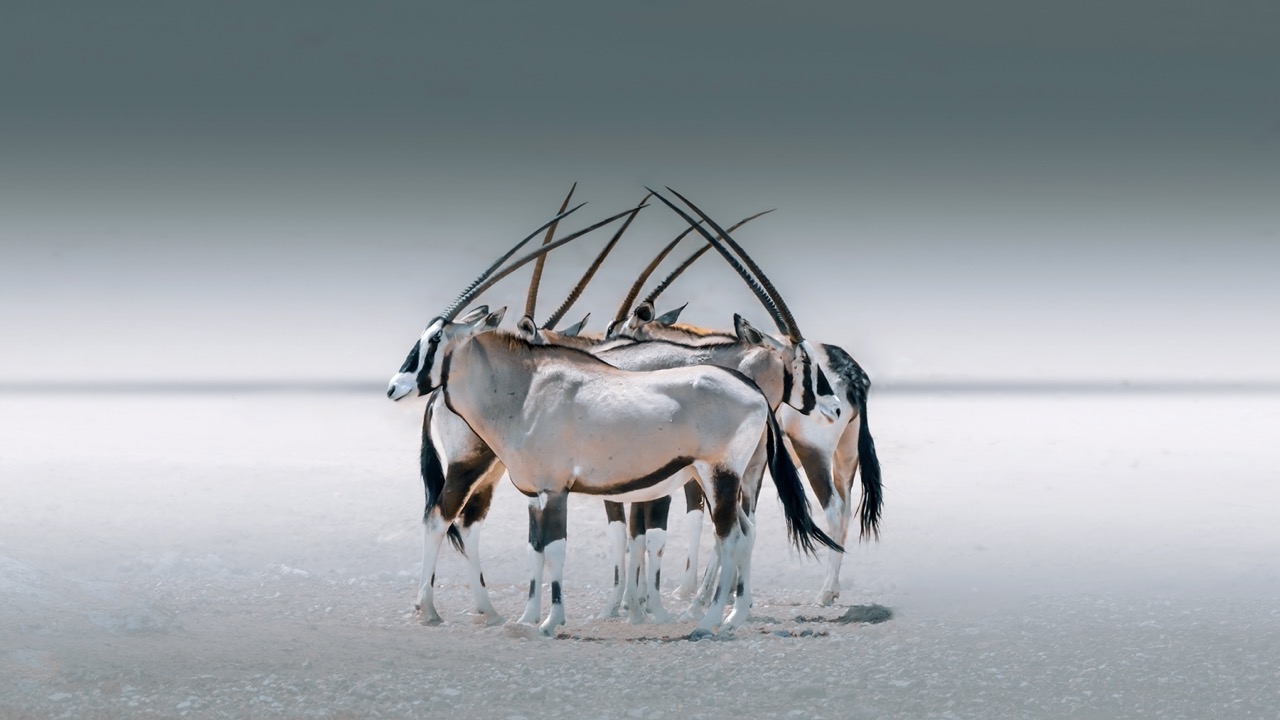
What you will actually eat
Where the food is genuinely good
- Swakopmund. The best restaurants on any Namibian itinerary, and the one night worth booking a table rather than eating at the lodge.
- Walvis Bay, for oysters straight from the lagoon farms.
- Windhoek, for kapana at the market and for the German bakeries.
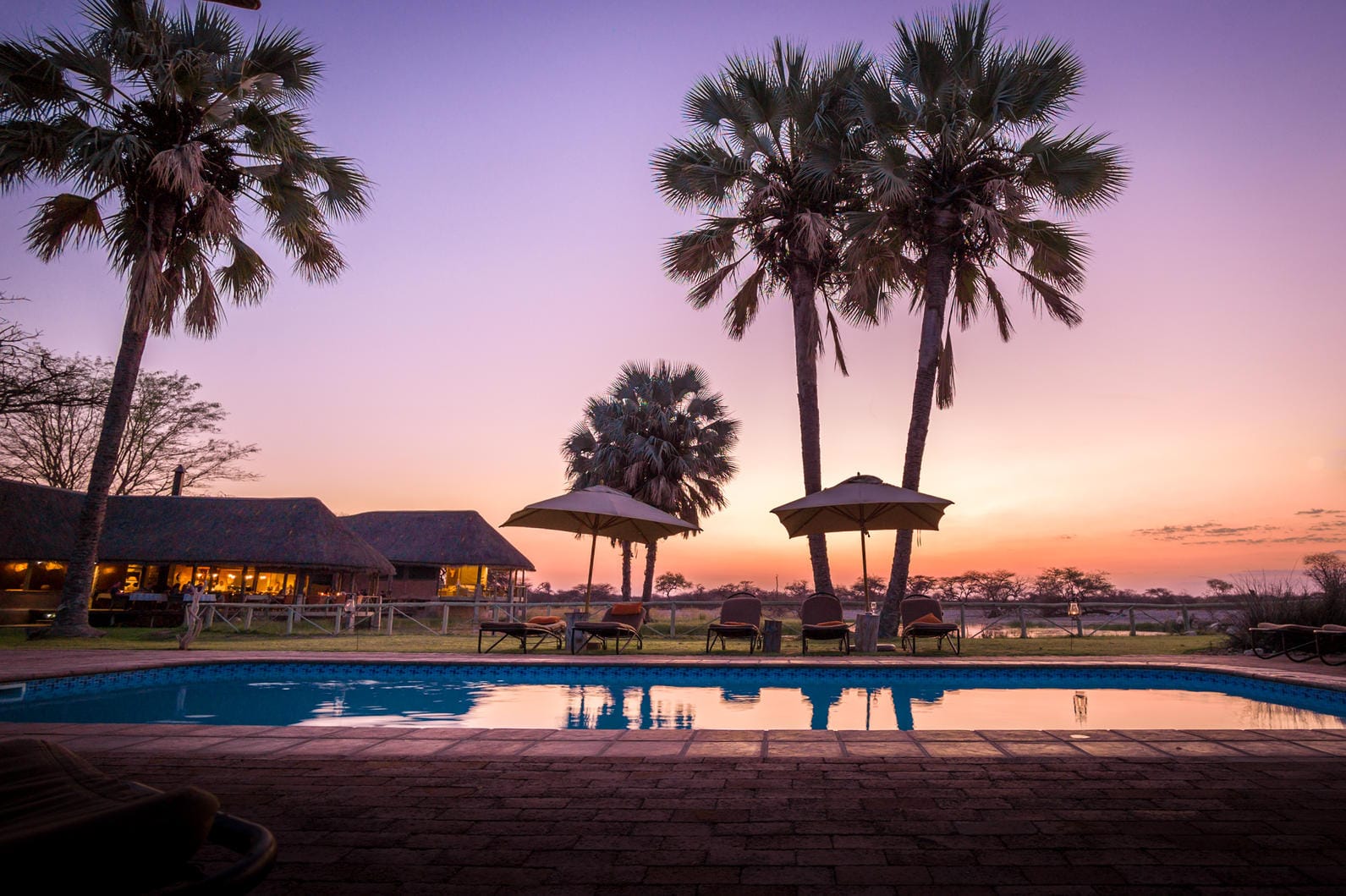
- Lodge dinners, which are usually a set menu, usually good, and rarely adventurous.
- Farm stays, where the food is whatever the family is eating and is often the best meal of the trip.
Self-catering changes the trip. Supermarkets in Windhoek, Swakopmund and Otjiwarongo are well stocked and cheap, and a cool box of good meat and vegetables costs a fraction of eating at lodges every night.
If you do not eat meat
Be direct and be early. Namibian cooking is built around meat, and a lodge fifty kilometres from the nearest shop cannot improvise a vegetarian menu at seven in the evening. Tell the operator at booking, not on arrival, and expect the vegetarian option to be competent rather than exciting. Vegan is harder again and needs flagging in writing well ahead. Self-catering solves the problem entirely.
On the practical side, standard food and beverage precautions apply where sanitation is variable, though the towns and lodges on the main circuit are straightforward. UK health advice for Namibia covers the rest, and the water question is answered in can you drink the tap water in Namibia.
Food is also a budget line worth understanding — see how much money you need in Namibia. Our 14-day coast to Caprivi safari crosses every one of these food cultures, coast to floodplain.
Do not count on finding a shop in the afternoon outside the main towns. Rural supermarkets keep short hours and close entirely on Sundays, and the next one may be two hundred kilometres away.
Frequently asked questions
What food is Namibia known for?
Kapana grilled beef, braai, oshifima or pap made from mahangu millet, potjiekos stew, biltong, and game meat such as oryx, kudu and springbok.
What is kapana?
Beef grilled over open coals at market stalls, sliced with a knife and eaten standing with chilli and salt. Windhoek’s Single Quarters market is the best known place for it.
Can you eat game meat in Namibia?
Yes, and it is ordinary restaurant food rather than a novelty. Oryx, kudu and springbok appear on most menus, usually as steak.
Is Namibian food good for vegetarians?
It is manageable but not generous. Tell the operator at booking rather than on arrival, because remote lodges cannot improvise. Self-catering solves it.
Why is there German food in Namibia?
A German colonial period left bakeries, cured sausage and konditorei cake behind, particularly in Swakopmund and Windhoek, and they never went away.
Should I self-cater in Namibia?
If you are camping, yes. Supermarkets in the larger towns are good and cheap, and lodge dinners every night add up quickly.
We eat here. The dietary point is the one worth acting on: tell us at booking and it is arranged, tell the lodge at dinner and it is an omelette.