Top Photography Tips when on a Namibian safari
The most useful photographic decision in Namibia is where you sleep at Sossusvlei. The inner Sesriem gate opens an hour before sunrise for guests staying inside it; the outer gate only opens at sunrise. That hour is the difference between Deadvlei in low light and Deadvlei in a crowd., the dry winter. Rainfall is near zero, wildlife concentrates at Etosha’s waterholes, and roads are at their best. July and August are the peak — and the coldest, near 6 °C at dawn.
Namibia is an easy country to photograph badly. The light is enormous, the subjects are obvious and the pictures come home looking like everyone else’s — the same dune, the same dead tree, the same washed-out midday sky. What separates a good Namibian portfolio from an average one is almost never the camera. It is being in the right place in the twenty minutes when the light is worth anything, and that is a logistics problem more than a photographic one.
The gate hour, and why it decides your Sossusvlei pictures
Sesriem has two gates. The outer gate opens at sunrise and closes at sunset. The inner gate — the one that actually leads to the dunes — opens an hour before sunrise and closes an hour after sunset, and only guests staying inside the gate can use it. Everyone else is queuing at the outer gate while the first light is already on the dune faces.
That is the whole argument for the campsite at Sesriem or a lodge inside the gate, and it is worth more to a photographer than any lens. If you sleep outside, accept it and plan for late afternoon instead, when the same dunes light from the other side and the crowds have gone.
Where the light is, and when
Season matters less than people expect and differently than they expect. The dry months give clear air and reliable game viewing but flat, cloudless skies at midday. The wet months bring the cloud, the storm light and the green that make the landscape pictures worth taking, at the cost of harder game viewing. Our guide to the best time to visit Namibia sets the trade-off out month by month.
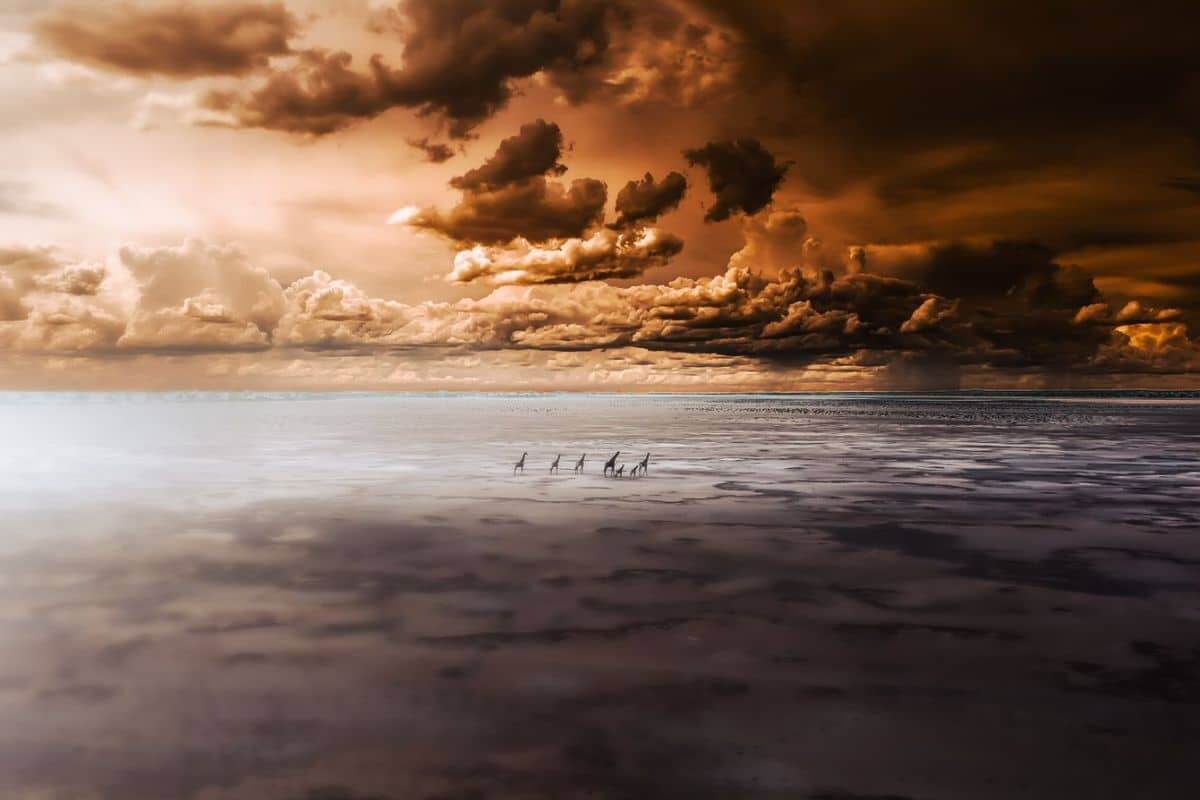
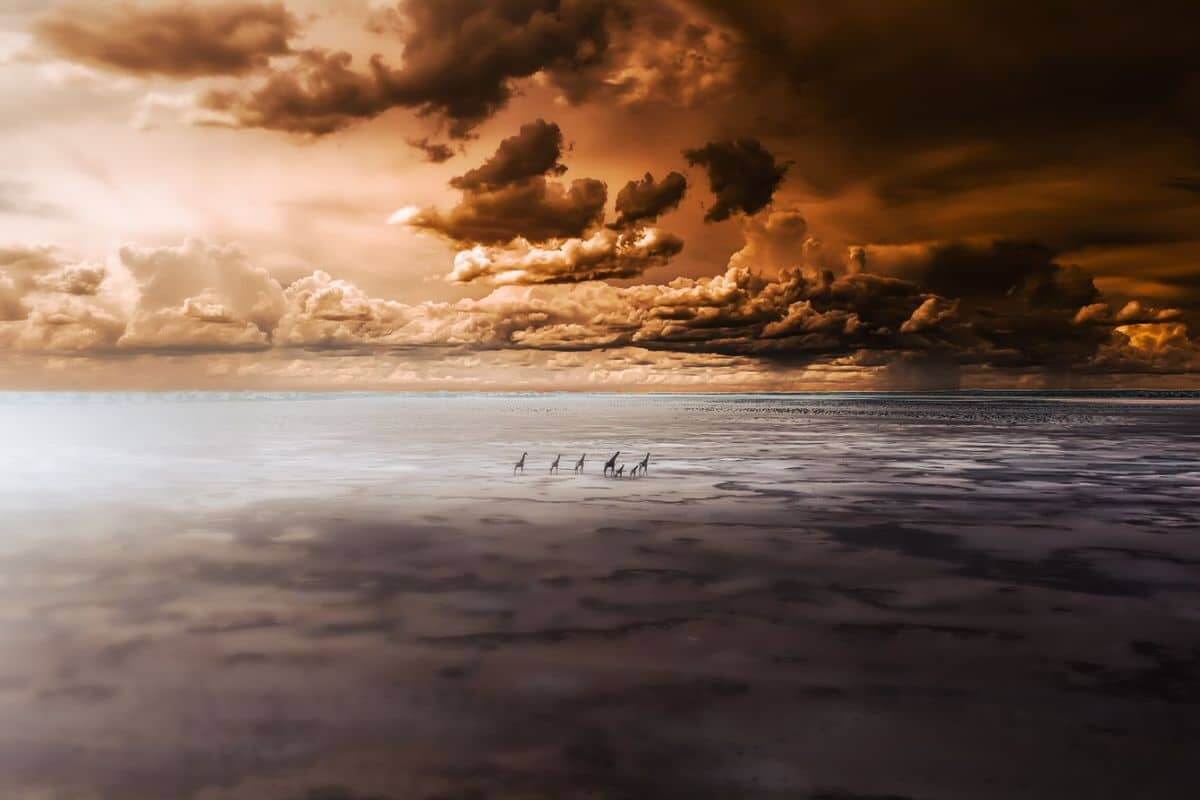
The darkest sky you will photograph under
The NamibRand Nature Reserve was certified in May 2012 as Africa’s first International Dark Sky Reserve, at Gold tier — the strictest category — and was only the second place on Earth to hold that status at the time. There is no light dome anywhere on the horizon, which is rarer than dark skies themselves.
Book your NamibRand or Sossusvlei nights around the moon, not the other way round. A full moon over the Namib is beautiful and completely useless for the Milky Way. Check the phase before you fix the dates — it is the one variable you cannot fix on arrival.
Dust, and what actually matters in the bag
- Do not change lenses outside the vehicle. Namibian dust is fine enough to find any gap, and a sensor clean is not available on the road.
- Two bodies beat a bag of lenses. One wide, one long, both mounted. You will not have time to swap when the light arrives.
- A beanbag on the window frame is more use for game viewing than a tripod. Bring the tripod anyway — the night sky needs it.
- More storage than you think, backed up every night. You will not replace a failed card between Windhoek and the Kunene.
- Charge while you drive. The days are long and the camp power often is not.
Drones are the thing most visitors get wrong. Namibia requires a permit to fly one, and they are banned outright in some national parks — turning up with a drone and no paperwork is a good way to have it confiscated. Read our guide to drone rules and regulations in Namibia before you pack it, not after.
The pictures most people come home without
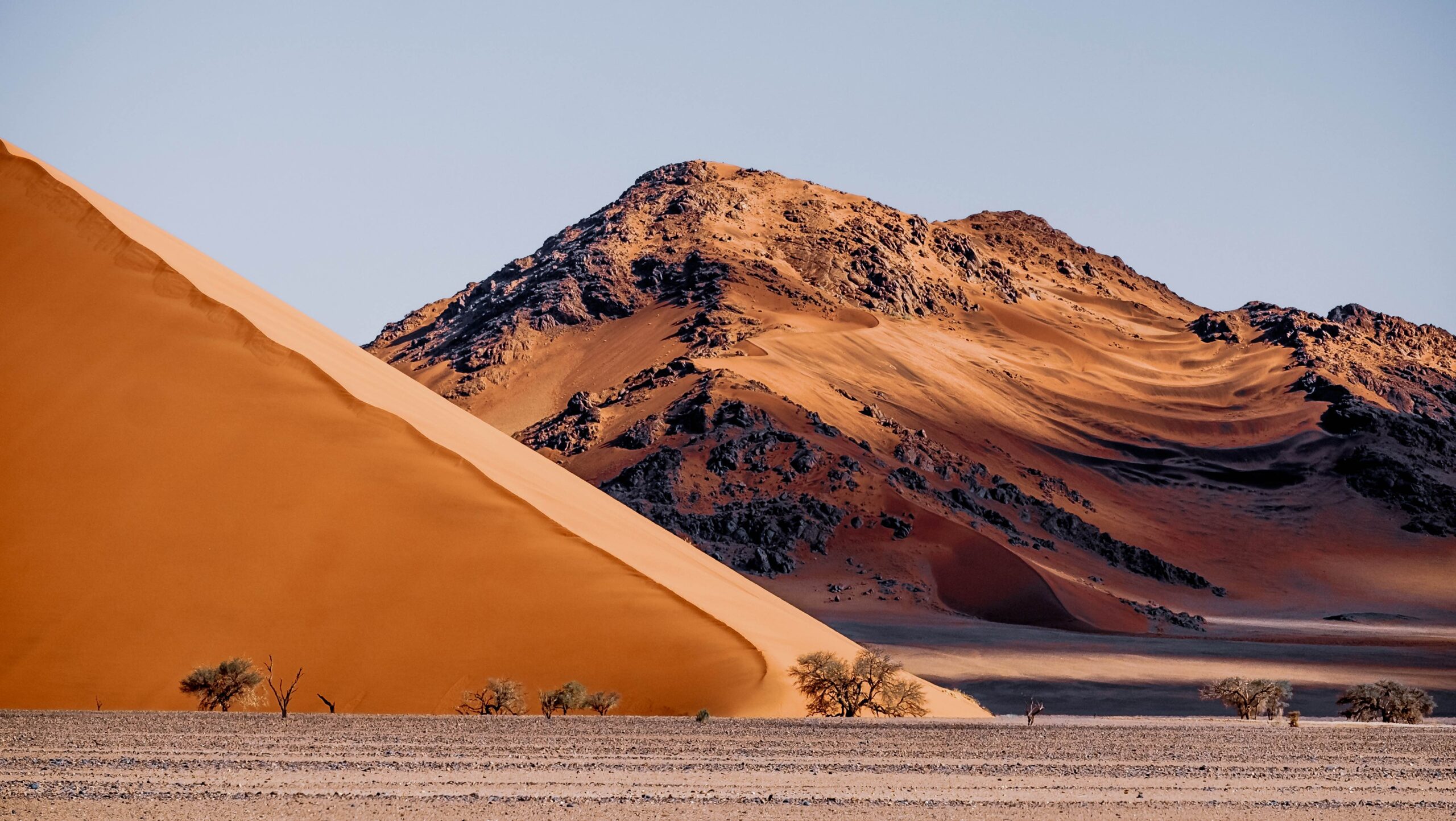
Everyone gets the dune. Almost nobody gets the frame that shows how big it is — a vehicle, a walker, a single camel thorn against the wall of sand for scale — and almost nobody gets the quiet ones: fog on the Skeleton Coast, a bare gravel road running out to the horizon, the light through the canvas at five in the morning. Those are the pictures you will still like in ten years, and they take about four seconds each. You just have to remember to turn around.
One thing that is not a technique. If you want to photograph people — Himba, Herero, anyone — ask first, spend some time, and accept no for an answer. A portrait taken from a moving vehicle is not a portrait, and the person in it did not agree to be in your feed.
Frequently asked questions
What is the best time of day to photograph Sossusvlei?
The first hour after sunrise. The inner Sesriem gate opens an hour before sunrise for guests staying inside the gate, while the outer gate opens only at sunrise — so where you sleep the night before decides whether you get that light. Late afternoon is the fallback and works well on the opposite dune faces.
Can you fly a drone in Namibia?
Not freely. Namibia requires a permit to fly a drone, and drones are banned outright in some national parks. Sort the paperwork before you travel; arriving with a drone and no permit risks having it confiscated at the airport or the park gate.
Where is the best place for night photography in Namibia?
The NamibRand Nature Reserve, certified in May 2012 as Africa’s first International Dark Sky Reserve at Gold tier, the strictest category available, and only the second such reserve on Earth at the time. Pick a moonless night and there is no light pollution on any horizon.
If you would rather not work the gate times out yourself, we build self-drive routes around where the light is, which mostly means putting you on the right side of a gate the night before.
Desert Tracks arranges self-drive and fly-in itineraries across Namibia, Botswana and East Africa. Tell us what you want to photograph and we will build the route around the light. Tell us what you want out of the trip rather than when you can travel, and we will tell you honestly whether your dates fit — including when the answer is that they do not. Get in touch with Desert Tracks.