Best Time to Visit Namibia: Weather, Climate and Safari Tips
The best time to visit Namibia is May to October, the dry winter. Rainfall is near zero, wildlife concentrates at Etosha’s waterholes, and roads are at their best. July and August are the peak — and the coldest, near 6 °C at dawn.
That is the answer most people need, and for a first trip it is the right one. But it is also the answer every other operator gives, and it hides the two decisions that actually change your holiday: whether you are travelling for wildlife or for landscape, and whether you would rather pay peak rates for certainty or half of them for drama. Namibia is one of the few destinations where the “wrong” season is genuinely worth considering.
The short answer, month by month
Temperatures are daily minimum to maximum in the central interior, around Windhoek and Etosha. The coast at Swakopmund runs 8–10 °C cooler year-round and is often fogged in before noon, whatever the month. Rainfall figures are long-term monthly averages; the World Bank’s climatology for Namibia holds the full historical record if you want the raw data.
If your dates are fixed by school holidays in July or August, you have the best game viewing in Africa and the coldest mornings of the Namibian year. Pack a proper jacket, not a fleece. If your dates are open, April, May and October give you 90 per cent of the wildlife at meaningfully lower rates and with far fewer vehicles at each sighting.
Why the dry season wins for wildlife
The mechanism is simple and it is worth understanding, because it explains every other recommendation on this page. Namibia is arid. When the rains stop in about April, the surface water across Etosha’s 22,270 square kilometres begins to disappear. By July there is almost nothing left except a handful of springs and pumped waterholes — and every animal in the park has to come to one of them, usually daily.
You are not looking for wildlife in the dry season. You are sitting at the one place it has to come to, and waiting. The vegetation has thinned out at the same time, so sightlines across the scrub run for hundreds of metres instead of tens. That combination is what produces the photographs people associate with Namibia.
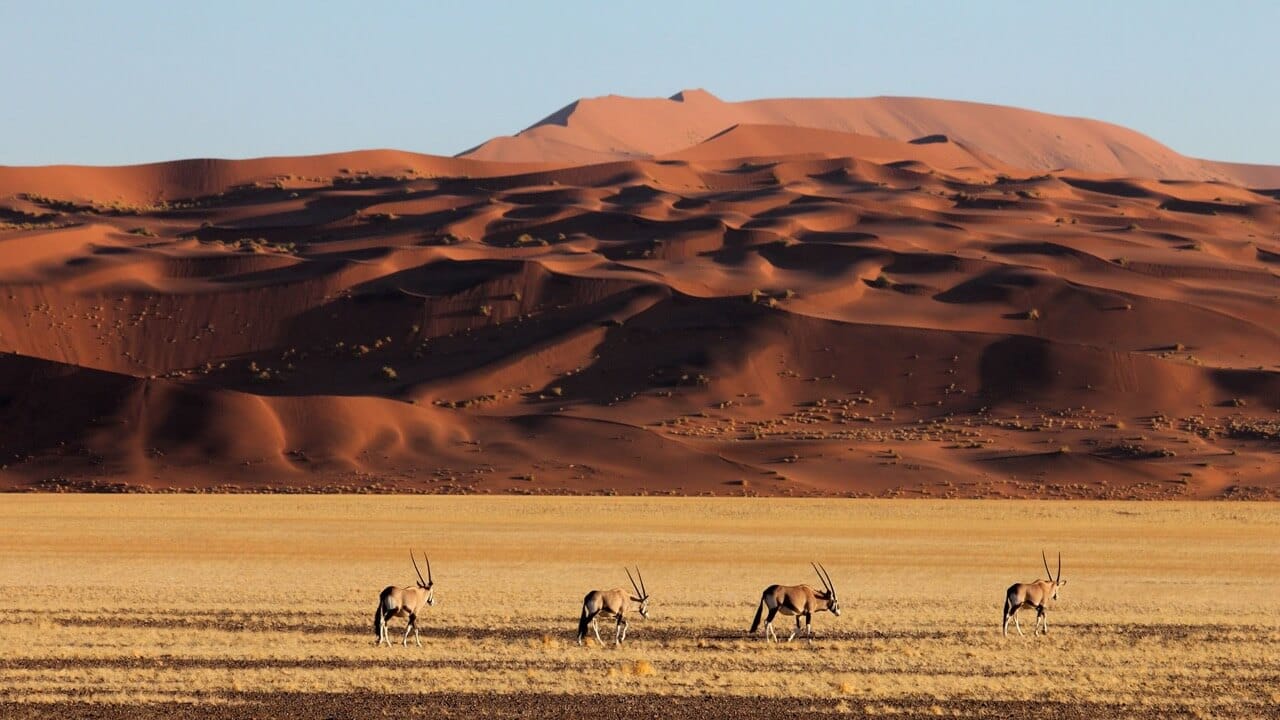
Trips built around this window put their weight on Etosha and Damaraland rather than the dunes, and add a night wherever a floodlit waterhole is on offer. Our 11-day Wildlife of Namibia self-drive safari is shaped that way, and it is the itinerary we push hardest between June and September.
The cold nobody warns you about
Namibian winter is a desert winter: 21 °C at midday and 6 °C at six in the morning, with frost in the Kalahari and the NamibRand. Game drives leave in the dark. Every year visitors arrive with summer clothes because they have read the word “desert” and stopped there, and spend the best hour of the day too cold to hold binoculars.
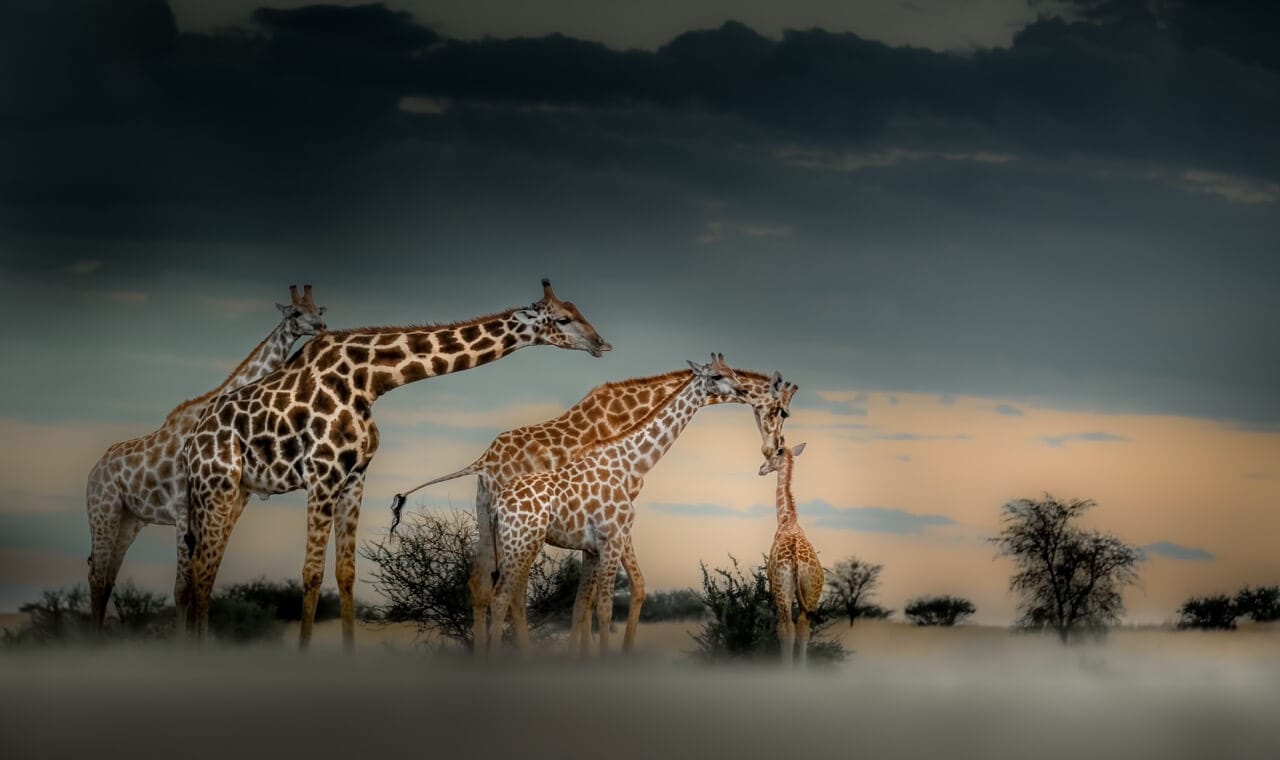
The compensation is the sky. Those same dry, cloudless winter nights give Namibia some of the darkest skies on earth — the NamibRand is a certified International Dark Sky Reserve, one of the few in Africa. In midwinter the Milky Way is bright enough to cast a shadow.
The green season, honestly
January to March is the season operators quietly hope you will not ask about, because it is harder to sell and the honest description contains the word “fewer”. So here it is plainly: you will see fewer animals, and you will see them less easily. Water is everywhere, so nothing is obliged to come to a waterhole, and the grass is high enough to hide a lion at thirty metres.
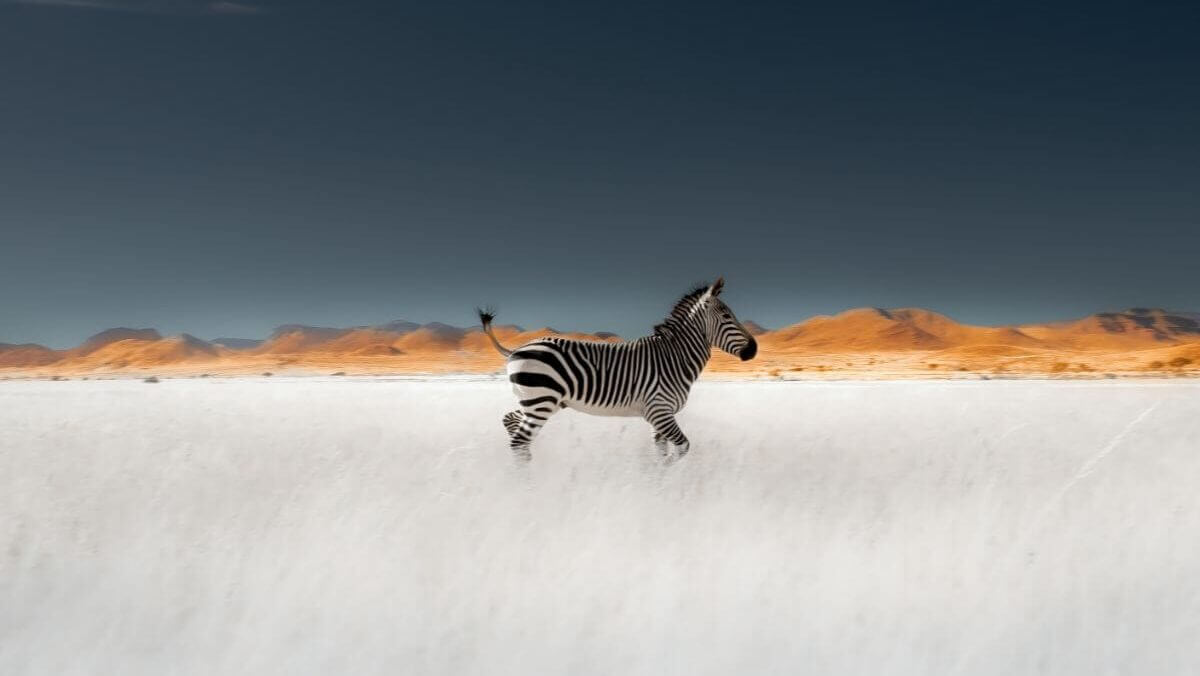
What you get instead is a country most visitors never see. The gravel plains turn green. Thunderheads build over the Namib in the afternoon and the light under them is extraordinary — every serious landscape photographer we take out asks for February. Migrant birds arrive and the species count roughly doubles. Springbok, zebra and wildebeest drop their young, so the plains are full of newborns and the predators that follow them. Rates fall by a third or more, and you can have Sossusvlei at sunrise with three other cars instead of thirty.
The real green-season risk is not rain, it is water across a road. Namibian rivers are dry riverbeds for eleven months and then run for six hours. A flooded crossing in Damaraland or the Kaokoveld can cost you a day, and a fixed itinerary with a non-refundable lodge at the far end has no slack in it. If you travel January to March, build in a spare day — or let us build the route so the long unsurfaced sections come early, while there is still room to reshuffle.
If the green season appeals, read our month-specific write-up on Namibia in February before you commit — it is the wettest month and the clearest test of whether the trade suits you.
Choosing by what you came for
Most month-by-month guides stop at the weather. The more useful question is what you want out of the trip, because different answers point at different months:
- Wildlife above all — July, August, September. Nothing else is close.
- Landscape and photography — February and March for storm light and green plains; April and May for clear air with the colour still in the ground.
- First trip to Africa, wants everything to work — May or October. Dry, warm enough, roads good, camps not yet full.
- Best value — November. Hot, but the rains have barely started, game is still concentrated and rates have already dropped.
- Stargazing — June and July, new moon. The driest, clearest air of the year.
- Families with young children — April, May or September. Comfortable temperatures matter more than peak game density when a five-year-old is in the vehicle.
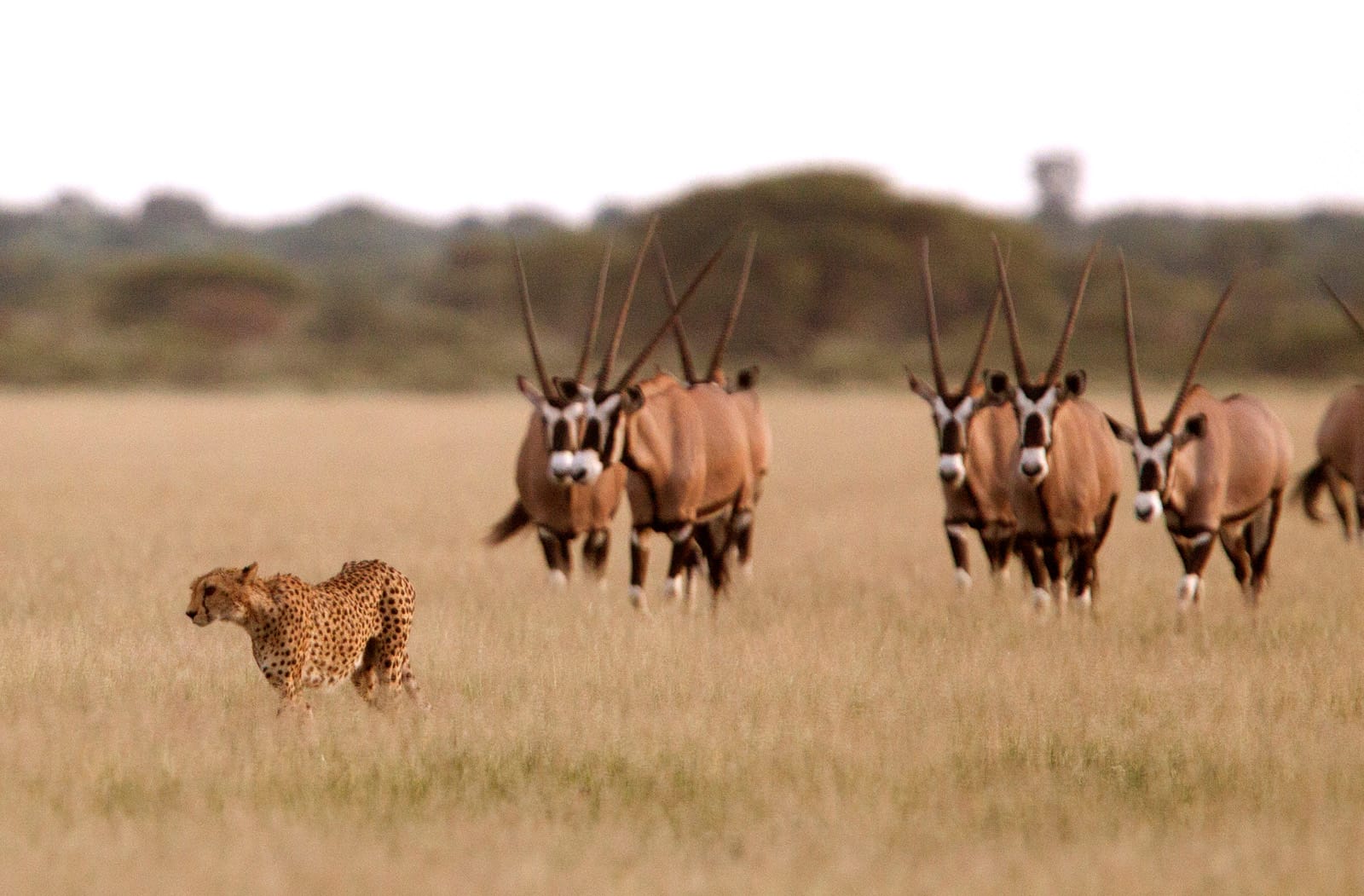
Region matters too, and it cuts against the simple rule. Swakopmund and the Skeleton Coast are cold and fogged for much of the winter, so the coast is often more pleasant in the shoulder months than in July. Fish River Canyon in the far south is genuinely dangerous in midsummer heat and the hiking trail closes. Our guide to the best weather in Namibia to travel in breaks the country down region by region rather than month by month.
Frequently asked questions
What is the single best month to visit Namibia?
September. It has the game concentration of peak winter without the dawn cold of July, the roads are dry, and the light is clean before the October heat builds. The trade-off is that everyone else knows it too, so the best lodges near Etosha and Sossusvlei are typically full six to nine months ahead.
What is the worst month to visit Namibia?
February, if your priority is wildlife — it is the wettest month, water is everywhere and game is at its most scattered. January is close behind. But February is also the best month in the country for landscape photography, so “worst” depends entirely on why you are coming.
How cold does Namibia get in winter?
In the central interior, around 6 °C at dawn in June and July, rising to 21–22 °C by mid-afternoon. The Kalahari and the NamibRand regularly drop below freezing overnight. You need a genuine warm jacket, a hat and gloves for early game drives, and short sleeves for the middle of the day.
Is it worth visiting Namibia in the rainy season?
Yes, for the right traveller. You trade game density for green landscapes, dramatic skies, newborn animals, double the bird species, a third off the rates and near-empty parks. If it is your first African safari and you want guaranteed sightings, wait for the dry season. If you have been before, or you are coming for the scenery, the green season is the better trip.
How far in advance should I book?
Nine to twelve months for June to October, and longer if you want specific lodges inside Etosha or at Sesriem, which are run by Namibia Wildlife Resorts and sell out first. Green season can usually be arranged three to four months out. Namibia has a small bed base spread across a very large country, and when a lodge is full the next one may be 200 km away.
Still deciding? Tell us what you want out of the trip rather than when you can travel, and we will tell you honestly whether your dates fit — including when the answer is that they do not. Get in touch with Desert Tracks.