Namibia in February – Peak of the Rains, Greenest Country, Quietest Roads
February is Namibia’s wettest and greenest month. Windhoek averages 31°C by day and 17°C at night with about 80mm of rain; the north gets 140mm, the highest of the year. The coast stays dry near 21°C. It is the cheapest and quietest month to travel., the dry winter. Rainfall is near zero, wildlife concentrates at Etosha’s waterholes, and roads are at their best. July and August are the peak — and the coldest, near 6 °C at dawn.
February is the month almost nobody books and the one we most often try to talk people into. It is the wettest month of the year, which is exactly why the country looks like nothing you will see in July — green to the horizon, thunderheads stacked over red dunes, newborn springbok everywhere and the roads empty. The honest cost is that Etosha becomes hard work. If your trip lives or dies on game viewing, come in August. If it doesn’t, February may be the best value in African travel.
Namibia in February: the numbers
Long-term monthly averages from Climates to Travel, cross-checked against the Windhoek normals on Weather Atlas. The north column carries the highest rainfall figure of any month, anywhere in the country.
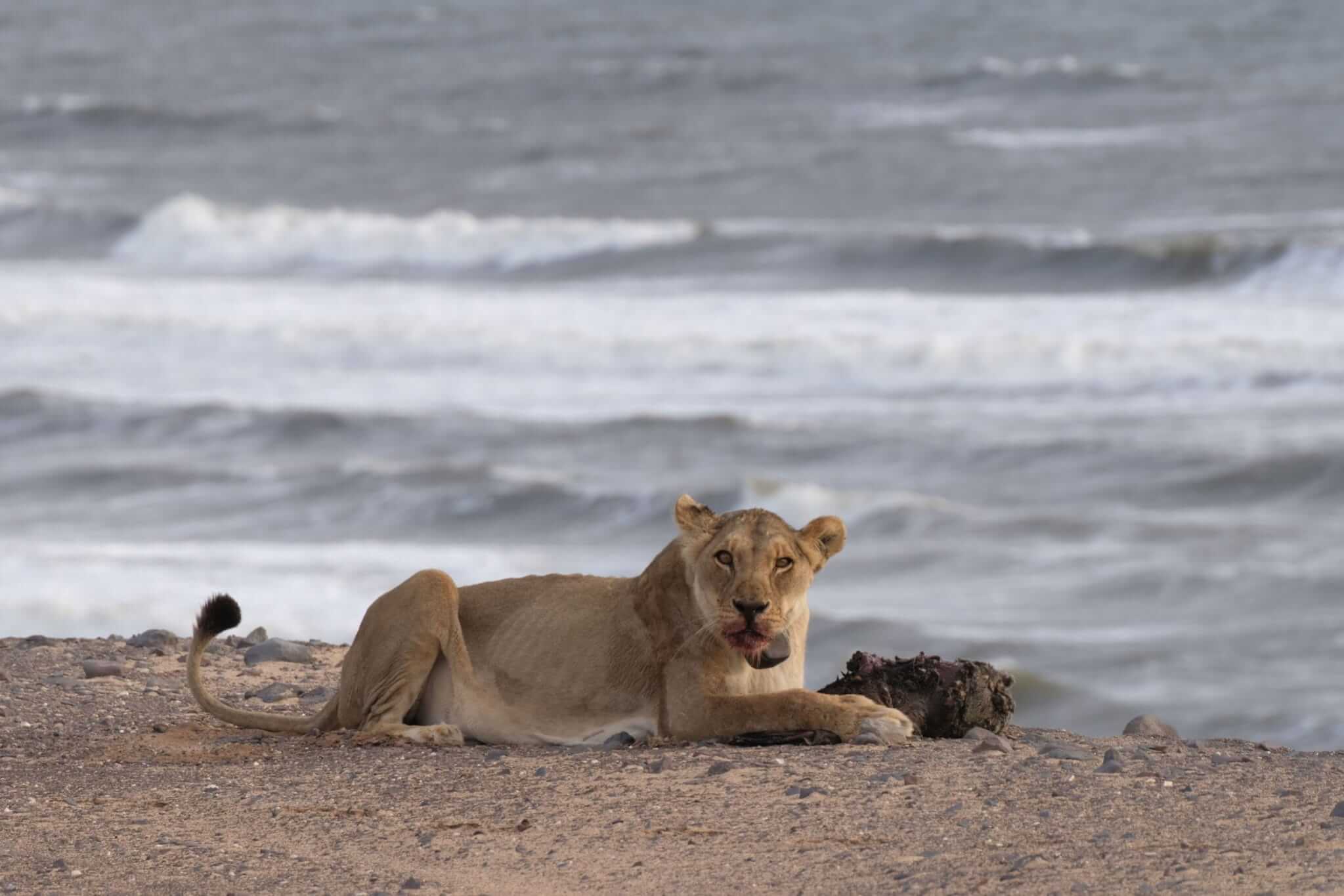
Swakopmund gets no measurable rain in February and sits around 21°C. While the interior is thundering, the coast is cool, dry and slightly grey in the mornings. Any February route that needs a guaranteed dry leg puts it here.
What the peak of the rains actually gives you
- The greenest country of the year. Grass, flowering shrubs and full riverbeds in a landscape most people only ever see beige.
- Calving season. Springbok and other antelope drop their young, and the predators concentrate around them — the one wildlife spectacle February does better than the dry months.
- Birding at its best. The summer migrants are all in, and the ephemeral pans fill with waterbirds that are not here in July.
- Skies worth photographing. Storm light on red dunes is the picture that separates a Namibian portfolio from a postcard.
- Nobody else. Lowest rates of the year, no queues at Sesriem, no convoy at the waterholes.
The honest cost
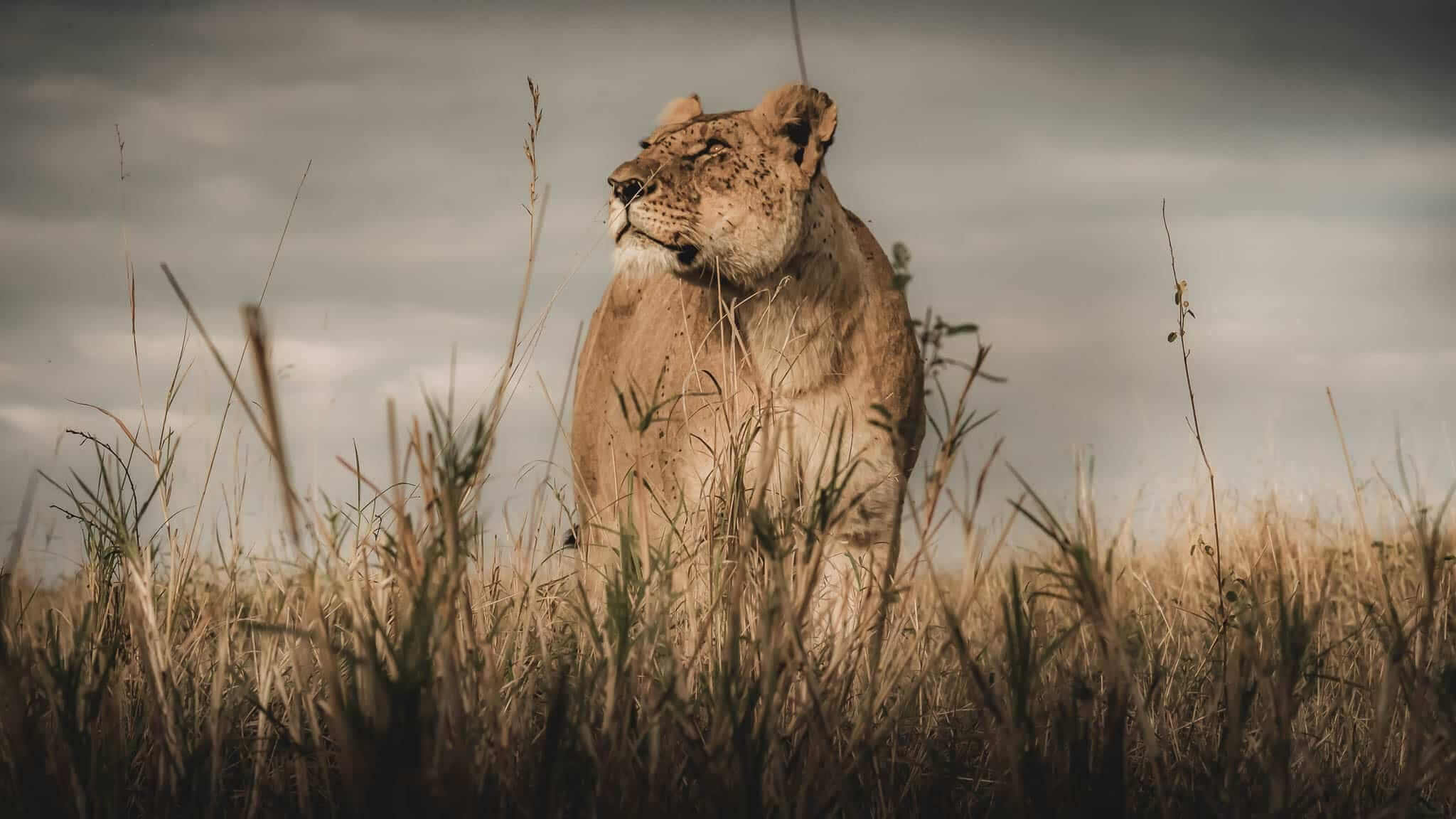
Game viewing is at its hardest all year. With surface water in every pan and the grass at its tallest, nothing has to come to a waterhole and plenty of it is invisible from the road. Sightings are down and effort is up. Some lodges in the far north close for part of the season, and a few of the private camps run reduced operations. Heat and humidity are higher than the temperature column suggests, particularly in the north.
Malaria is at its seasonal peak in February in the north and north-east — Etosha’s fringes, Kavango and the Zambezi — within a risk window that runs roughly November to June. Talk to a travel clinic before you book, not after, and factor it into whether the northern legs belong in a February itinerary at all.
What it costs, and where to point the route
February sits in the green-season band on every published rate card, which is where the savings are largest. Kwessi Dunes is N$10,845 per person per night against N$20,495 at peak; Hoanib Valley Camp N$15,995 against N$25,995; Wolwedans Dune Camp N$13,550 against N$14,900. Point the route at the places rain improves rather than ruins: the Namib and Sossusvlei, the Kalahari, the coast, and Damaraland.

January is the slightly drier start of the same season, and our month-by-month weather guide compares all twelve. If February suits you, our 18-day self-drive itinerary can be reweighted towards the coast and the Namib.
Frequently asked questions
Is February a good time to visit Namibia?
It is the greenest and quietest month, and the cheapest. Windhoek averages 31°C by day and 17°C at night with about 80mm of rain, and the north around 140mm — the wettest figure of the year. If you want landscapes, skies and solitude it is superb. If you want waterhole game viewing, it is the worst month of the twelve.
Is February the wettest month in Namibia?
In the north, yes — Tsumeb and the Etosha side average about 140mm, the highest monthly figure anywhere in the country. Windhoek averages around 80mm. The coast at Swakopmund gets essentially none, and sits at about 21°C all month.
Can you still drive Namibia’s gravel roads in February?
Usually yes. Namibian gravel drains quickly and the rain falls as afternoon storms rather than all day. The real hazard is a river crossing running after a storm upstream, sometimes under a clear sky where you are standing. Never drive into moving water, and build slack into the day.
Desert Tracks arranges self-drive and fly-in itineraries across Namibia, Botswana and East Africa. February is the month we most often talk people into. Send us your dates and we will show you why. Tell us what you want out of the trip rather than when you can travel, and we will tell you honestly whether your dates fit — including when the answer is that they do not. Get in touch with Desert Tracks.