How to Say Hello in Namibia – Greetings in the Languages You’ll Actually Hear
English is Namibia’s official language but the home language of almost nobody. Oshiwambo is spoken in 49% of households, Nama/Damara 11%, Afrikaans 10%, Kavango 9%, Otjiherero 9%. Greetings matter here: starting a conversation without one is rude., the dry winter. Rainfall is near zero, wildlife concentrates at Etosha’s waterholes, and roads are at their best. July and August are the peak — and the coldest, near 6 °C at dawn.
Namibia runs on English officially and on about ten languages actually. Nobody expects a visitor to speak any of them, which is exactly why an attempt lands so well — and why the single most useful thing in this article is not a word at all, but the etiquette rule underneath it. In much of Namibia you greet first and get to the point second. Walking up to someone and opening with a question reads as abrupt in a way that is easy to avoid.
Which languages, and where
Namibia’s national language policy for schools teaches ten Namibian languages alongside English: Afrikaans, Juǀʼhoansi, Khoekhoegowab, Oshikwanyama, Oshindonga, Otjiherero, Rukwangali, Rumanyo, Setswana, Silozi and Thimbukushu. The census records home language rather more coarsely.
These are 2011 census figures, quoted using the census’s own category names. The 2023 census did not publish a national language table, so 2011 remains the last citable national data. “Kavango” is a group of languages — RuKwangali, Rumanyo, Thimbukushu and others — not a single one.
Oshikwanyama — the north
Oshiwambo has eleven or twelve dialects depending on who is counting; Oshindonga and Oshikwanyama are the two standardised written forms. The Oshikwanyama greetings are time-specific and their literal meanings are lovely:
- Wa lele po? — good morning. Literally: *did you lie down last night?*
- Wa uhala po? — good afternoon. Literally: *did you spend the afternoon?*
- Wa tokelwa po? — good evening. Literally: *did the sky become white for you at dusk?*
- Ehee — yes. The answer to all three, always.
- Ongaipi — informal hello, any time of day. Onawa — good.
- Enda po nawa — go well. Kala po nawa — stay well.
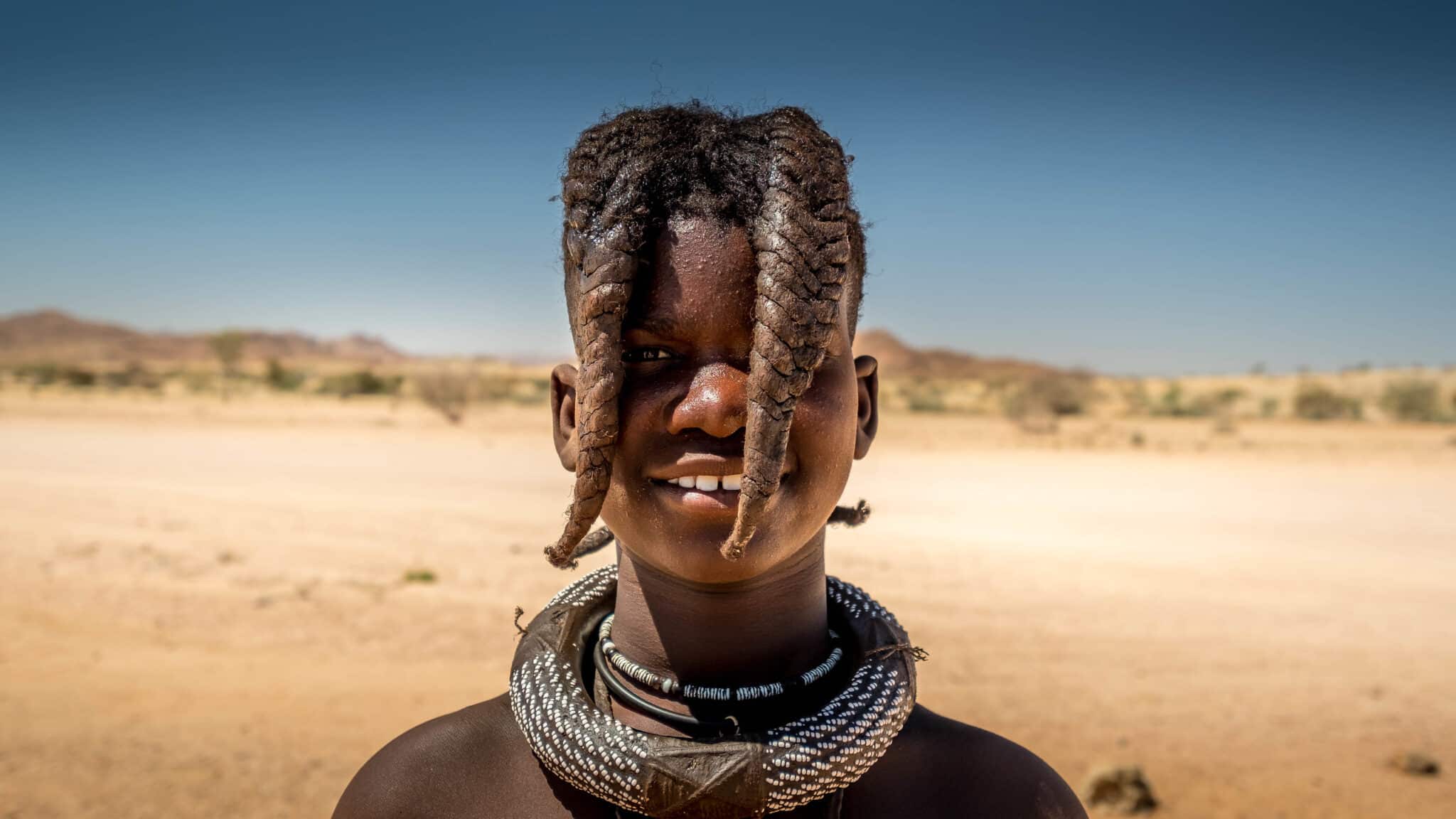
Khoekhoegowab — the south, and the clicks
Khoekhoegowab, the Nama and Damara language, is the one visitors find hardest and remember longest, because it uses click consonants. There are four click places — dental ǀ, alveolar ǃ, palatal ǂ and lateral ǁ — each combining with five manners of articulation, giving roughly twenty distinct click sounds. English has none.
- ǃGâi ǁGoas — good morning (formal). Moro — morning (informal).
- ǃGâi Tses — good afternoon. ǃGâi ǃOes — good evening.
- Matisa? — what’s up? Answer: ǃGâi a — I’m fine.
- Mî du re? — how are you?
The physical descriptions help more than the names. The dental click presses the tongue tip against the front teeth and withdraws it sharply. The lateral click is made at the side of the tongue. The alveolar click is the one that sounds like a cork leaving a bottle. Namibian linguists are, incidentally, still actively arguing about how these sounds should be described and written — so if you get them wrong you are in respectable company.
RuKwangali and Setswana
RuKwangali, in Kavango: Morokeni is good morning, Metaha covers roughly eleven to three, and Ngurova is used after dark. Ngapi? means how are you, answered Nawa — fine. If someone assumes you speak no RuKwangali, Kundeninge — literally *greet me* — usually changes the mood of the conversation.
Setswana, spoken in Omaheke along the Botswana border: Dumela mma to a woman, Dumela rra to a man, Dumelang to a group. Roughly *doo-MEH-lah*.
The etiquette matters more than the vocabulary
- Greet before you ask. Two separate Namibian language manuals state it plainly: greet before starting a conversation, whether in person, on the phone or by message.
- Greet elders first, before anyone else in the group.
- The handshake is lighter than you expect, and often given with the left hand supporting the right elbow or forearm — a mark of respect worth copying.
- Younger people mark respect physically — women by bending slightly at the knee, men with a nod of the head. Customs vary between communities.
- Say the greeting even if you fumble the rest. Nobody minds the accent.
Why English, when almost nobody speaks it
At independence in 1990, English was the first language of 0.8% of Namibians. It became the sole official language anyway, and the reason was political rather than practical. Afrikaans had been the language of the South African administration and was rejected as the language of the oppressor. SWAPO had proposed English as far back as 1975, and the UN Institute for Namibia argued in 1981 that a language belonging to no Namibian group would steer the country away from what it called lingo-tribal affiliations. By the 2011 census English had risen to about 3.4% of households — still a small number for an official language.
What we have deliberately left out
There are no Otjiherero or Silozi greetings on this page, and their absence is on purpose. We could not verify them against a source we trust — the only ones we found came from uncredited phrasebook pages — and publishing a greeting wrong in somebody’s own language is worse than publishing nothing. We would rather have this gap than guess. It is being corrected with native speakers, and this page will be updated.
If you want the wider picture, who actually lives in Namibia covers the groups behind these languages, and religion in Namibia covers the missionary history that shaped how several of them came to be written down. Or come with us — our guided and self-drive routes put you with people who speak them properly.
Frequently asked questions
What language do they speak in Namibia?
English is the official language, but very few Namibians speak it at home. At the 2011 census the most common home languages were Oshiwambo at 49% of households, Nama/Damara at 11%, Afrikaans at 10%, Kavango at 9% and Otjiherero at 9%.
Why is English the official language of Namibia if almost nobody speaks it?
It was a deliberate choice at independence. Afrikaans was the language of the South African administration and was rejected as the language of the oppressor. SWAPO had proposed English since 1975, and the argument was that a neutral language would avoid favouring any one Namibian group. At independence English was a first language for only 0.8% of the population.
How do you say hello in Oshiwambo?
In Oshikwanyama the greeting depends on the time of day: Wa lele po in the morning, Wa uhala po in the afternoon, Wa tokelwa po in the evening. The answer to all three is Ehee — yes. Informally, Ongaipi works at any hour.
Desert Tracks arranges self-drive and fly-in itineraries across Namibia, Botswana and East Africa. Our guides speak the languages of the areas they work in, which is worth more than any phrasebook. Tell us what you want out of the trip rather than when you can travel, and we will tell you honestly whether your dates fit — including when the answer is that they do not. Get in touch with Desert Tracks.