Namibia’s Green Season, Honestly: January to April
The green season (January to April) trades hotter, wetter days and harder-to-spot game for green landscapes, newborn animals, prime birding, fewer visitors and lower prices.
Namibia’s green season is the part of the year the brochures skim over, and the trade-offs are real in both directions. Here is what January to April is actually like, the rain, the heat, the wildlife and the value, so you can decide whether it suits your trip.
The weather, month by month
Rain comes mostly as short afternoon showers and localised thunderstorms, which Expert Africa notes are more common in the centre and east than in the desert. Rain in Namibia is regional: in Wilderness Travel’s climate figures, Windhoek gets about 91 mm in February and Etosha about 91 mm in March, while Sossusvlei gets around 5 mm a month right through the season.
Wildlife: the honest trade-off
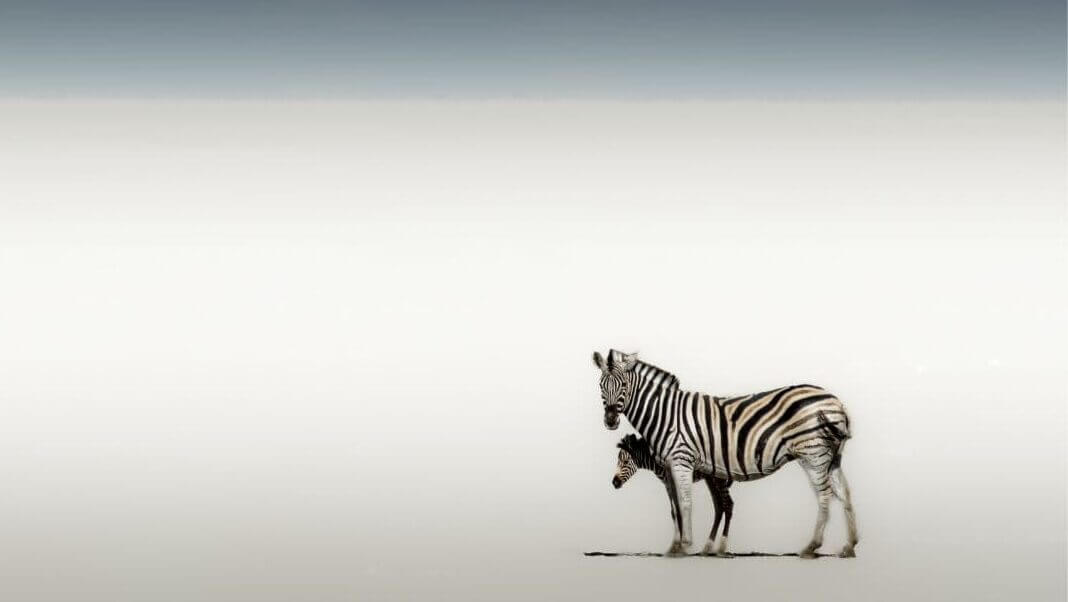
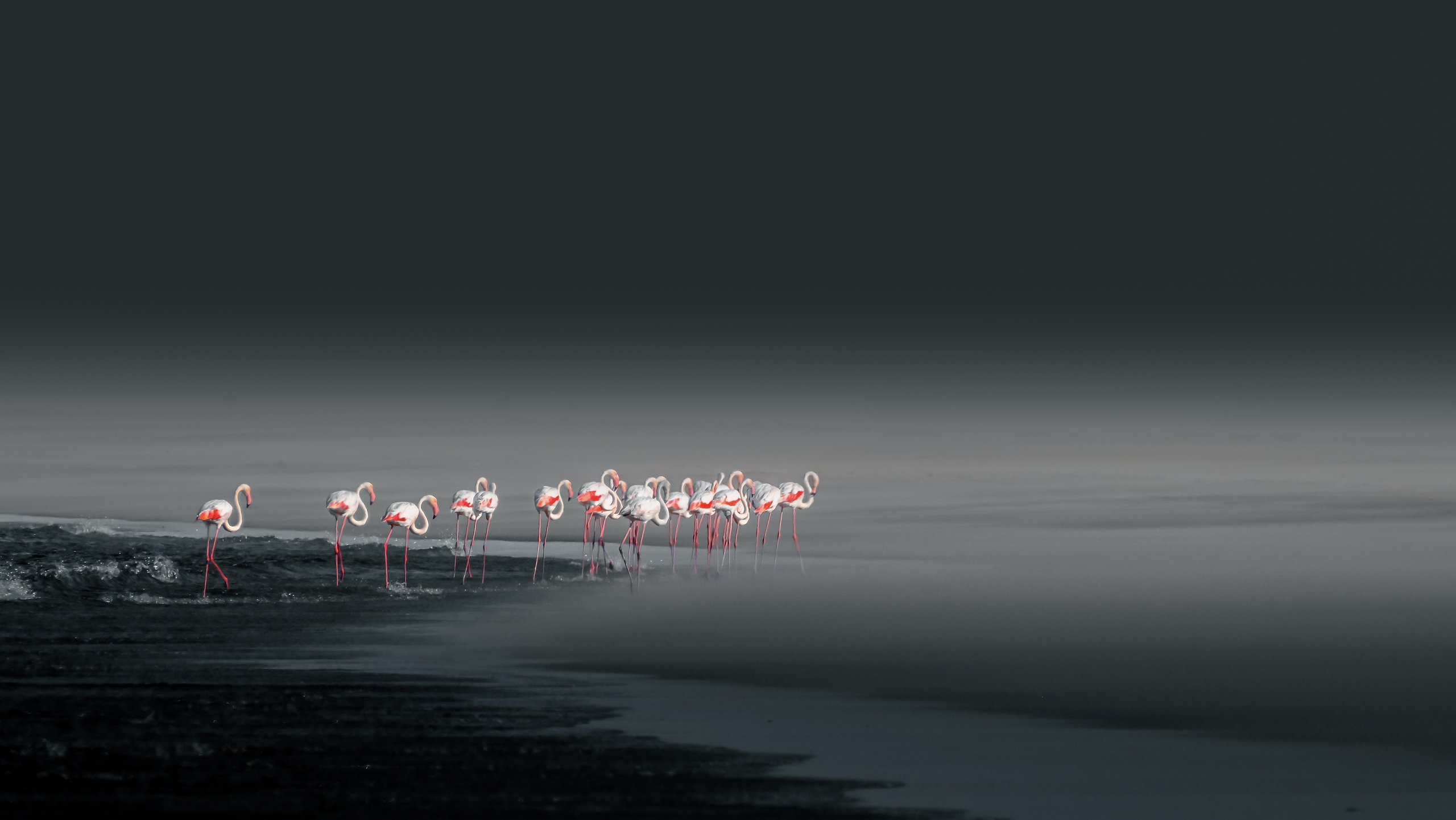
With water everywhere, the lush landscape makes wildlife harder to spot than in the dry months, when game concentrates at waterholes. What you gain is the calving season, with newborns arriving in force in February, and prime birdwatching: Wilderness Travel counts up to 450 species, including thousands of flamingos at Swakopmund. If a waterhole-heavy trip is your priority, our guide to the best time to visit Namibia weighs the seasons against each other.
Value and crowds
Green season is the quiet end of the year, with fewer travellers in the landscape. Wilderness Travel prices its own two-week green-season safari at over US$1,500 per person less than a similar peak-season trip. Expert Africa describes April as a fresh, green month with some rain, before the dry season sets in. For the fuller picture, see our month-by-month Namibia weather guide and the detail for March.
Frequently asked questions
Is the green season a bad time to visit Namibia?
No, it is a trade-off. You get green landscapes, dust-free skies, newborn animals, prime birdwatching, fewer visitors and lower prices, in exchange for hotter days and wildlife that is harder to spot.
Does it rain all day in the Namibian summer?
Rarely. Rain tends to come as short afternoon showers or localised thunderstorms. February is among the wettest months; Windhoek averages about 91 mm.
Can you still see wildlife in the green season?
Yes, but the lush landscape makes it harder to spot, so sightings take more patience. The upside is the calving season, with newborns arriving in force in February, and prime birdwatching.
Is Sossusvlei wet in the green season?
Barely. Rain in Namibia is regional: it is more common in the centre and east, while Sossusvlei averages only around 5 mm a month even from January to March.
Desert Tracks plans self-drive and fly-in Namibia safaris from our base in Swakopmund. Get in touch and we will help you build the route.