Responsible Tourism in Namibia: Where the Money Goes
Namibia’s communal conservancies earned N$166,855,933 in 2023, two thirds of it from tourism. Of that, N$28,026,553 was distributed to residents as cash. Staying in a joint-venture or conservancy-owned lodge is the clearest way a visitor affects that figure., the dry winter. Rainfall is near zero, wildlife concentrates at Etosha’s waterholes, and roads are at their best. July and August are the peak — and the coldest, near 6 °C at dawn.
Responsible tourism advice usually stops at short showers and reusing towels. In Namibia there is something more concrete to say, because the country publishes the numbers: what conservancies earn, what they earn it from, and how much of it actually reaches the people living alongside the wildlife. Those numbers are good news and awkward news at the same time.
The money, in full
Namibia’s environment ministry and NACSO publish conservancy performance annually, and the 2023 accounts break down cleanly.
That last line is the one worth sitting with. Roughly one Namibian dollar in six of conservancy income reaches residents as cash. The rest pays running costs, salaries for the 1,057 conservancy employees and 767 community game guards, and reinvestment in the enterprises themselves. Residents also received 90,116 kg of game meat in 2023. Whether that split is right is a fair argument to have; pretending the gross figure is what communities receive is not.
Where you sleep is the lever
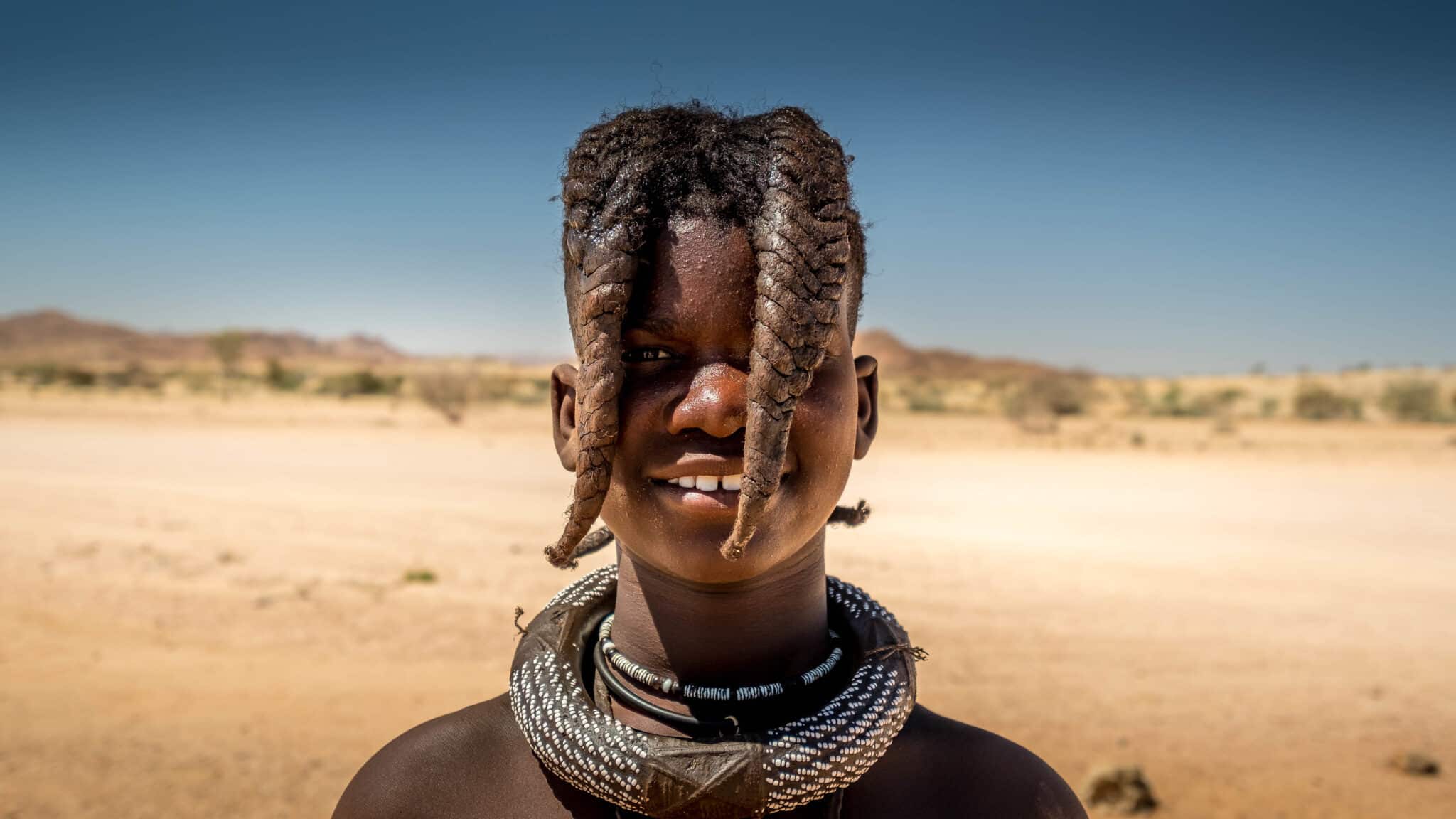
Tourism is two thirds of that income, which makes accommodation the single most direct way a visitor moves the number. The mechanism is the joint venture: the conservancy retains ownership of the land and contracts a private operator to build and run a lodge under a negotiated agreement covering revenue share and employment. There were 74 such agreements in 2023, up from 54 in 2017, employing 934 full-time and 104 part-time or seasonal staff. A smaller number of conservancies own and run their own lodges outright, contracting in only management.
Fifty-seven conservation-hunting concessions operated alongside them, employing 165 full-time and 80 seasonal staff. The practical point for a traveller is simple: a lodge inside a conservancy is not automatically a joint venture, and the difference determines whether your bed-night reaches the conservancy’s books. It is a fair question to ask before booking.
The part that is genuinely contested
Hunting contributed N$51.4 million to conservancy income in 2023, and that is a real number from a credible source. Set against it is a 2016 study commissioned by Namibia’s environment ministry and a German NGO, which found that across the country’s entire trophy-hunting industry, 92% of revenue went to freehold landowners — over 70% of them white — while under 8% went to communal conservancies.
Those two findings are not in direct contradiction: one describes conservancy income, the other describes the national industry and who owns the land it happens on. But read together they make a point that neither makes alone, which is that the conservancy share of Namibian hunting is small relative to the whole. Separate reporting from 2019 raised questions about distribution within individual conservancies, and noted the ministry had moved to require conservancies to spend at least half of hunting and tourism income on community development. The 2016 and 2019 material is older than the 2023 accounts and should not be read as describing them.
Coexistence has a price and it is paid locally. Namibia has spent about N$45 million on human-wildlife conflict compensation since 2019, with Kunene worst affected. In January to April 2026 alone, the Zambezi region recorded 132 livestock attacks and around 150 hectares of crops destroyed, mostly by elephants and buffalo. Compensation rates rose on 1 September 2024 — cattle from N$3,000 to N$5,000, goats from N$500 to N$800, crop damage from N$1,000 to N$2,000 per hectare — while the payment for a human death remained at N$100,000, unchanged since 2018.
What a traveller can actually do
Four things hold up. Ask whether a lodge is a joint venture with the conservancy it sits in, and choose accordingly. Look for Eco Awards Namibia certification, which rates establishments on a one-to-five flower scale with a separate five green flowers tier and was confirmed active and updating as of December 2025. Treat water as the scarce resource it is in the driest country south of the Sahara — though it is worth noting that no credible per-guest water-use figure for Namibian lodges is published, so anyone quoting you one is guessing. And buy locally made craft and plant products, which are a small but real line in conservancy income.
There is also a longer-term development worth knowing about. In May 2026 Namibia and a coalition led by WWF, the Bezos Earth Fund, the Global Environment Facility, Germany’s BMZ and KfW and others launched Namibia for Life, securing N$1 billion — around US$63 million — in long-term endowment funding for community conservation across more than 20 million hectares and 87 conservancies, intended to benefit roughly 283,000 people. The point of it is to replace year-to-year donor dependency with permanent finance.
The conservation outcomes this money is meant to protect are covered in our guide to Namibia’s wildlife conservation, and if you want to see which properties sit where, the lodge round-up is the place to start. A route through the north-east spends most of its nights in conservancy country, which is where the model is actually visible.
Frequently asked questions
How much money do Namibia’s conservancies actually earn?
N$166,855,933 in returns and benefits in 2023 — N$111,167,250 from tourism, N$51,419,537 from conservation hunting including the value of meat, N$1,194,835 from indigenous plant products and N$3,074,311 miscellaneous. A further N$19,441,133 came in as grants.
How much of that reaches residents as cash?
N$28,026,553 in 2023. The remainder covers conservancy running costs, wages and reinvestment. Residents also received 90,116 kg of game meat.
What is a joint-venture lodge?
The conservancy keeps ownership of the land and contracts a private operator to build and run the lodge under a negotiated agreement covering revenue share and employment. There were 74 such agreements in 2023, employing 934 full-time and 104 part-time staff.
Is trophy hunting income really going to communities?
It is contested. NACSO’s 2023 figures show hunting contributing N$51.4m to conservancy income. A 2016 study commissioned by the environment ministry and a German NGO found that across Namibia’s whole trophy-hunting industry, 92% of revenue went to freehold landowners and under 8% to communal conservancies. Those describe different things — national industry versus conservancy income — and both are worth knowing.
Is there an eco-certification scheme in Namibia?
Yes. Eco Awards Namibia rates accommodation, tour operators and others on a one-to-five flower scale with a separate five green flowers tier for top performers. It was confirmed active and updating as of December 2025.
What is Namibia for Life?
A conservation financing deal launched in May 2026 by Namibia with WWF, the Bezos Earth Fund, the Global Environment Facility, Germany’s BMZ and KfW and others, securing N$1 billion — about US$63 million — in long-term funding covering more than 20 million hectares and 87 conservancies.
Desert Tracks can tell you which lodges on a proposed route are joint ventures with the conservancy they sit in. Ask us — it is a reasonable thing to want to know. Tell us what you want out of the trip rather than when you can travel, and we will tell you honestly whether your dates fit — including when the answer is that they do not. Get in touch with Desert Tracks.