What is Namibia known for?
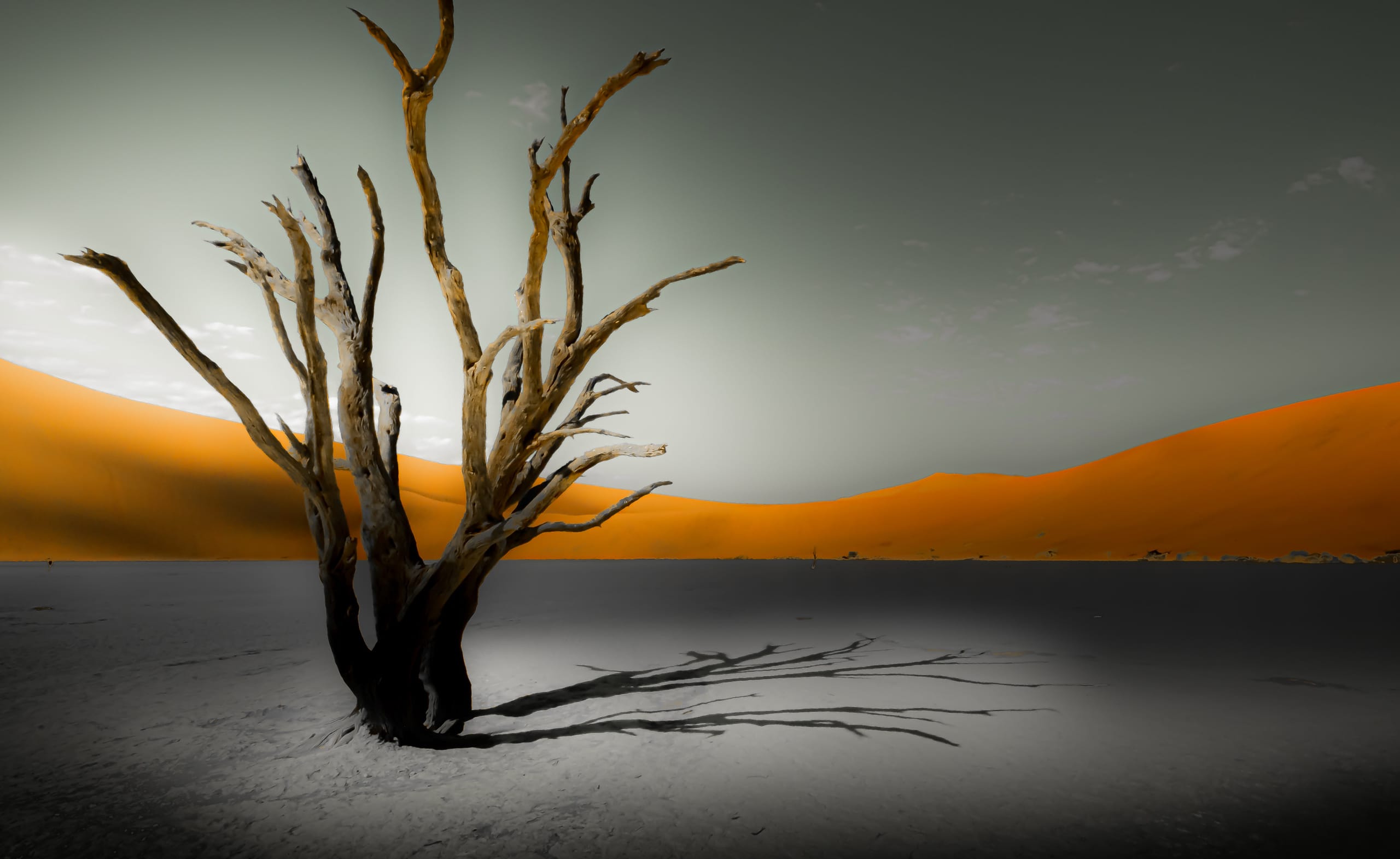
Sand and space. Namibia is known for the dunes at Sossusvlei, the shipwrecks of the Skeleton Coast, Etosha’s waterholes, desert-adapted elephant and lion, and being one of the emptiest countries on earth.
Ask ten people and you will get dunes, and they are not wrong. But the things that make Namibia genuinely unusual are less photogenic than the dunes and more interesting: a capital that drinks its own recycled water, lions that hunt seals, and a national park that holds most of a country’s black rhino. Here is the honest list.
The ones everybody knows
The ones that are more interesting
Windhoek has been drinking its own recycled wastewater since the 1960s. The Goreangab plant was the first in the world to recycle municipal wastewater into drinking water, and six decades later it still works. Etosha, meanwhile, holds around 72 per cent of Namibia’s black rhino, which is why drones are banned there outright. And along the rivers of the north-west, roughly a hundred lions have learned to walk to the beach and hunt seals.
- Recycled drinking water in the capital, longer than anywhere else on earth.
- Around 100 to 110 desert-adapted lions in the north-west, some of which hunt Cape fur seals.
- Most of the country’s black rhino concentrated in one park.
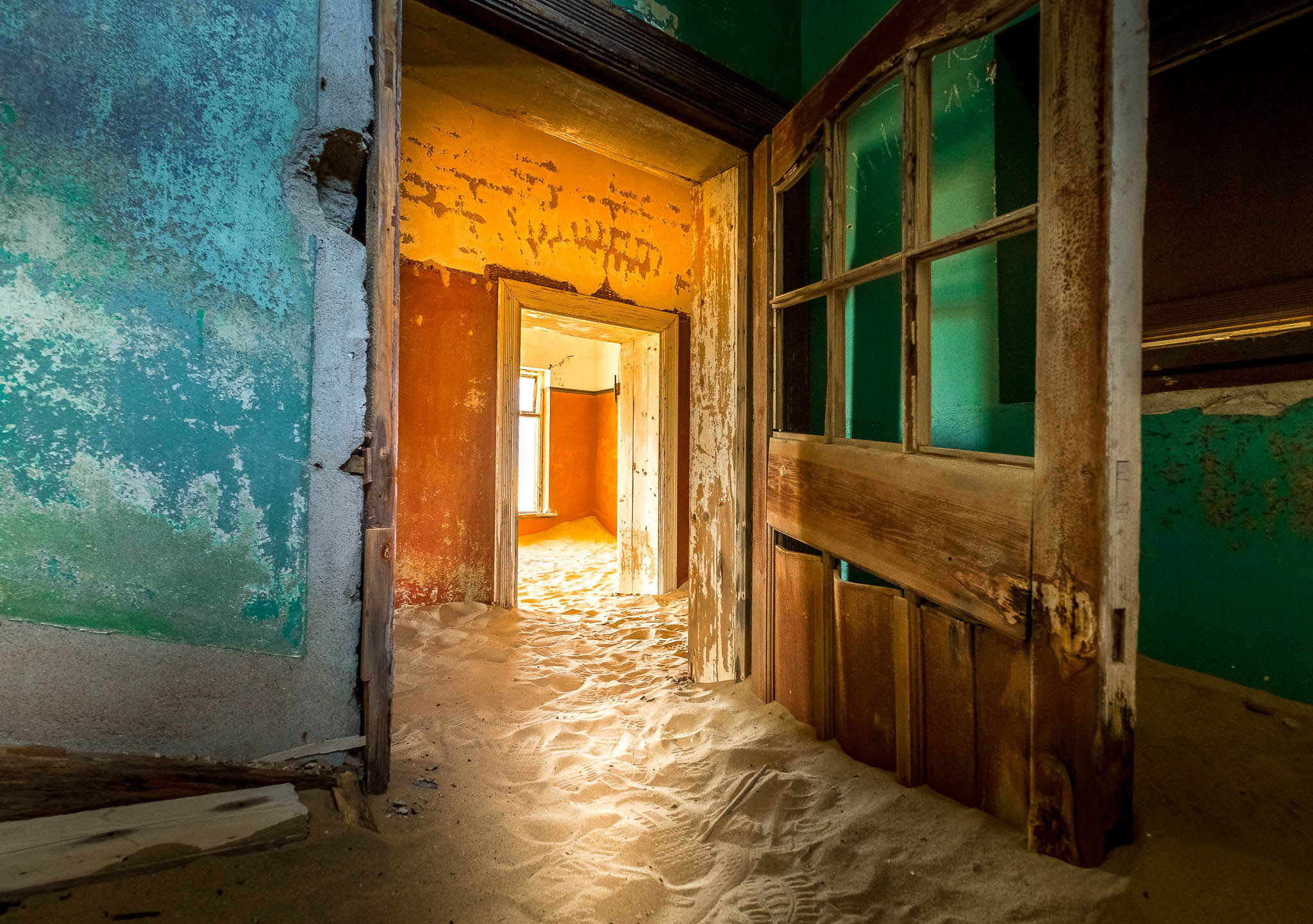
- Kolmanskop, a diamond town abandoned to the dunes and now half full of sand.
- German colonial architecture on an Atlantic coast that is cold and foggy in the middle of Africa.
What Namibia is not known for is crowds. You will spend hours on main roads without meeting another vehicle, and that emptiness is the thing most visitors end up describing when they get home rather than any single sight.
What it is not known for, and should be
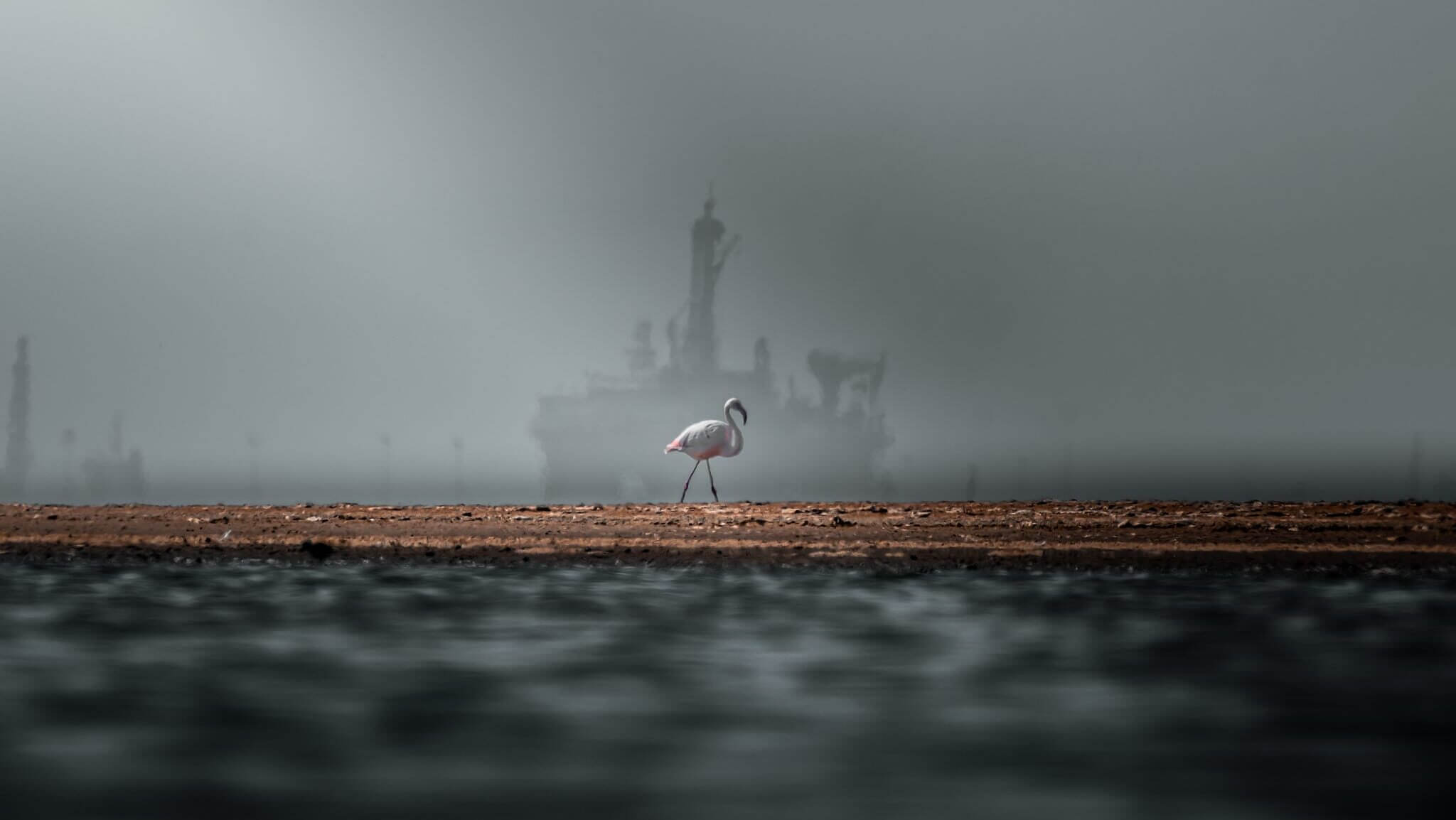
- Walvis Bay lagoon, which holds flamingos in thousands and is twenty minutes from a town every itinerary already stops in.
- Spitzkoppe, a granite range with rock art, free to look at and cheap to camp under.
- The Zambezi region, green and riverine and nothing like the rest of the country.
- Quiver tree forests in the south, which most people drive past on the way to the canyon.
If you are weighing Namibia against other safari countries, the honest comparison is here, and the lions are covered properly in the desert-adapted lions of Namibia. Our 17-day scenery and serenity safari covers most of this list in one route.
Namibia is a country of long drives between famous things. If your list is Sossusvlei, Etosha and the coast, that is three corners of a very large country and roughly 2,000km of driving. Plan the days, not the sights.
Frequently asked questions
What is Namibia most famous for?
The red dunes at Sossusvlei and Deadvlei, the Skeleton Coast shipwrecks, Etosha National Park, and being one of the least densely populated countries on earth.
What makes Namibia unique?
Desert-adapted wildlife including lions that hunt seals, a capital that has recycled its own drinking water since the 1960s, and enormous distances with almost nobody in them.
Is Namibia known for wildlife?
Yes, particularly black rhino, desert-adapted elephant and lion, and Etosha’s dry-season waterholes. It is not a Big Five destination in one park.
What is Kolmanskop?
An abandoned diamond-mining town in the south, now half filled with sand, and one of the most photographed places in the country.
Why is the Skeleton Coast called that?
Because of the shipwrecks and whale bones along it. Fog, cold current and no landmarks made it one of the most dangerous coastlines in the world.
What is the best-kept secret in Namibia?
The Walvis Bay lagoon and the Zambezi region. Both are on the way to somewhere famous and both get skipped.
The sourced claims above link to where they come from. The ones about emptiness and long drives come from doing it, repeatedly.