What to pack for a Namibian safari
Layers, not volume. Windhoek averages a 6°C minimum in July against a 20°C afternoon, and the desert camps run colder still. Pack for a twenty-degree swing in a single day, plus a head torch, a Type D and a Type M adapter, and more sun protection than feels reasonable.
Namibia catches people out in the same two ways every year. They pack for Africa and arrive to a July night at six degrees, or they pack for a beach holiday and spend a fortnight squinting. The country is high, dry and clear, which means the sun is fierce and the heat leaves the moment it sets. Almost everything below follows from that one fact.
The swing is the whole problem
Windhoek sits at 1,700 metres, and in July the average maximum is 19.8°C and the average minimum 6°C. Sossusvlei and the desert camps run colder overnight than the capital, and the coast at Swakopmund is cool and foggy while the interior bakes. In January the same city averages a 29°C afternoon. You are not packing for a climate. You are packing for a range.
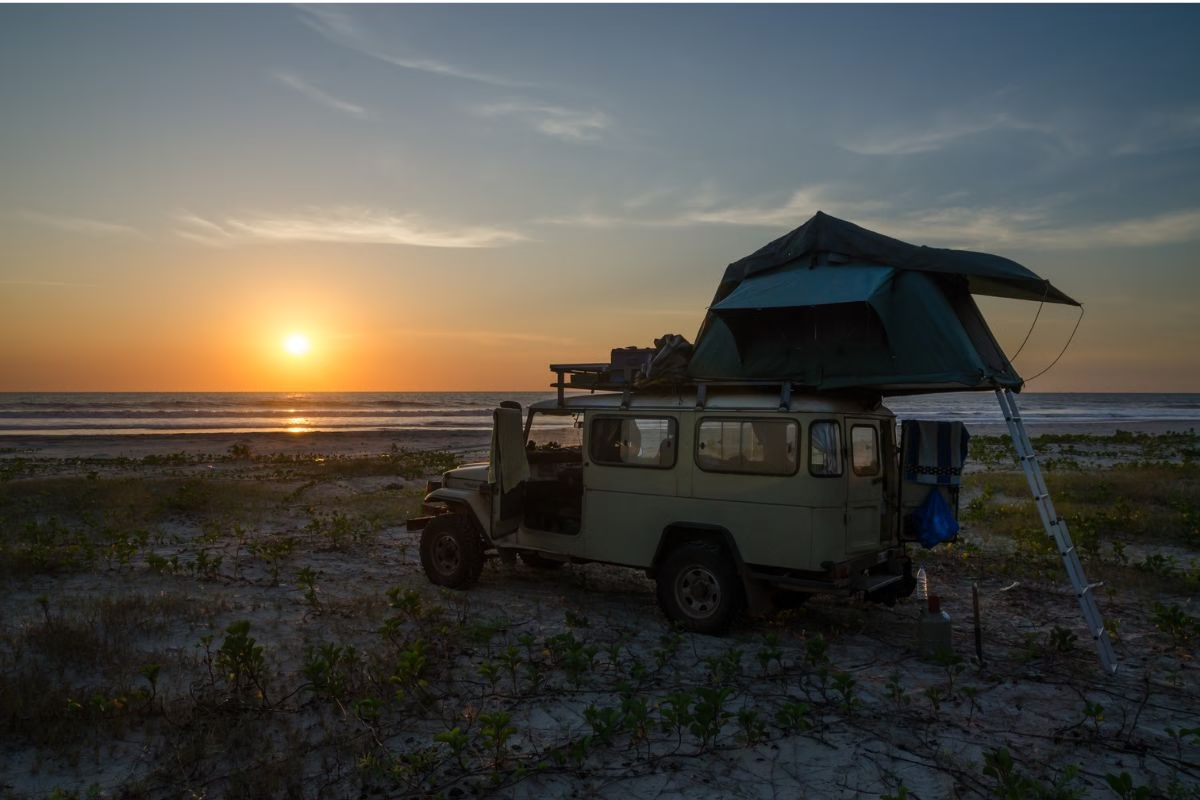
What to actually wear
- Three layers you can shed through the morning: a long-sleeved shirt, a fleece, and a windproof outer. The outer matters more on the coast than anywhere else.
- Long sleeves and long trousers in light colours. They beat sunscreen for eight hours in an open vehicle and they help at dusk.
- Closed walking shoes. Sandals are for camp. Sossusvlei sand gets hot enough to hurt and thorns are everywhere.
- A proper hat with a brim, not a cap. Ears and the back of the neck are where people burn.
- One smart-casual outfit. Lodge dinners are relaxed but not a dusty t-shirt.
Two weeks needs about five days of clothes. Every lodge and most campsites do laundry, usually same day and cheaply. Packing fourteen outfits into a 4×4 is the commonest mistake on this list.
The things people forget
- A head torch. Camps run generators that go off, and rooftop tents have no light of their own.
- Adapters for Type D and Type M sockets. European two-pin plugs do not fit, and lodges rarely have spares.
- A dry bag or two. Gravel dust gets into everything, including the camera bag you thought was sealed.
- Spare prescription glasses or contacts. There is no optician between Windhoek and Swakopmund.
- Cash in Namibian dollars for park gates, tips and fuel in small towns.
- Lip balm with sun protection, and more moisturiser than you use at home. The air is desperately dry.
- A refillable water bottle. The tap water in towns is fine and bottled water is an expensive habit here.
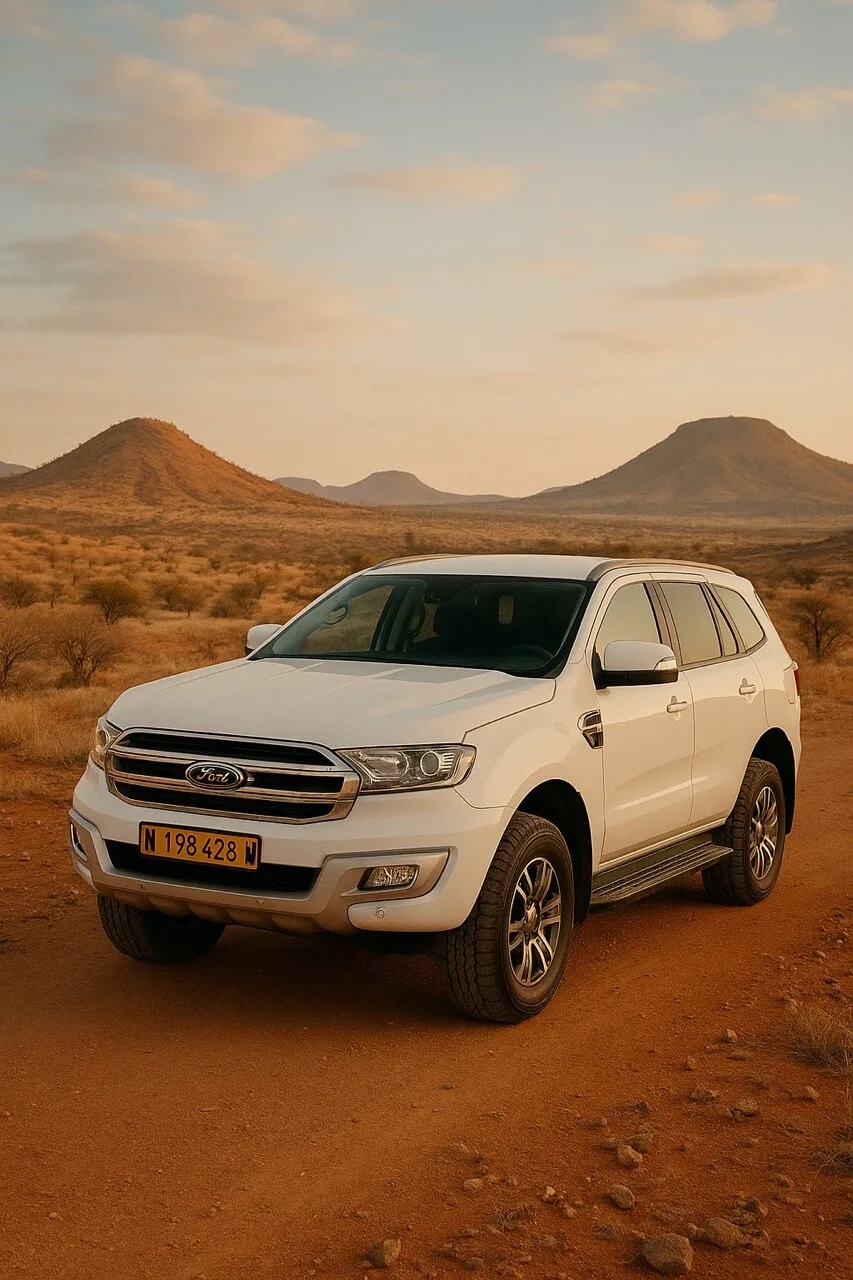
What is already provided
Camping vehicles come with bedding, a cool box or fridge, cooking kit and chairs — check the inventory rather than duplicating it. Park rest camps run by Namibia Wildlife Resorts have shops, fuel and ablutions, so you are restocking rather than carrying a fortnight of food. Lodges provide towels, soap and usually a hairdryer. What they do not provide is a torch that works when the generator stops.
- Leave at home: a safari costume. Ordinary clothes in dull colours are fine.
- Leave at home: a drone, unless you applied for the permit sixty days ago and are not going near Etosha.
- Leave at home: hard-shell suitcases, heavy binoculars for everyone, and half the clothes you packed.

What you pack depends heavily on when you come, which is covered in the best time to visit Namibia, and camping kit specifically in the budget safari breakdown. Travelling with children changes the list again — our 15-day family Namibia adventure is built around what actually works with them in the car.
If you are coming between May and September, bring a proper warm layer. Every year people arrive with nothing heavier than a hoodie and spend the desert nights in the car with the heater on.
Frequently asked questions
What should I pack for a Namibia safari?
Layers for a twenty-degree daily swing, long sleeves in light colours, closed shoes, a brimmed hat, a head torch, Type D and M adapters, and serious sun protection.
Is Namibia cold at night?
In winter, yes. Windhoek averages a 6°C minimum in July and the desert camps are colder. Days in the same period reach about 20°C.
What plugs does Namibia use?
Type D and Type M sockets. European two-pin plugs do not fit without an adapter, and lodges seldom have spares to lend.
How much clothing should I bring for two weeks?
About five days worth. Laundry is available at almost every lodge and most campsites, usually same day and inexpensive.
Do I need special safari clothing?
No. Ordinary clothes in muted colours work perfectly. Long sleeves and trousers are about sun and dusk rather than camouflage.
Should I bring bottled water?
No. Bring a refillable bottle. Tap water in the towns is treated and safe, and buying bottled for a fortnight is an expensive habit.
We are based in Swakopmund and plan these trips year round. The list above is the short version of the conversation we have with clients before they set off, minus the tact.