Swakopmund Fog: When It Clears and Why It Is There
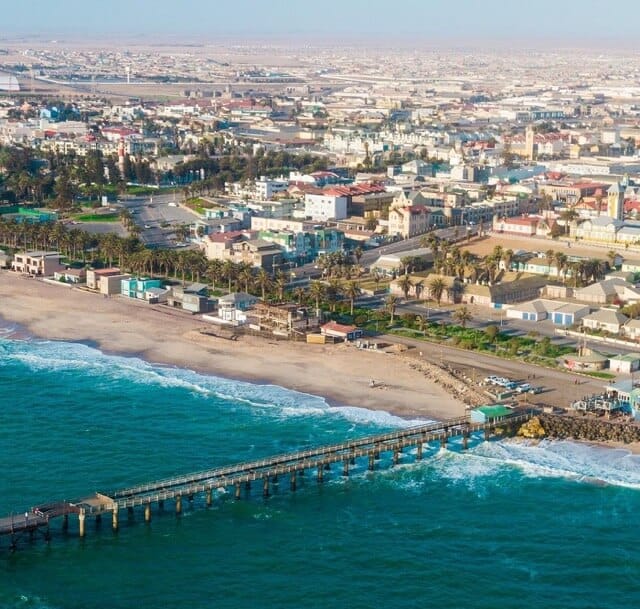
Swakopmund’s mornings are often grey because air cooled by the cold sea is trapped beneath warmer air, and its moisture hangs as fog. Fog on the Namib coast is most common in the mornings and evenings and generally clears during the middle of the day. The exception is east-wind days, when warm, dry air blows from the interior out to sea.
Visitors arrive in Swakopmund expecting a beach town and often wake to a grey, cool morning. It isn’t bad luck. Fog is a permanent feature of the Namib coast, and once you know how it works, you can plan a coastal day around it. Here is why it forms, how often it comes, when it lifts and what the hot east-wind days do to it.
Why the coast is grey when the desert is blue
It starts with the sea. The Atlas of Namibia describes how “the cold Benguela Current” “cools the maritime air as it blows across the ocean and then inland”. Sea surface temperatures off the coast “typically range between 13 and 18˚C”, according to Namibia’s Coast (2012).
That cool, moist air can’t rise. In the words of Namibia’s Coast: “Once onshore, the moist maritime air is still so cold that it cannot rise above warmer layers of air that have been heated by the bare surface of the desert.” Instead it “remains trapped in an inversion layer within a few hundred metres of the ground, where it is often seen as fog.” The Atlas adds a second lid from above: a layer of sinking air “produced by the South Atlantic Anticyclone”.
How often, and when it lifts
According to the Atlas of Namibia, “The central area of the coast experiences the highest frequency of fog, with a third of the days in each year having some fog.” Namibia’s Coast gives counts by weather station. None is published for Swakopmund itself; Walvis Bay, its neighbour on the central coast, has the most.
Time of day matters most. Fog is “most prevalent during mornings and evenings and generally dissipates during the middle of the day as the moist layers of air are warmed by the sun” (Namibia’s Coast). On the forums, Swakopmund regulars say it usually burns off during the day, though one winter visitor reported a fog bank that didn’t move for three days.
Season matters too. The Atlas says: “Ground-based measurements at the coast suggest that, here, fog peaks in winter, between April and August.” Further inland, fog or low cloud “occurs most frequently in the spring and summer months between September and March.” How far inland it reaches depends on the source: “High fog can penetrate up to 60 kilometres inland” (Namibia’s Coast), within a band “that may extend more than 100 kilometres inland” (the Atlas).
East-wind days
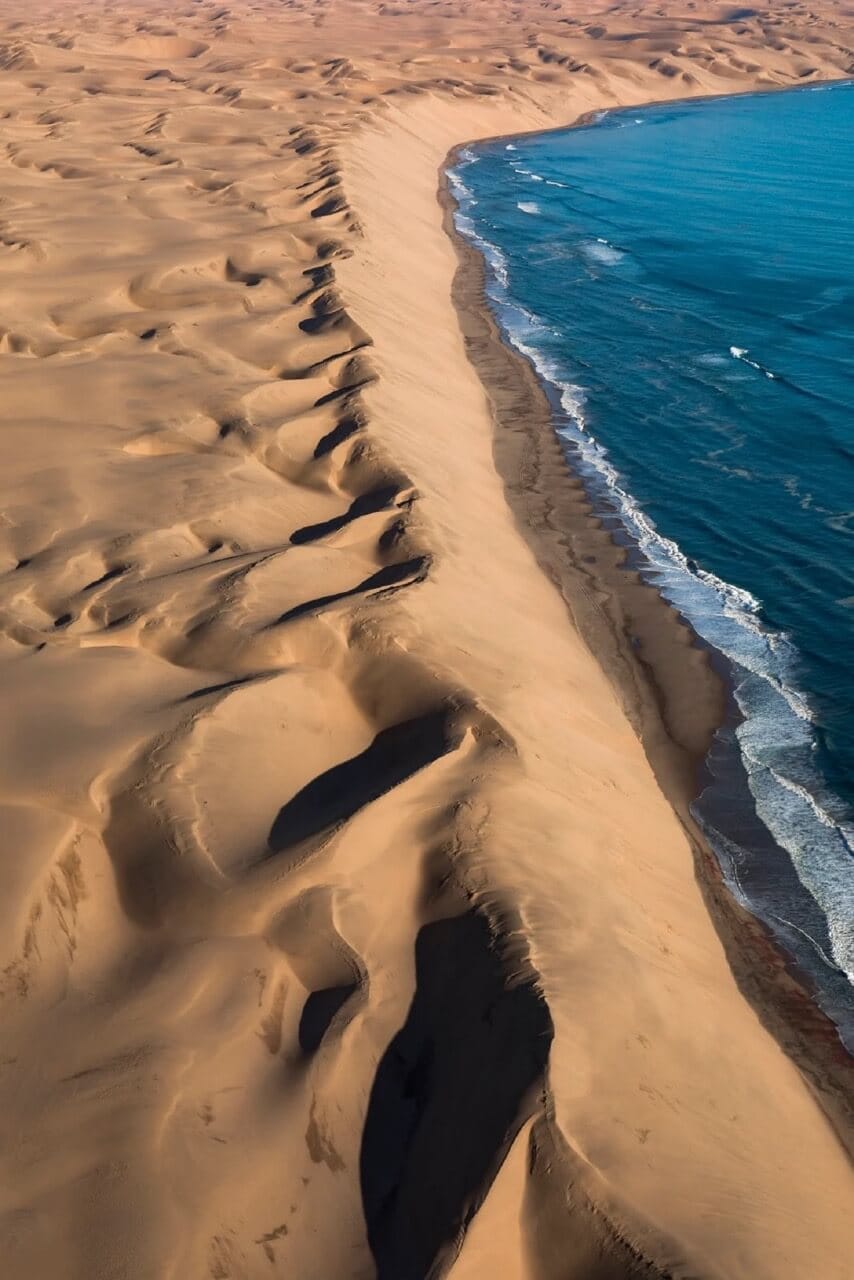
Some days the pattern flips. Namibia’s Coast links it to the winter position of the Botswana Anticyclone: “Strong east winds (also known as Berg winds) then develop, reaching speeds of 50-60 kilometres/hour. The air is warm and dry.” The Atlas adds that these winds from the east “pick up and carry large quantities of sand over and into the Atlantic Ocean”.
Fog and desert wildlife
The fog is also the Namib’s water supply. The Atlas says “Many plants and at least 48 animal species are known to use free water from fog”, among them a tenebrionid beetle that stands with its abdomen facing the fog to harvest it. See 15 unique Namib animals for more of them.
Planning a Swakopmund day around it
Because fog tends to clear around the middle of the day, the afternoon is the likelier time for sun on the beach and seafront. Pack layers whatever the season: average temperatures within 50 kilometres of the coast are “normally below 20˚C” (Namibia’s Coast). Forum regulars also warn that the sea is very cold and the currents strong.
For month-by-month conditions across the country, see our Namibia weather guide. If you are heading down the coast, the Walvis Bay lagoon and its flamingos are a short drive south.

Frequently asked questions
Is Swakopmund always foggy?
No, but often. The Atlas of Namibia says the central coast has some fog on about a third of the days each year. It is most common in the mornings and evenings and generally clears during the middle of the day.
What time does the fog clear in Swakopmund?
There’s no fixed hour. Fog on the Namib coast generally dissipates during the middle of the day as the sun warms the air. On some days, particularly in winter, it can linger far longer.
Which months are foggiest on the Namibian coast?
At the coast, ground measurements show fog peaking in winter, between April and August. Further inland, fog and low cloud are most frequent from September to March.
Why is Swakopmund so cool?
Because of the cold Benguela Current. Sea surface temperatures typically range between 13 and 18˚C, and average temperatures within 50 kilometres of the coast are normally below 20˚C.
What is an east-wind day?
A day when warm, dry Berg winds blow from the interior towards the sea at 50 to 60 kilometres an hour, carrying large quantities of sand out over the Atlantic.
How many fog days does Walvis Bay get?
About 140 a year, according to Namibia’s Coast (2012), the most of the stations it lists. Lüderitz has 117, Gobabeb 94 and Oranjemund 81. No figure is published for Swakopmund.
Desert Tracks plans self-drive, fly-in and guided Namibia safaris from our base in Swakopmund. Get in touch with Desert Tracks.