Photographing Namibia’s National Parks: The Spots and the Rules
Two rules shape almost every photograph you will take in a Namibian national park. **Drones are prohibited** — the Civil Aviation Authority says so directly, and registration and written approval are required even outside the parks. And **you may not leave your vehicle**, except at rest camps, designated picnic sites and viewpoints. Everything below is written around those two facts., the dry winter. Rainfall is near zero, wildlife concentrates at Etosha’s waterholes, and roads are at their best. July and August are the peak — and the coldest, near 6 °C at dawn.
Most photography guides for Namibia are lists of golden-hour advice. This one is a list of what you are permitted to do, because in Namibia that is what decides which shots exist.
The rules that decide the shot
Drones: settle this before you pack one
The Namibia Civil Aviation Authority publishes it in one sentence: flying in national parks is strictly prohibited. Beyond that blanket ban, all drones — recreational or commercial — must be registered with the NCAA under Part 101 regulations, all flights require prior written approval, and foreigners must submit applications at least sixty days before arrival. The authority can be reached at info@ncaa.na.
Two approval instruments are described by drone-law references: a letter of approval for private use and an operator certificate for commercial work. A buffer of five nautical miles around gazetted parks and reserves is also widely reported, along with limits on altitude, distance from people and daylight-only line-of-sight operation. We have not been able to verify those against the regulation text itself, so treat them as the shape of the rules rather than the wording.
Three different sources give three incompatible figures for the permit fee — N$1,200, N$300 private and N$4,500 commercial, and roughly US$102. The NCAA publishes no fee on its own page. We are not going to pick one; email the authority.
One more trap worth knowing: at least one drone-permit service states that posting supposedly recreational park footage to a website is treated as professional use. If your images end up anywhere public, assume the commercial rules apply.
Etosha: shoot from the car, or from camp
MEFT is unambiguous. In all parks, the following are strictly prohibited: pets, motorcycles, persons travelling on open vehicles or open loading bays, hitch hikers, leaving indicated roads, leaving the vehicle, pellet guns, catapults or unsealed firearms, and disturbance of game. You get out at rest camps and designated sites. That single rule is why long lenses and a beanbag on a window frame beat a tripod in Etosha.
The exception, and the reason people book specific camps, is the floodlit waterholes. NWR describes Okaukuejo as famous for its floodlit waterhole where visitors can watch wildlife congregating at close quarters, both during the day and at night. It is one of the very few places in a Namibian park where you can photograph animals on foot, at night, legally. NWR does not publish opening hours for it, and we could not confirm whether day visitors may use it, so plan on staying in the camp.
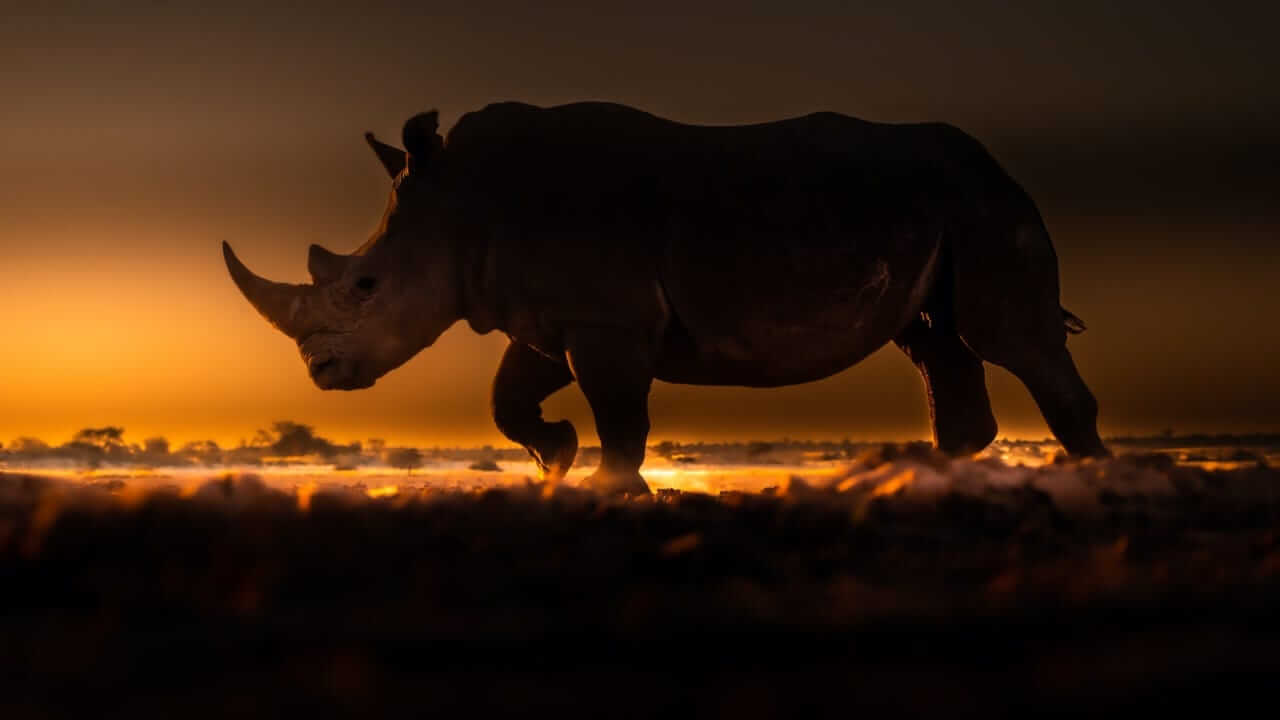
Sossusvlei and the four dunes
Climbing is permitted on four named dunes only — Dune 40, Dune 45, Big Daddy and Big Mama. Everything else is off limits, which in practice concentrates the photographers and makes an early arrival worth more than better gear. Self-drive beyond the 2×4 parking is currently permitted in a 4×4, following a MEFT public notice in May 2026 that reversed a short-lived restriction.
On gate times, be careful. It is widely stated that the inner Sesriem gate opens an hour before sunrise for guests sleeping inside the outer gate — which if true is the whole argument for booking inside. But no MEFT or NWR page publishes gate times, and at least one respected guide contradicts it outright. Ask at reception on arrival; the answer shifts seasonally anyway.
The coast, and the fog
The Namib’s coastal fog is the light that makes the Skeleton Coast photograph the way it does. Coastal regions are reported to experience more than 180 days of thick fog a year, formed where the cold Benguela Current meets warm air, pushing inland in the morning. That figure comes from a single secondary source citing published geography, so treat it as an order of magnitude rather than a statistic — and note that we could find nothing sourced on fog seasonality or how far inland it reaches.
The hard constraint on the Skeleton Coast is the clock. Entry at the Ugab Gate closes at 15:00, and if you arrive after that you are turned away regardless of how good the light looks. Exit runs to 19:00. You must clear the park the same day unless you hold proof of a booking inside. This is a park where the late light and the gate rules are in direct conflict, and the gate wins.
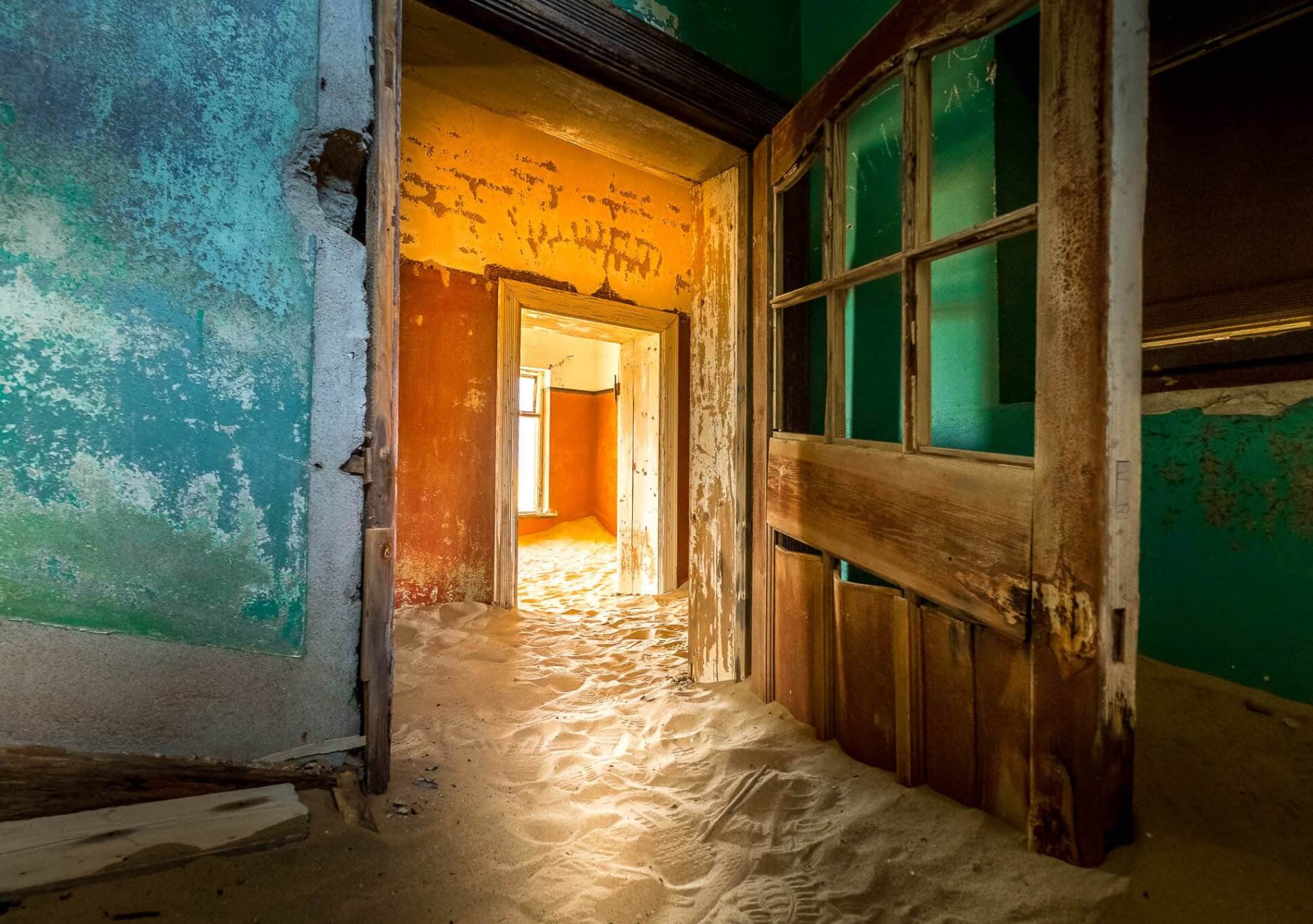
Kolmanskop: the permit is the point
Kolmanskop is not a national park, but it is the most photographed place in southern Namibia and the permit rules are precise. The photography permit is N$400 per person, valid sunrise to sunset, includes a gate access code and the right to join the scheduled tours. Ordinary day entry is N$180 for an adult, with tours Monday to Saturday at 09:30 and 11:00 and at 10:00 on Sundays and public holidays. Night photography is not allowed, because the site sits inside a restricted diamond area — that is a security boundary, not a site policy, and it will not be waived.
The dark sky question, corrected
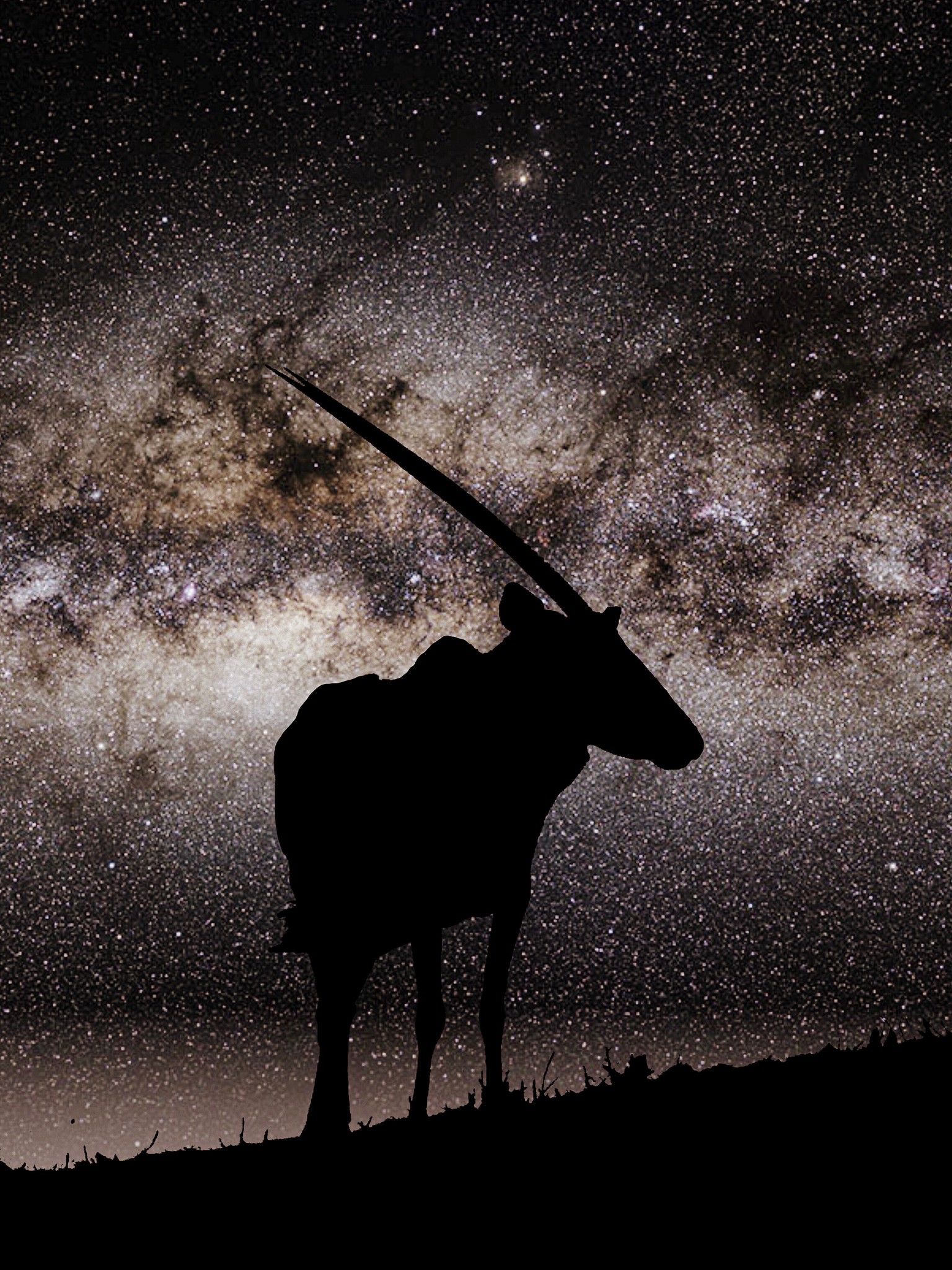
NamibRand Nature Reserve was certified as an International Dark Sky Reserve in 2012 at Gold Tier, and it was Africa’s first — as well as the first in any developing country. That is well documented across DarkSky International, contemporary reporting and the reserve itself.
What is not accurate is “Africa’s only”. DarkSky’s own announcements now list other certified dark sky places on the continent, including a sanctuary in South Africa’s Kalahari and a park in Limpopo. First is the defensible word. Published area figures for NamibRand also disagree, ranging from about 1,700 to 2,150 square kilometres, so we would say roughly two thousand and leave it there. Our guide to stargazing on a Namibian safari goes into the night sky properly.
NamibRand is a private reserve, not a national park. Nor are Waterberg Plateau, which MEFT lists as a game park, Cape Cross, which is a seal reserve, or Twyfelfontein, which is a World Heritage Site protected under the National Heritage Act. MEFT’s actual national parks are Etosha, Namib-Naukluft, Skeleton Coast, Dorob, Khaudum, Mudumu, Nkasa Rupara, Bwabwata, Tsau ǁKhaeb and Mangetti.
Working professionally
If you are shooting commercially, the honest position is that the paperwork is less clearly published than you would expect. MEFT’s permits page lists no filming or photography permit at all — the permits it names cover wildlife utilisation, gambling, environmental clearance, research and Etosha park entry, and the research permit is specifically for collecting specimens or conducting research, not for cameras. Commercial drone filming in a park is reported to need Namibia Film Commission clearance alongside NCAA approval and ministerial consent, but we could not reach the Commission to confirm its requirements, so we will not state them as fact.
Practically: build the trip around the access rules rather than the light. Our guide to places to visit on a Namibia self-drive safari covers gate times and fees across the circuit, and off the beaten track in Namibia covers the permit places where the paperwork has to be done in an office before you leave town.
Frequently asked questions
Can I fly a drone in a Namibian national park?
No. The Namibia Civil Aviation Authority states that flying in national parks is strictly prohibited. All drones, recreational or commercial, must be registered under Part 101 regulations, all flights require prior written approval, and foreign operators must apply at least sixty days before arrival.
Can I get out of my vehicle to take a photograph?
Not in a national park. MEFT lists leaving the vehicle among the things strictly prohibited in all parks. You may get out at rest camps, designated picnic sites and marked viewpoints, and nowhere else. Plan on a long lens.
Can I photograph Kolmanskop at night?
No. The photography permit is N$400 per person and runs sunrise to sunset. Night photography is not permitted because the site sits inside a restricted diamond area. The permit comes with a gate access code and includes the scheduled tours.
Is NamibRand Africa’s only Dark Sky Reserve?
No, and this is worth correcting. NamibRand was certified in 2012 at Gold Tier and was Africa’s first International Dark Sky Reserve, and the first anywhere in a developing country. Other certified dark sky places now exist on the continent, so “first” is the accurate word, not “only”.
Do I need a permit for professional photography in Namibian parks?
MEFT’s published permits page lists no filming or photography permit at all — the permits it names cover wildlife utilisation, gambling, environmental clearance, research and Etosha park entry. Commercial drone filming is reported to require Namibia Film Commission clearance alongside NCAA approval, but we could not verify that with the Commission itself.
If photography is the reason for the trip, tell us at the enquiry stage. It changes the camps, the timings and sometimes the whole route — and it is the single brief that most improves a Namibian itinerary. Tell us what you want out of the trip rather than when you can travel, and we will tell you honestly whether your dates fit — including when the answer is that they do not. Get in touch with Desert Tracks.