Namibia’s Desert Elephants: What Is Actually Different
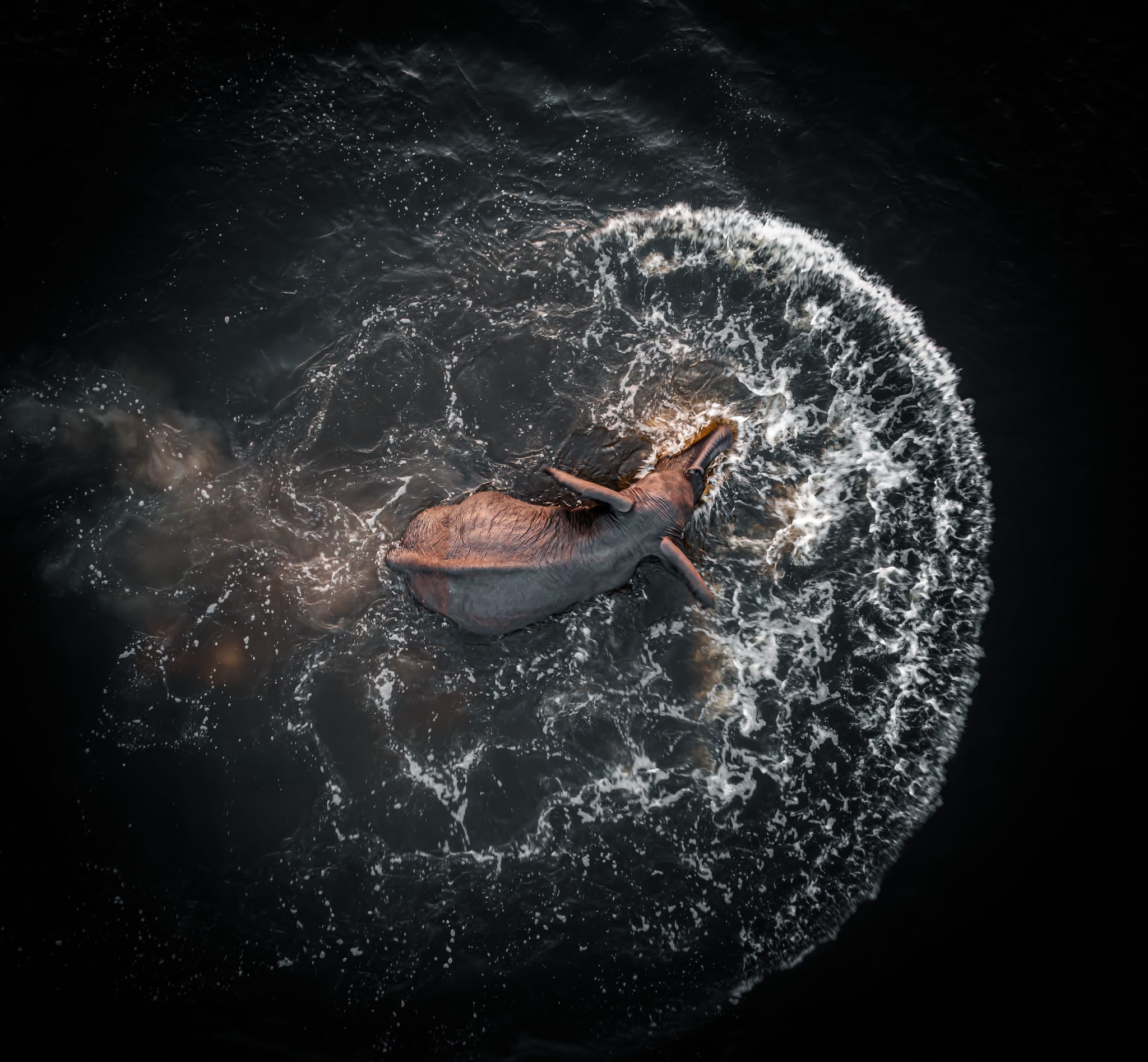
Every second travel page about Namibia’s desert elephants says the same two things: that they are a distinct kind of elephant, and that they have evolved larger feet for the sand. Neither claim survives contact with the published research.
Namibia’s desert-adapted elephants are African savanna elephants, Loxodonta africana, the same species as every other elephant in the country. They were once treated as a subspecies and no longer are. What is genuinely different is behaviour and learned knowledge passed between generations, not anatomy., the dry winter. Rainfall is near zero, wildlife concentrates at Etosha’s waterholes, and roads are at their best. July and August are the peak — and the coldest, near 6 °C at dawn.
The subspecies that is not a subspecies
They are the same animal. What sets them apart is what they know: where water surfaces in a dry riverbed, which route crosses a gravel plain without killing a calf, how long the herd can go between drinks. That knowledge lives in the older cows, which is the real argument against removing animals from these populations.
The bigger-feet claim is worth dwelling on, because it is everywhere. It appears on Wikipedia, sourced to conservation-organisation and archived websites rather than research. None of the peer-reviewed work on these elephants makes any morphological claim at all. What the research measures is range, water, and conflict.
Nobody can tell you how many there are
Four credible figures are in circulation and they do not agree, because they count different areas in different years by different methods. Anyone quoting a single confident number is picking one and hiding the rest.
The trend is contested too. The 2019 survey reports a positive growth rate for the whole northwest that is not statistically significant; a conservation group reports a 32 per cent decline in the Ugab population since 2016. Both can be true of different areas over different periods, which is exactly why neither should be quoted alone.
What is measured, and it is alarming enough
A 2023 study in Sustainability measured the Ugab population’s home range at 12,237 square kilometres, against historical estimates of 1,763 to 2,944. The animals are not roaming further because they want to. Five of twelve boreholes within five kilometres of the lower Ugab riverbed had run dry from groundwater depletion, and the conflict hotspots the paper identifies are at Omatjete and Kamanjab.
That is the real story: an animal walking further and further between water, through country where the water that remains belongs to farmers. A 2024 study of the Northern Highlands, built from the local knowledge of 34 community game guards, is the first published research specific to that area at all.

The 2024 cull, in the ministry’s own words
In August 2024 the environment ministry published its drought culling programme: 723 animals nationally, including 83 elephants, with 12 taken from Kunene at Kamanjab and Fransfontein. The meat was distributed through the Office of the Prime Minister. The same document records a person killed by an elephant on 25 August 2024.
It is not our place to tell you what to think about that. It is our place to tell you it happened, in the country you are booking a trip to, in the districts your route passes through. Our wider note on how conservation actually works in Namibia sets out the conservancy model these decisions sit inside.
Where you actually see them
The ephemeral rivers: the Ugab, Huab, Hoanib and Hoarusib, and the conservancies along them. Torra Conservancy, registered in 1998 and covering 3,493 square kilometres, has the Huab running through it as what its own literature calls a linear oasis. Our northern routes work this country — Palmwag, Twyfelfontein, the Grootberg and Khowarib areas — and the 16-Day Exclusive Northern Namibia Safari spends the time it takes.
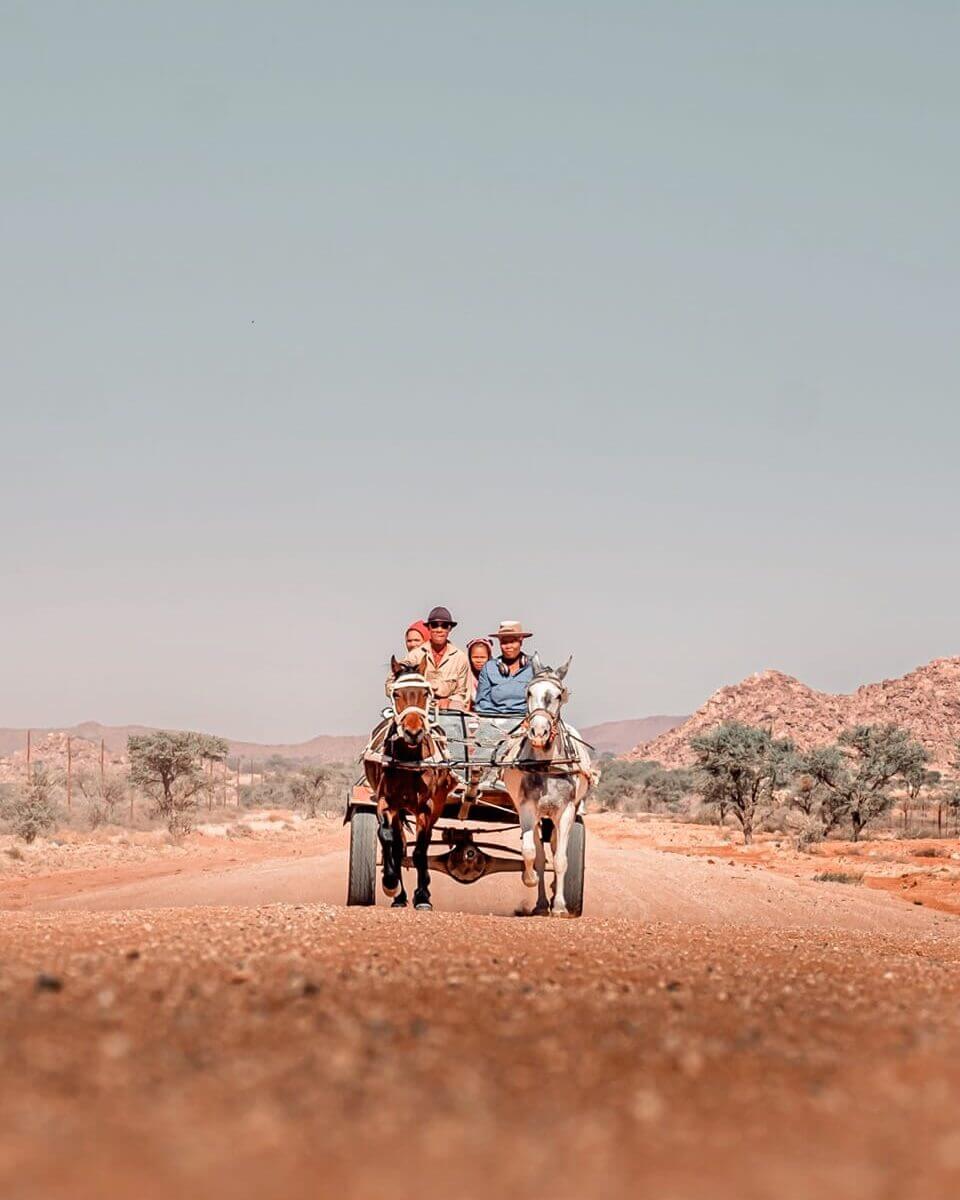
Sightings are never guaranteed, and the distances involved should tell you why. An animal with a home range the size of a small country is not waiting at a viewpoint. If you want the wider picture of what desert country does to the animals in it, our pieces on Namibia’s desert lions and on how Namibian wildlife survives the dry cover the same ground from different angles, and the engravings at Twyfelfontein sit in the middle of it.
We have not told you how close you may drive to an elephant, because no ministry or conservancy document we could open states a distance. We have not given you a sightings probability by season either. Both are the kind of thing that gets invented, and an invented number about a four-tonne animal is worse than no number.
Frequently asked questions
Are desert elephants a separate species?
No. They are African savanna elephants, Loxodonta africana, the same species as every other elephant in Namibia. They were once classified as a subspecies and no longer are.
Do they have bigger feet than other elephants?
No peer-reviewed source supports it. The claim circulates widely on travel sites but traces only to conservation-organisation pages, and none of the published research on these elephants makes any anatomical claim at all.
How many are left?
It depends entirely on which area you mean. A 2019 aerial survey put roughly 1,200 across the whole northwest; a 2024 study found 128 in the Northern Highlands alone; a 2023 paper counted 87 in the Ugab basin. These are different areas, years and methods, and are not comparable.
How far do they walk?
The Ugab population’s home range is now measured at 12,237 square kilometres, against historical estimates of 1,763 to 2,944. The range has expanded, not the animals.
Where can you see them?
The ephemeral river courses of the Kunene and Erongo — the Ugab, Huab, Hoanib and Hoarusib — and the conservancies around them. Sightings are never guaranteed and no operator who tells you otherwise is being straight with you.
Desert Tracks routes through Palmwag, Twyfelfontein and the Grootberg and Khowarib country where these elephants range. Tell us what you want out of the trip rather than when you can travel, and we will tell you honestly whether your dates fit — including when the answer is that they do not. Get in touch with Desert Tracks.