Namibia Fly-In Safaris
Enquire NowNamibia fly-in safaris turn the country's long gravel days into short flights by light aircraft, so a week can cover Sossusvlei, the Skeleton Coast and the private reserves beside Etosha. Our fly-in itineraries run from seven to fourteen days, with lodges such as andBeyond Sossusvlei Desert Lodge, Shipwreck Lodge, Wilderness Serra Cafema and Onguma The Fort.
We are a Namibian team based in Swakopmund. Every itinerary below is a starting point we tailor to your dates, and we reply within 24 hours.
Explore Namibia's Top Fly-In Itineraries
Light aircraft between the landscapes, so the country arrives in a week



Namibia Fly-In Safaris
Landing in remote corners untouched by time, each destination feels like a world of its own. It’s a way of travelling that is not only efficient, but deeply immersive, offering a rare perspective few ever experience.
Start Your JourneyRead the full fly-in safari guide Show less
Where the Flights Go
These are the regions and lodges our fly-in itineraries use.
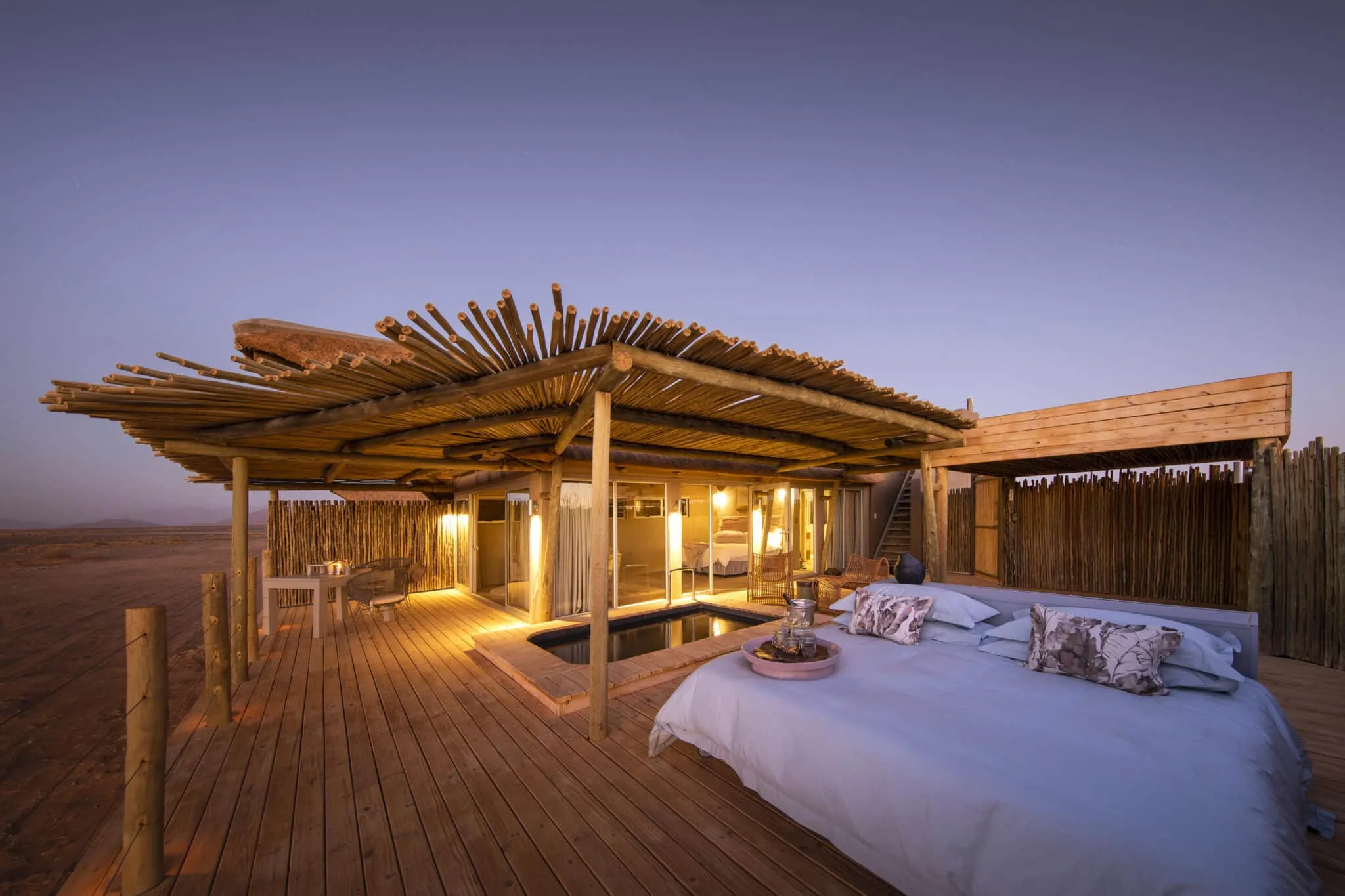
- Sossusvlei and the NamibRand: Dead Valley Lodge, Wilderness Kulala Desert Lodge, Wilderness Little Kulala and andBeyond Sossusvlei Desert Lodge.
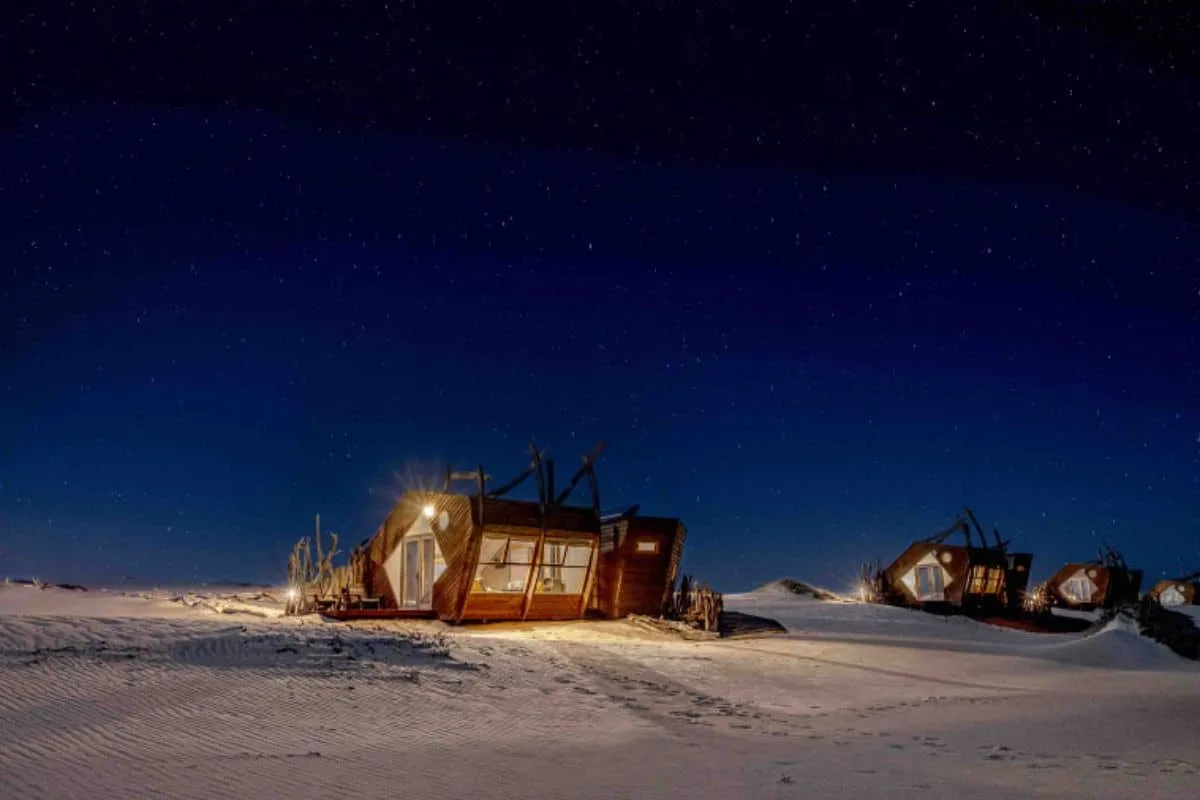
- The Skeleton Coast: Shipwreck Lodge, and Hoanib Valley Camp on the Hoanib River.
- Damaraland: Camp Kipwe and Wilderness Doro Nawas, near Twyfelfontein.
- The far north-west: Wilderness Serra Cafema on the Kunene River, reached by light aircraft and a drive through the Hartmann Valley.
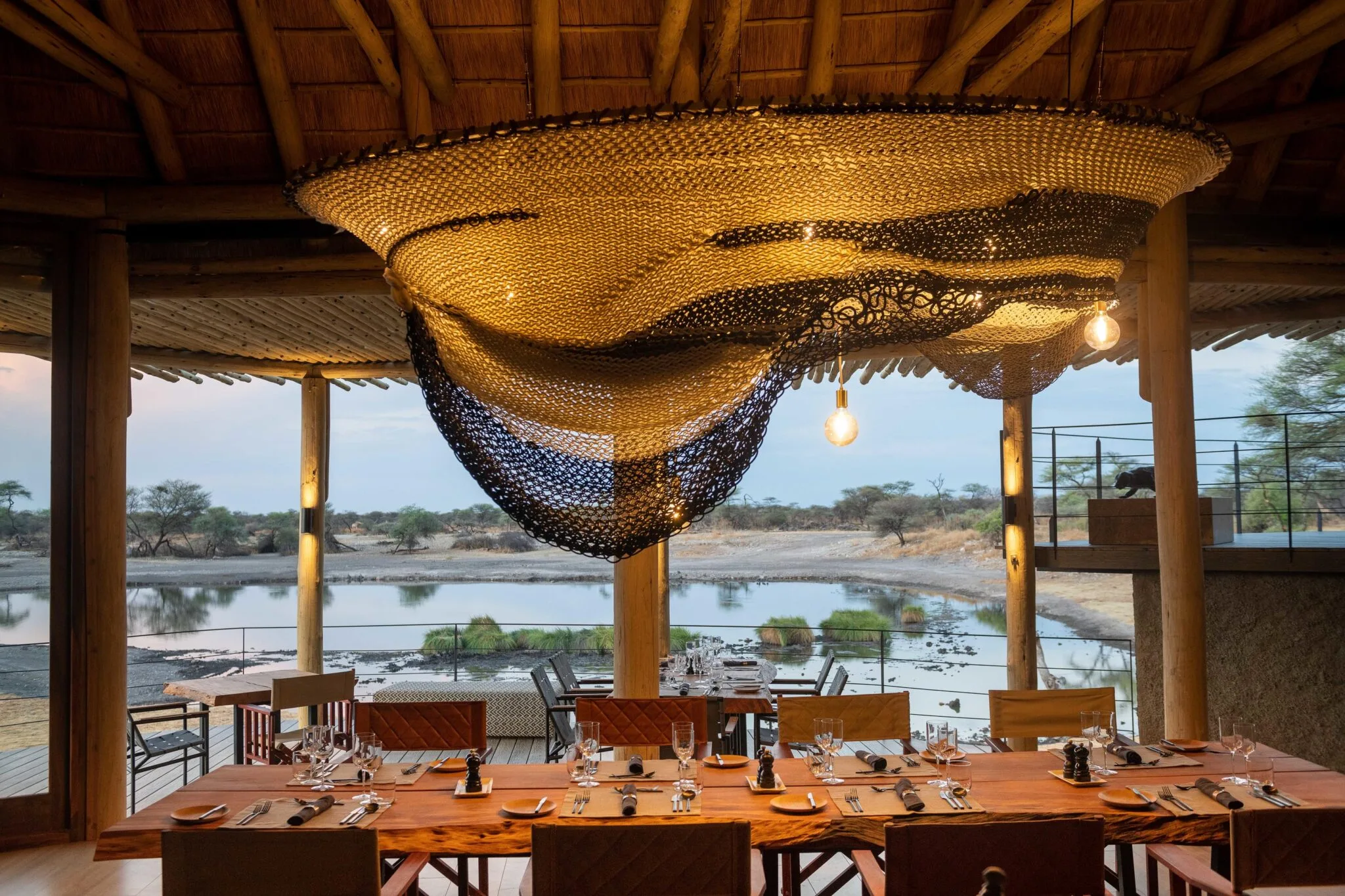
- Etosha's private reserves: Onguma The Fort and Onguma Camp Kala on the Onguma Nature Reserve, and Horizon by Ongava on the Ongava Private Game Reserve.
- Okonjima: Okonjima African Villa on the Okonjima Nature Reserve.
Which lodges are worth flying to, and which are just as good by road, is set out in our guide to Namibia's fly-in safari lodges.
Our Fly-In Itineraries
The 7-Day Namibia Desert, Dune & Wildlife Fly-In Safari covers Sossusvlei, the Skeleton Coast and the Onguma Nature Reserve in a week. The 8-Day Namibia Luxury Fly-In Safari swaps the coast for the NamibRand and Twyfelfontein. The 10-Day Highlights of Namibia adds the Hoanib River, and the 10-Day Namibia Honeymoon Luxury Fly-In Safari includes Swakopmund and Ongava. The 12-Day Namibia Luxury Fly-In Safari goes furthest, to Serra Cafema and Okonjima.
The 20 kg Luggage Rule
Light aircraft holds are small, and Wilderness Air sets the allowance at 20 kg per person, hand luggage included. Bags must be soft, like a duffel bag, with no rigid frame and no more than 70 by 35 by 30 cm. A hard suitcase cannot be loaded. If you travel with long lenses or a lot of camera gear, tell us at the start, because it can change which flights and lodges suit you.
Flying Doesn't Always Mean No Driving
Some lodges sit a drive away from their airstrip. Shipwreck Lodge guests land at Möwe Bay and then cover the last 45 km by vehicle, and Serra Cafema combines the flight with a drive through the Hartmann Valley. If you would rather have no road transfers at all, say so when you enquire, because it narrows the choice of lodges.
What a Fly-In Safari Costs
The price is set mainly by the lodges you choose and by the flights between them, which are priced per seat on each leg or as a private charter for your group. A fly-in trip replaces vehicle hire and long transfer days, so on a short trip it is often closer in price to a road trip than people expect. Our fly-in lodges guide covers flight costs and our 2026 lodge rate comparison covers the camps.
Best Time for a Fly-In Safari
May to October is the dry season, with wildlife gathered at Etosha's waterholes. The green season early in the year brings dramatic skies and fewer visitors. Month by month in the panel below, and the trade-offs in our best time to visit Namibia guide.
Fly-In, Fly-Drive or Self-Drive
You do not have to choose one style for the whole trip. The 14-Day Luxury Namibia Fly-Drive Photographic Safari drives the south and flies the remote north-west. If you would rather drive yourself, see our Namibia self-drive safaris, and for the top lodges by any route, our Namibia luxury safaris.
Start Planning
The itineraries above are starting points, not fixed packages. Tell us your dates, how many days you have and what you most want to see, and our Swakopmund team will reply within 24 hours with a route and flight plan that fits.
When to Go
Namibia Fly-In Safaris
Frequently Asked questions
What is a fly-in safari in Namibia?
A fly-in safari involves travelling between destinations by small aircraft instead of driving. It allows you to cover large distances quickly while enjoying breathtaking aerial views. Namibia rewards this more than most countries: the highlights sit hundreds of kilometres apart, and the ground between them is largely gravel, so a leg that costs most of a day by road takes well under an hour in the air. What you gain is time in the places themselves rather than time getting to them. Our fly-in itineraries run from seven to fourteen days.
How safe are light aircraft flights?
Fly-in safaris in Namibia are very safe, operated by experienced pilots and reputable charter companies with high safety standards. Pilots on these routes fly them constantly and know the strips, the weather patterns and the terrain. If you would like the wider picture on getting to and around the country, our guide to air travel to Namibia covers it.
How much luggage can I take?
Due to aircraft limitations, luggage is usually restricted to soft bags of 20 kg per person, hand luggage included. Hard suitcases are generally not permitted — a soft bag can be packed into the shape of the hold, a rigid case cannot. The exact allowance depends on the aircraft and the route, so we confirm it in writing with your itinerary rather than leaving you to guess. If you are carrying camera equipment, tell us early and we will check it against the specific legs you are flying.
Is a fly-in safari worth the cost?
Yes, especially for shorter trips or luxury travellers. It significantly reduces travel time and provides access to remote lodges that are otherwise difficult to reach. The shorter your trip, the more the arithmetic favours flying: on a week in Namibia, driving can absorb a third of your days. Our 7-Day Desert, Dune & Wildlife and 8-Day Namibia in Style show what a short trip looks like when the transfers are flown. If you are still deciding how long to come for, see how many days you need in Namibia.
Which areas are best suited for fly-in safaris?
Popular fly-in destinations include Sossusvlei, Damaraland, and Etosha National Park, as well as more remote regions like the Skeleton Coast. The further north and west you go, the stronger the case for flying — those are the areas where the road option costs you days rather than hours. Our guide to the best fly-in safari lodges in Namibia covers where you would actually stay.
Do I still get guided activities?
Yes, all activities such as game drives, nature walks, and excursions are hosted by expert lodge guides once you arrive. The difference from a guided safari is that your guide changes with each camp rather than travelling the whole route with you, so you get someone who knows that particular reserve intimately.
Can fly-in safaris be combined with other safari styles?
Absolutely. Many travellers combine fly-in with self-drive or guided sections for a more diverse and flexible itinerary. A common shape is to drive the south, where the roads are straightforward and the distances manageable, then fly the remote north. Our 14-Day Drive & Fly Photographic Safari is built exactly that way.
Which fly-in itineraries do you offer?
Six, from a week to a fortnight:
- 7-Day Namibia Desert, Dune & Wildlife — Sossusvlei, the Skeleton Coast and Onguma
- 8-Day Namibia in Style — andBeyond Sossusvlei, Camp Kipwe and Onguma The Fort
- 10-Day Highlights of Namibia — Wilderness Kulala, Shipwreck, Hoanib Valley and Onguma
- 10-Day Namibia Honeymoon — Sossusvlei, Swakopmund, Damaraland and Ongava
- 12-Day Namibia in Style — adding Serra Cafema and Okonjima’s leopard country
- 14-Day Drive & Fly Photographic — the Kalahari and Lüderitz by road, the north by air
Not sure which fits? Tell us your dates and we will match one to them.
How much does a fly-in safari in Namibia cost?
It depends mainly on the lodges you choose and on the flights between them, priced per seat on each leg or as a private charter. Because flying replaces vehicle hire and long transfer days, a short fly-in trip is often closer in price to a road trip than people expect. Our fly-in lodges guide covers flight costs.
Which Namibian lodges can only be reached by air?
Hoanib Skeleton Coast Camp can only be reached by light aircraft. Most other lodges, including those at Sossusvlei, in Damaraland and beside Etosha, have a road as well as an airstrip, so flying there saves time rather than being the only way in. More in our guide to Namibia's fly-in safari lodges.
Every journey leaves a story behind.
Discover the raw, unfiltered voices of our guests as they share their Desert Tracks adventures across Namibia and Botswana. Their words capture the magic better than we ever could.


Highlights to Visit
Sossusvlei Dunes
Imagine waking up to the serene silence of the Namib Desert, the world’s oldest living desert.
Explore Now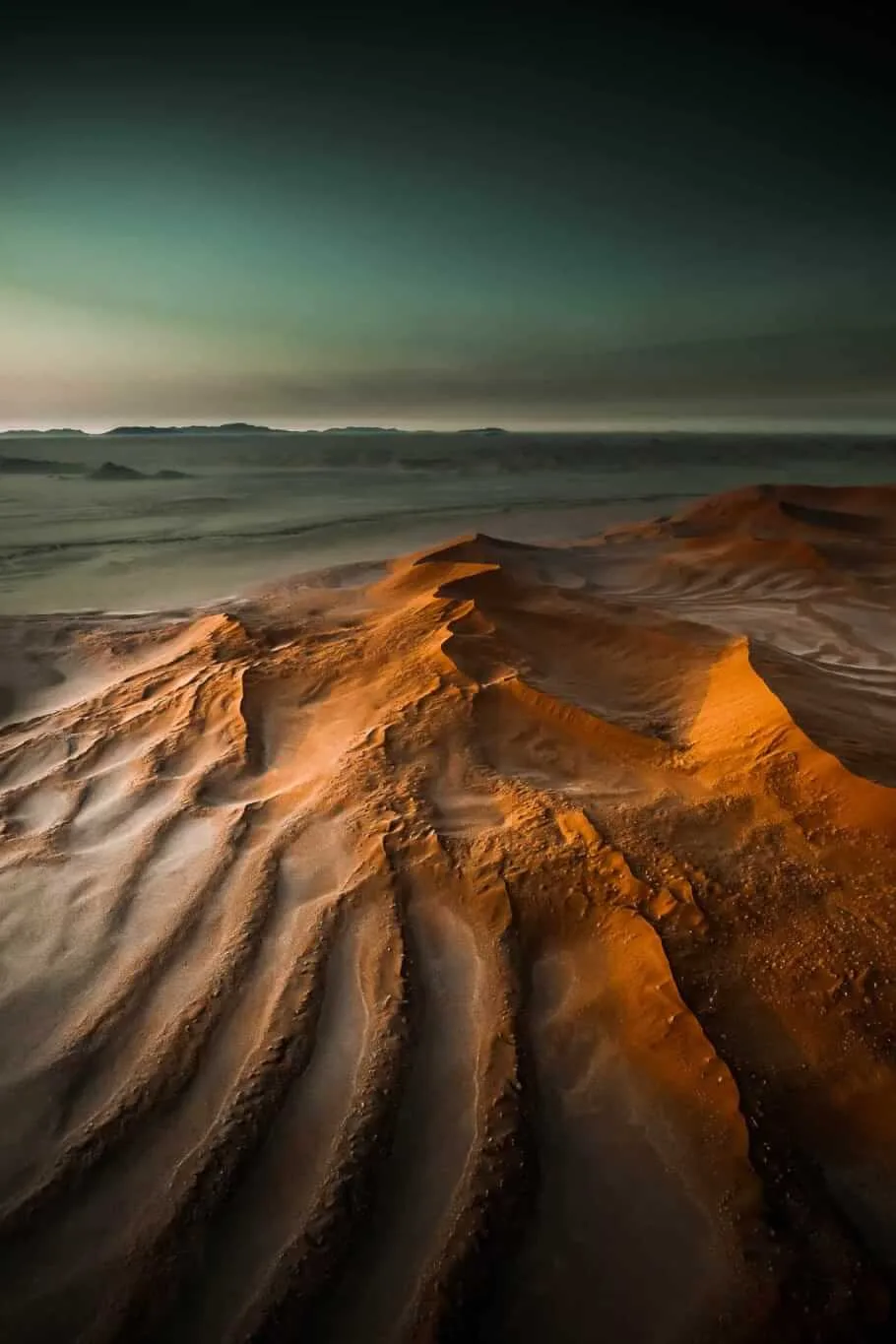
Etosha National Park
Thrilling game drives among elephants, lions, rhinos and giraffes, at Etosha’s great waterholes.
Explore Now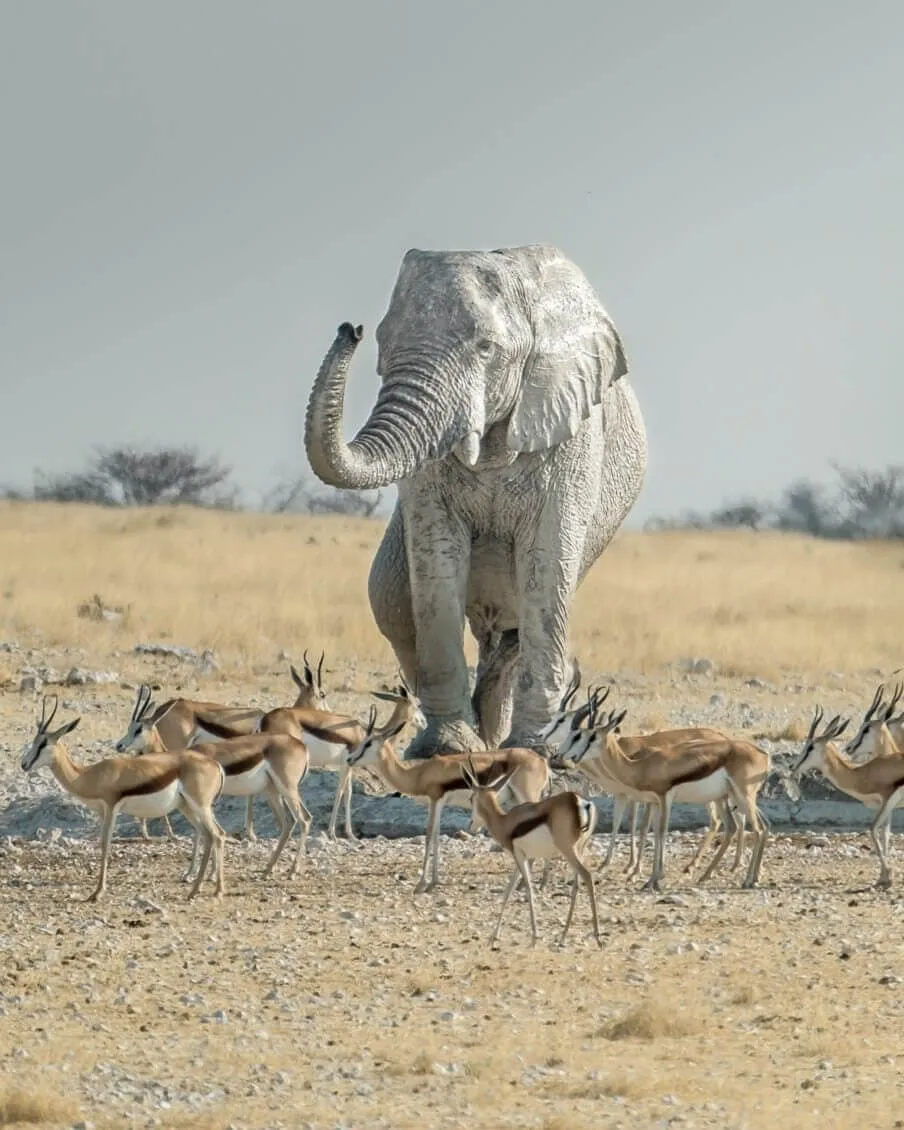
Fish River Canyon
Explore Now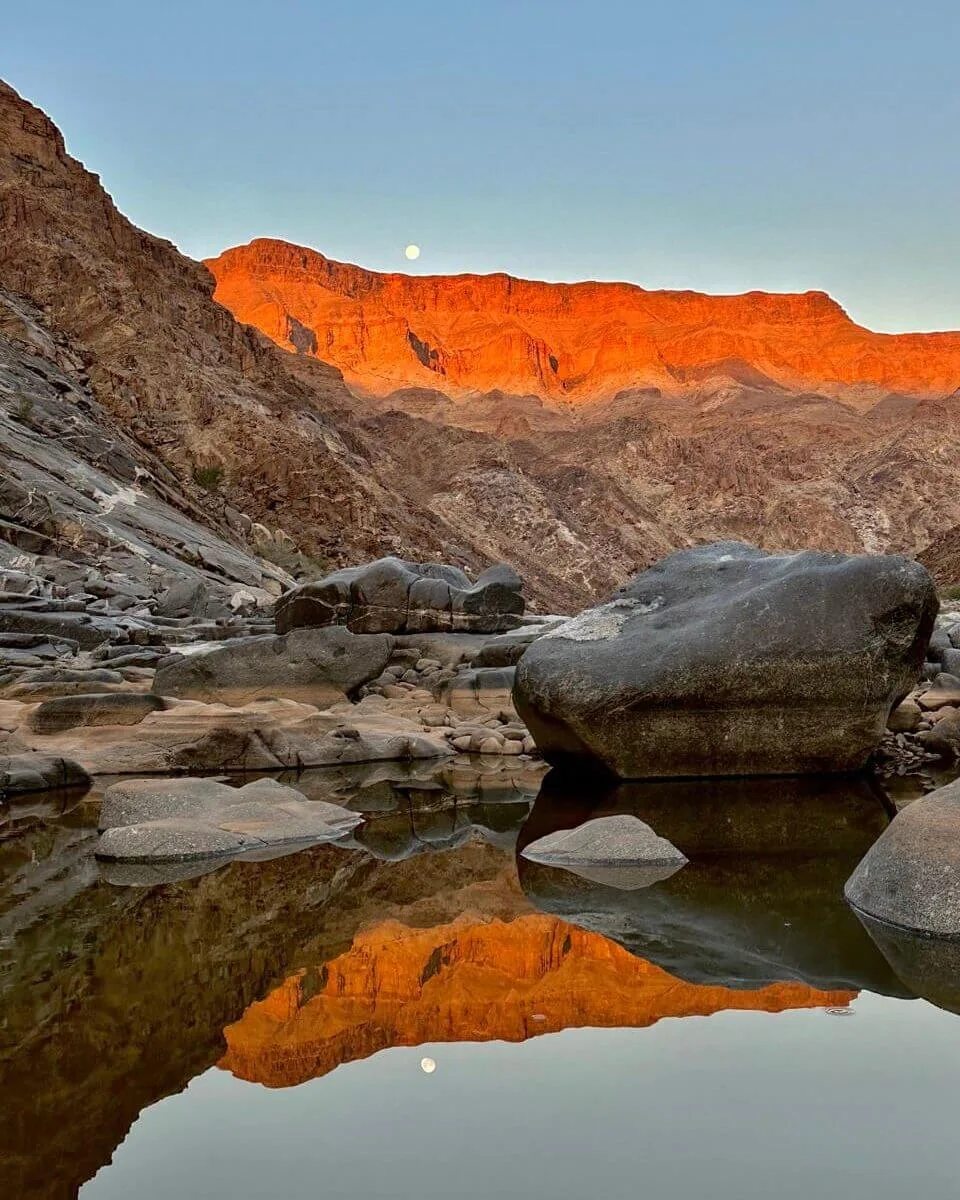
Coastal Swakopmund
Swakopmund sits where the Benguela current meets the Namib, which produces fog most mornings and a chill that catches people out badly.
Explore Now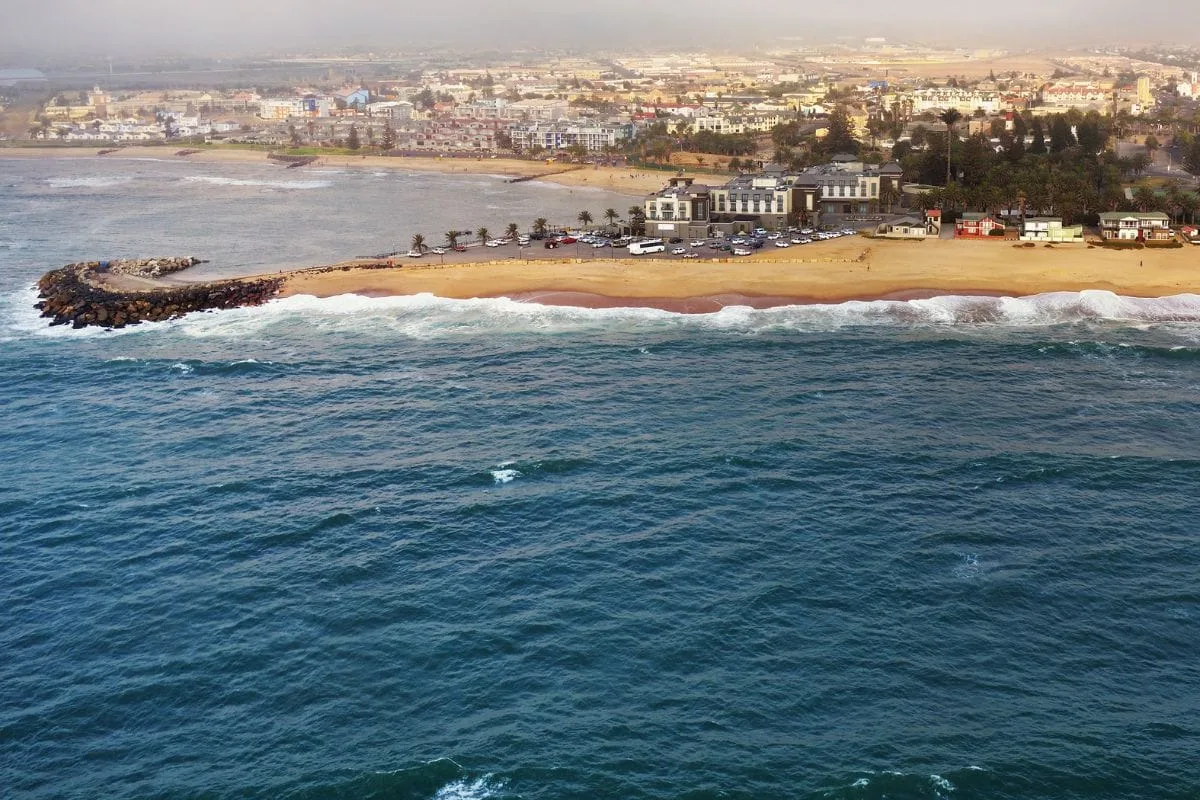
Skeleton Coast
The fog and shipwrecks of the Skeleton Coast, where the cold Atlantic meets the desert.
Explore Now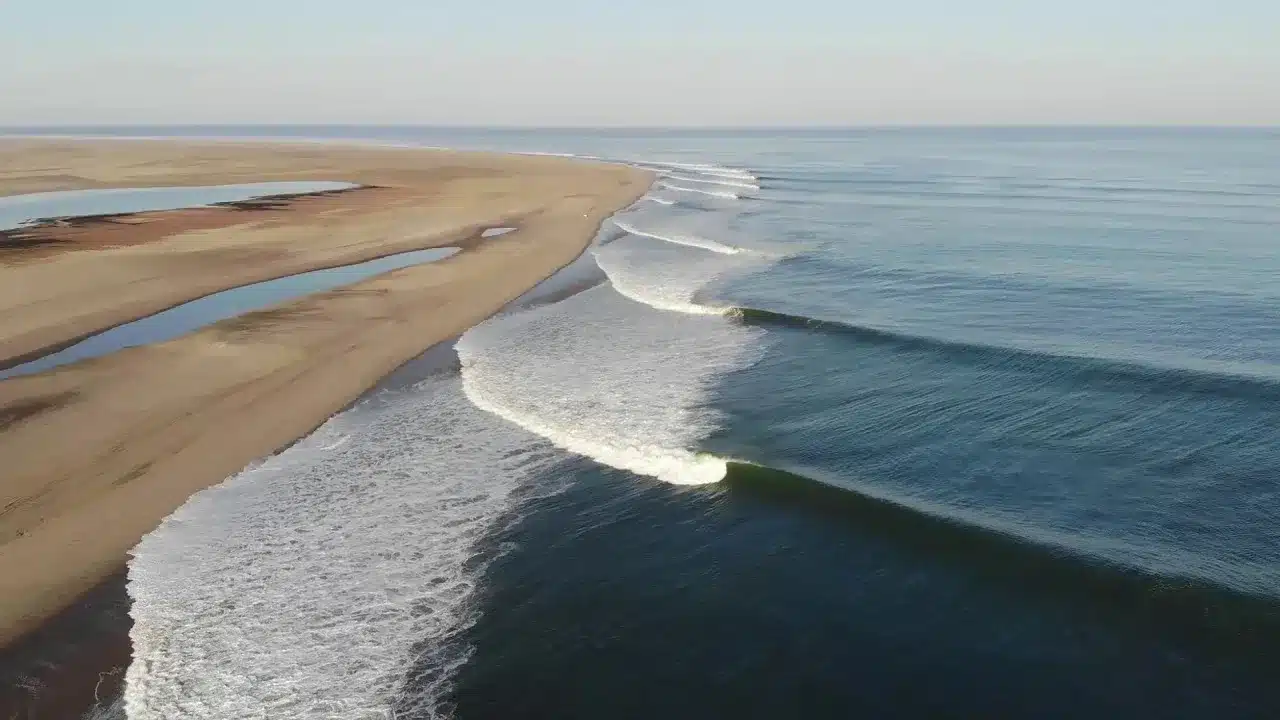
Rugged Damaraland
The prehistoric landscapes of Damaraland — granite-boulder country on the edge of the desert.
Explore Now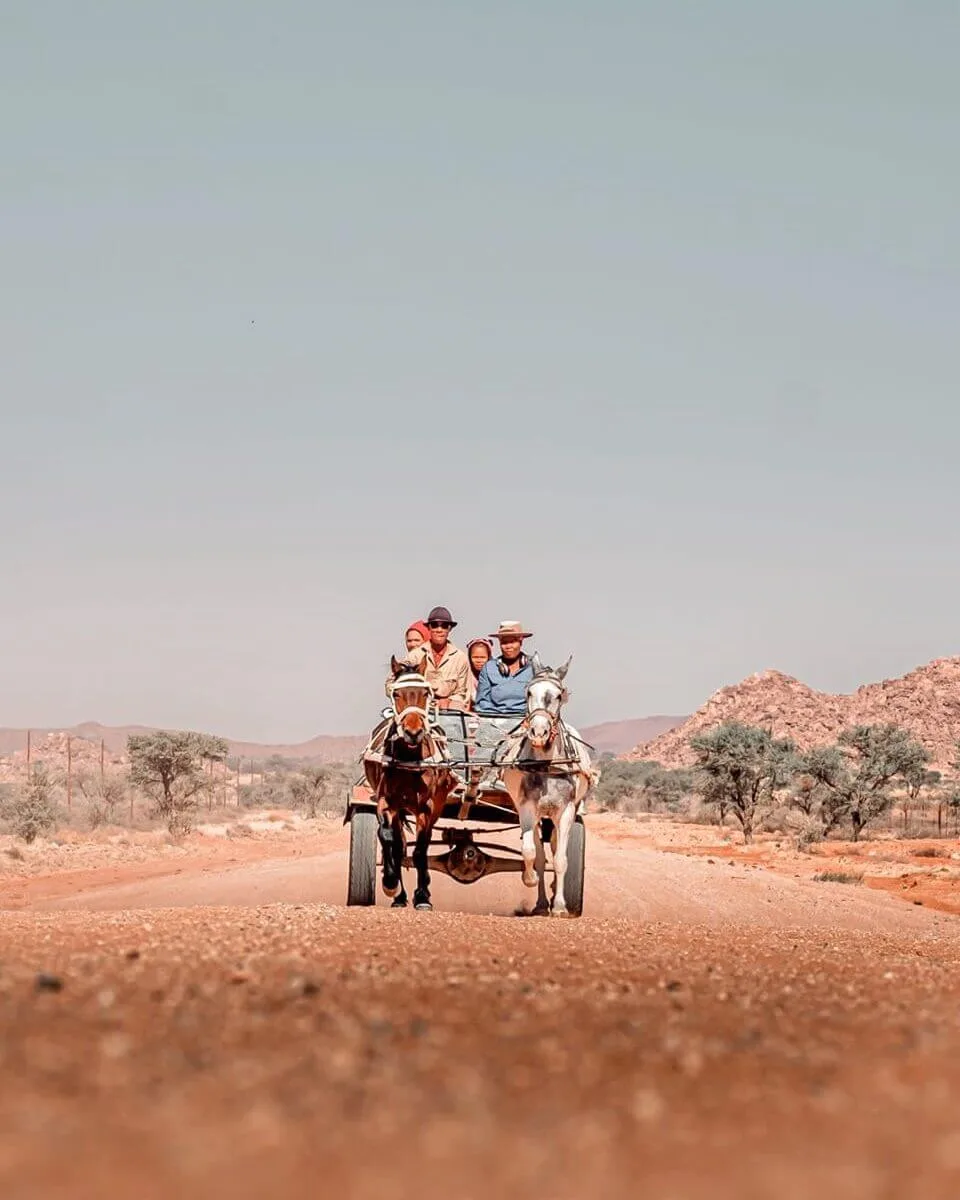
Kalahari Desert
Red dunes. Acacia trees. A place so open and unfiltered it feels like the world’s been put on mute.
Explore Now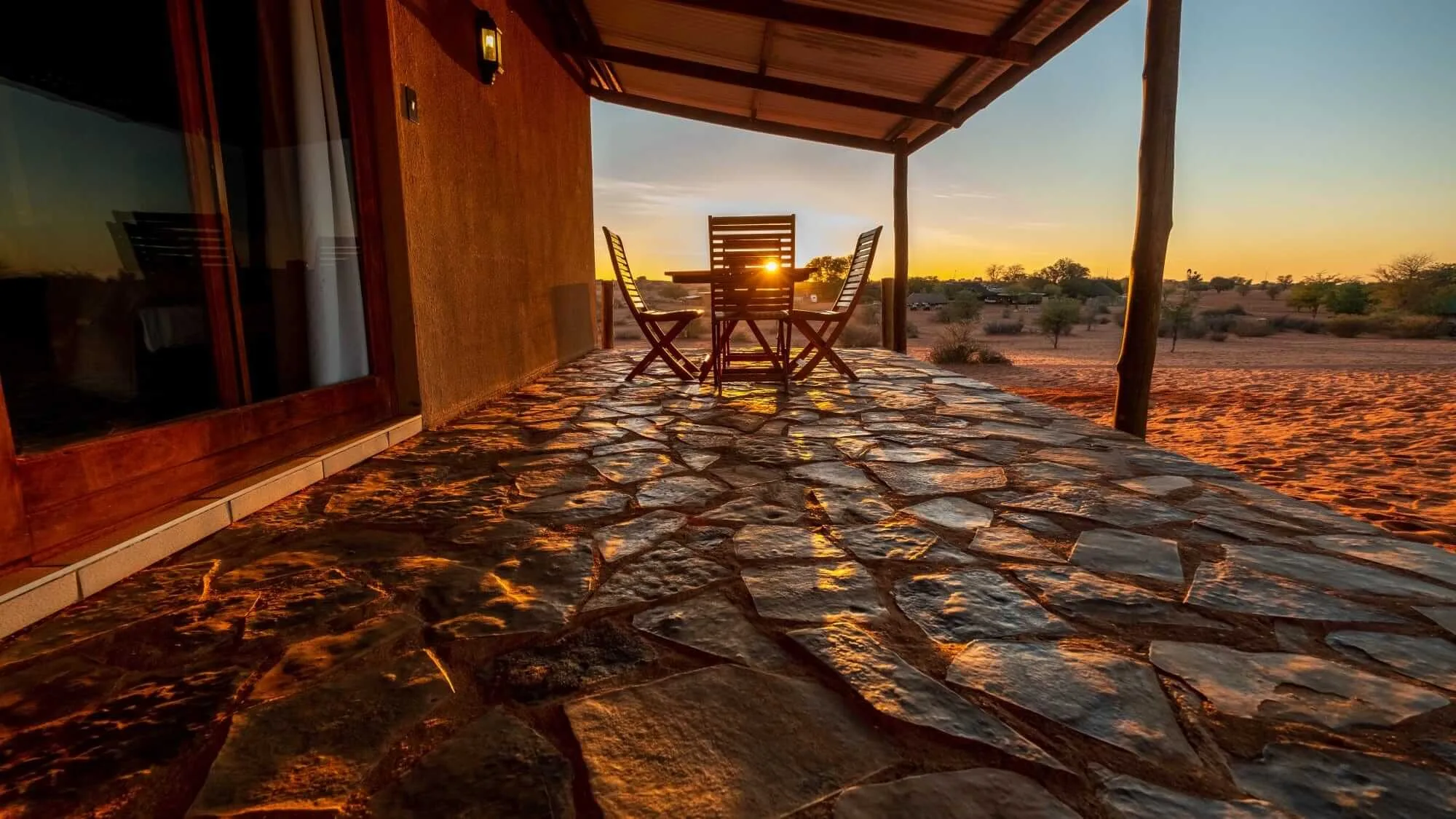
Lush Caprivi
This is the part of Namibia that does not look like Namibia.
Explore Now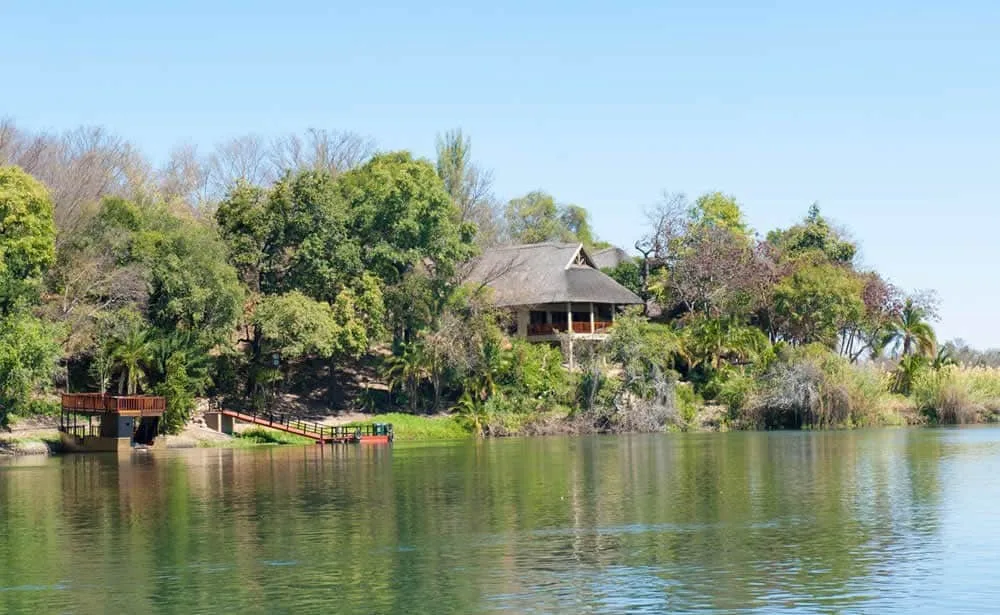
Epupa Falls
Explore Now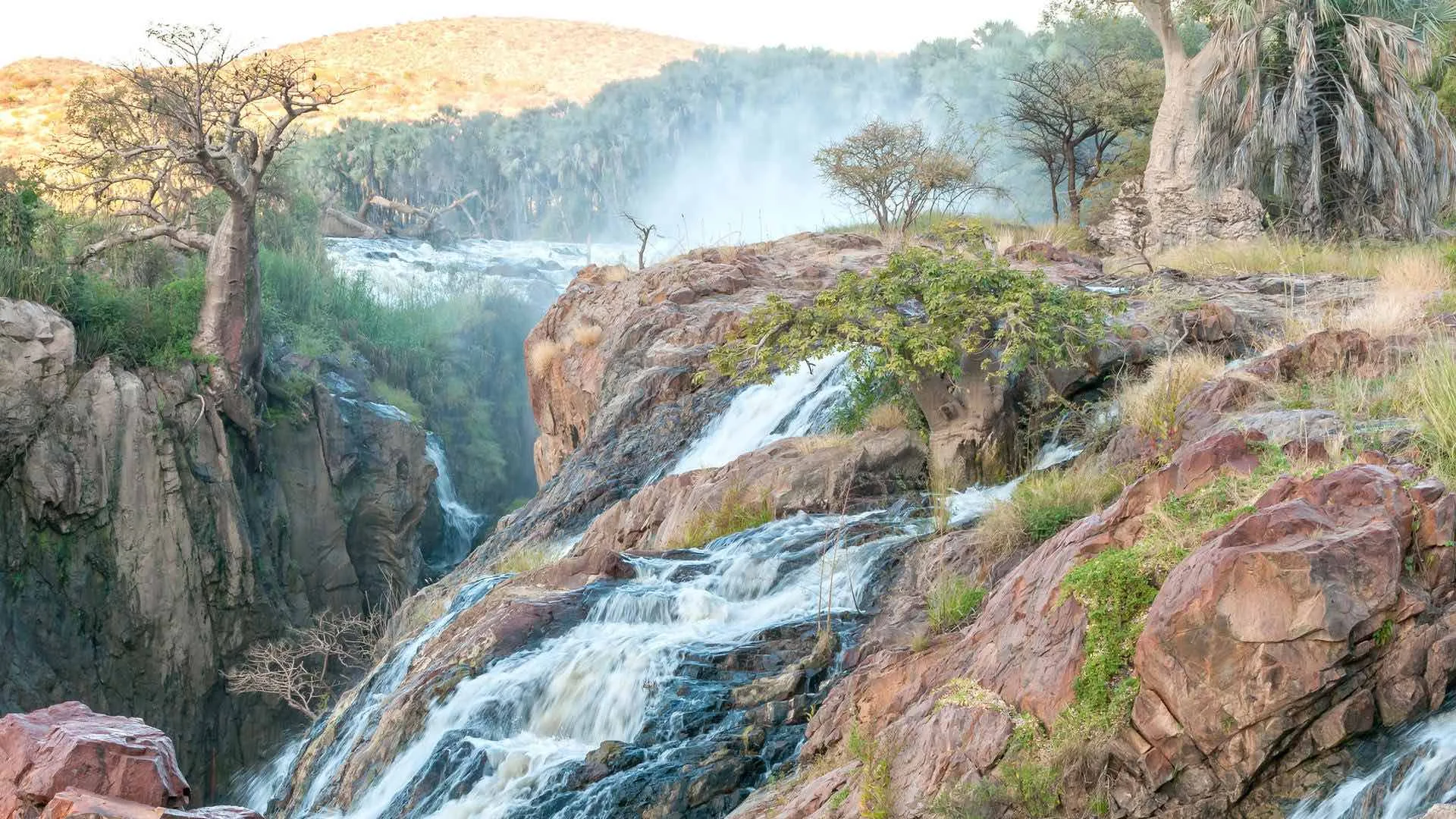
A Legacy In The Wild
Experience the untamed beauty of Africa through the lens of pure luxury. Witness nature’s most intimate moments unfold right before your eyes.
Start Planning