Namibia Self-Drive Safaris
Enquire NowA Namibia self-drive safari is the classic way to see the country: Sossusvlei, Swakopmund, Damaraland and Etosha, driven yourself over ten to fourteen days, on routes and lodges we plan for you. Namibia's roads were rated the best in Africa and 23rd in the world in the World Economic Forum's 2019 road-quality ranking, and for the standard circuit a 2WD is enough.
We are a Namibian team based in Swakopmund. You collect your vehicle at Hosea Kutako International Airport with a full briefing, you have 24-hour breakdown support on the road, and the Travel Key app gives you each day's route, notes and a Google Maps link. Tell us your dates and we reply within 24 hours.
Explore Our top-selling Self-Drive Itineraries
Handcrafted self-drive safaris across Namibia’s most iconic landscapes
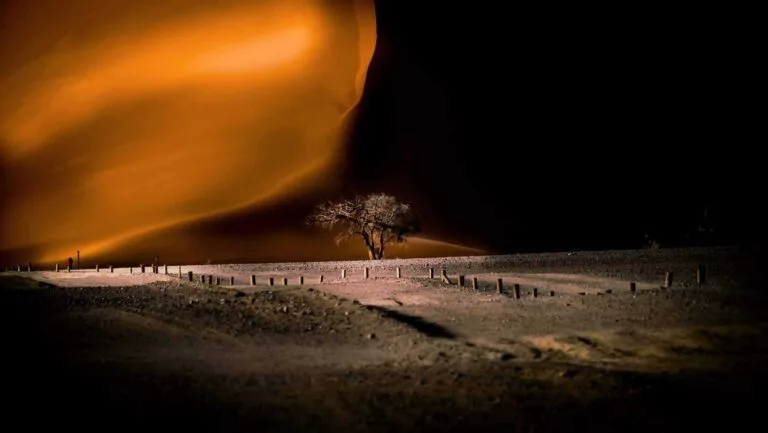
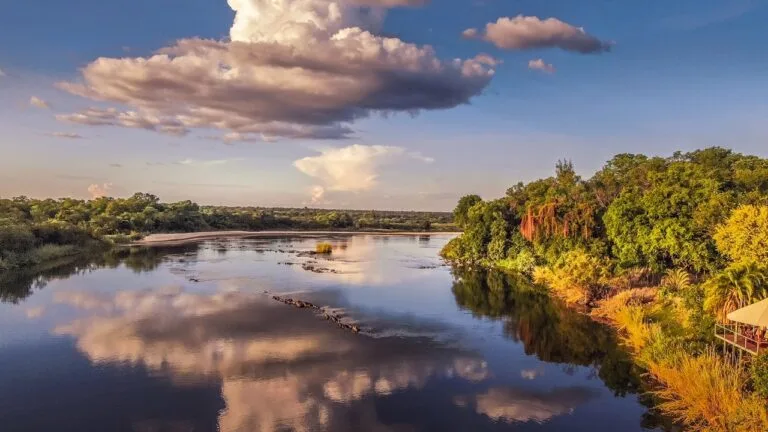
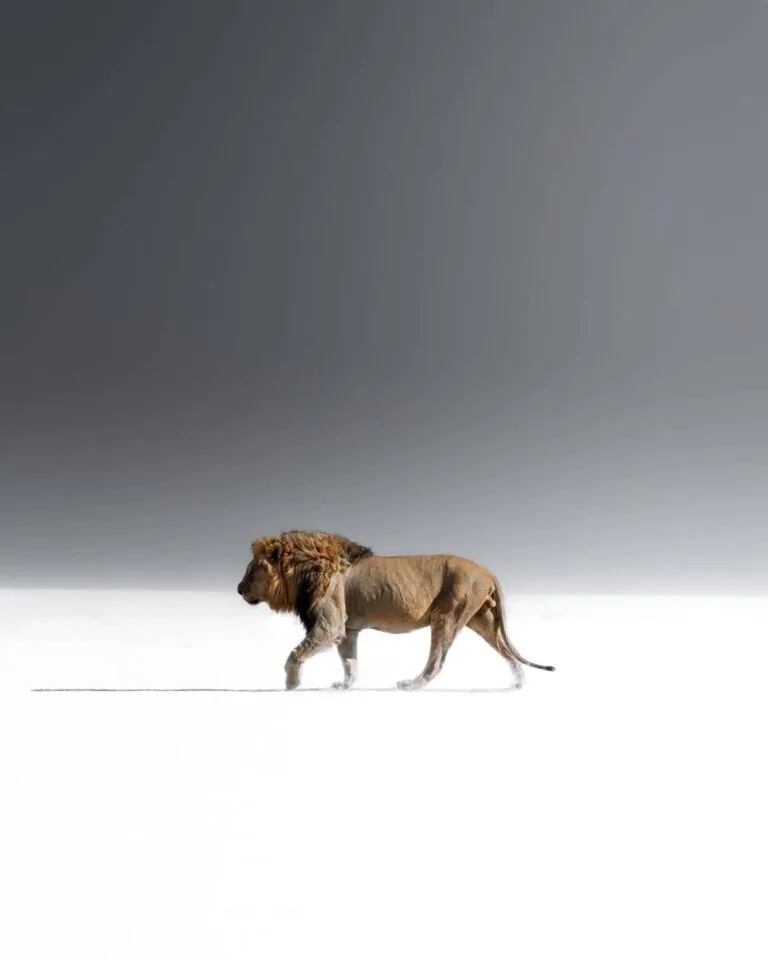
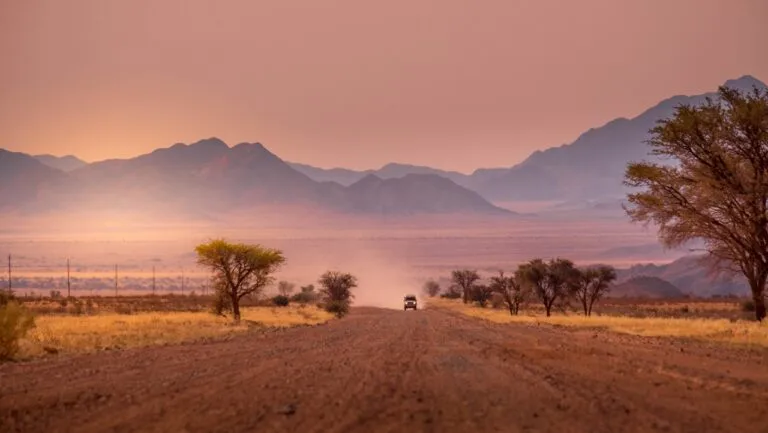
Namibia Self-Drive Safaris
Travel at your own pace, while we take care of the details — creating a seamless, premium safari experience from start to finish.
Start Your JourneyRead the full self-drive guide Show less
The Classic Self-Drive Route
Most first trips follow the same loop, and for good reason. It links the country's headline landscapes in a sensible order and keeps the long gravel days manageable.
- Windhoek (1 night). Land, collect the vehicle, do the briefing and sleep. Leave the next morning rather than starting a long gravel drive in the afternoon.
- Sossusvlei (2 nights). The dunes look their best in the first hours after the gate opens, so one night means arriving tired and leaving before the light. Two nights gives you a proper sunrise morning.
- Swakopmund (2 nights). Our home town, between the Atlantic and the dunes, and a welcome change of temperature after the desert.
- Damaraland (2 nights). Red rock, dry riverbeds and the desert-adapted elephant and rhino. Tracking drives are full mornings, not quick stops.
- Etosha (2–3 nights). Fully self-drive, with no guide, permit or 4x4 needed. How self-driving in Etosha works.
- Back to Windhoek, often via Okonjima for a last night of big-cat tracking.
Ten days is the working minimum for this loop and fourteen is comfortable. Our 14-Day Best of Namibia Self-Drive Safari is this route at a relaxed pace. If you want the far south, Botswana or Victoria Falls as well, see the itineraries above, and how many days you need in Namibia sets out what fits in the time you have.
2WD or 4x4?
For the standard circuit a high-clearance 2WD is enough. The roads to Sossusvlei, Swakopmund, Damaraland's main lodges and Etosha are tar or graded gravel.
The one exception on a normal itinerary is the last 5 km of deep sand from the 2×4 car park to Sossusvlei and Deadvlei. Since the Ministry of Environment, Forestry and Tourism's notice of 2 May 2026, self-drivers in a 4×4 may drive that stretch; in a 2WD you park at the 2×4 car park and take the concessionaire's shuttle, which is optional for 4×4 drivers. Buses and trucks are not allowed on the sand stretch. The Sossusvlei 4×4 shuttle in detail.
A 4×4 earns its place for camping, for several long gravel days back to back, for the green season from December to April, and for remote routes in the far north-west. The full route-by-route answer is in Do I need a 4×4 in Namibia?
What the Roads Are Like
B-roads are tarred, C-roads are mostly well-graded gravel and carry most tourist routes, and D-roads are minor gravel roads that vary more, especially after rain. The honest risk on a Namibian road trip is not crime or breakdown. It is speed on loose gravel.
- Keep to 80 km/h on gravel, even where the limit is higher.
- Do not drive before sunrise or after sunset. Kudu, warthog and cattle use the roads at dusk. Night driving and what it does to your cover.
- Plan time, not kilometres. Divide the distance by 80 km/h on tar and 60 km/h on gravel to allow for stops. Mapping apps assume tar.
- Fill up whenever you pass a station, and carry water. Your route notes list where to refuel.
More in what Namibian roads are actually like.
What You Need to Drive in Namibia
A driver's licence valid for the whole trip, with either an International Driving Permit or an apostille translation into English (do you need an IDP?). Namibia drives on the left, and headlights must be on dipped beam whenever you drive. Taking the car into Botswana, Zambia or Zimbabwe needs arranging in advance: cross-border hire cars.
Best Time for a Self-Drive
May to October is the dry season: predictable roads, wildlife gathered at Etosha's waterholes, and cold mornings in June and July. December to April is green, dramatic and quieter, but gravel roads can soften, so build in a spare day. Month by month in the panel below, and the trade-offs in our best time to visit Namibia guide.
Lodges, Camping or Both
Every itinerary on this page is lodge to lodge, from comfortable to luxurious, and we choose each stay for its location as much as its rooms. If you would like nights under canvas as well, see our lodge and camping self-drive safaris. Travelling alone? Read solo self-drive in Namibia.
Start Planning
The itineraries above are starting points, not fixed packages. Tell us your dates, how many days you have and what you most want to see, and our Swakopmund team will reply within 24 hours with a route that fits, including an honest word if a guided or fly-in trip would suit you better.
When to Go
Namibia Self-Drive Safaris
Frequently Asked questions
Is Namibia safe for a self-drive safari?
Yes, Namibia is considered one of the safest countries in Africa for self-drive travel. The roads are generally well maintained, traffic is minimal, and locals are friendly and helpful. As with any trip, basic precautions are recommended. Our overview of self-driving in Namibia covers what the experience is actually like day to day, and our staying healthy on safari guide covers the practical side.
Do I need a 4x4 vehicle in Namibia?
Not for the standard circuit — a high-clearance 2WD is enough. In a 2WD you take the shuttle for the last 5 km to Sossusvlei and Deadvlei; a 4x4 is worth it for camping, the green season and remote north-western routes. We go into the detail — which routes genuinely require one and which do not — in do I need a 4x4 in Namibia?
Are the roads difficult to drive?
Most routes are on well-graded gravel roads and are easy to navigate. However, distances are long, and driving speeds should be adjusted accordingly. Careful driving is essential, especially on gravel. Our guide to Namibian roads — gravel, speed and safety sets out the surfaces you will meet and the speeds to hold on each.
How far in advance should I book?
For travel between July and December (peak season), it is best to book 6–12 months in advance, particularly for popular areas like Etosha National Park and Swakopmund. If your dates are flexible, our best time to visit Namibia guide sets out the trade-offs month by month, and the When to Go panel further up this page gives temperatures and rainfall.
Can I navigate easily without a guide?
Yes, self-drive in Namibia is very straightforward. With GPS, offline maps, and a detailed itinerary, navigation is simple. You will also receive full route guidance and 24/7 support. Inside the parks it is the same story — see can you self-drive in Etosha? for how the gates, speed limits and waterhole circuits work.
Where do I collect the vehicle?
At Hosea Kutako International Airport outside Windhoek, with a full briefing before you drive away. Vehicles come with spare tyres, a jack, a cool box and maps.
What happens if I break down?
You have 24-hour breakdown support for the whole trip, and the numbers to call are part of your briefing and your route notes.
What about fuel stations and supplies?
Fuel stations are available in all major towns, but distances between them can be long. It is always advisable to refuel regularly and carry water and snacks. Your route notes list the towns to stock up in, so you are never guessing how far the next pump is.
What wildlife can I expect to see?
Namibia offers incredible wildlife viewing, especially in Etosha National Park, where you can see elephants, lions, rhinos, giraffes, and large herds of plains game gathering around waterholes. Beyond Etosha, Damaraland holds desert-adapted elephant and rhino, and the Skeleton Coast holds seal colonies and brown hyena.
Which self-drive itineraries do you offer?
Six, from eleven days to eighteen:
- 11-Day Wildlife of Namibia — Etosha’s plains, desert landscapes and cultural encounters
- 11-Day South of Namibia — deserts, canyons, ghost towns and wide-open landscapes
- 14-Day Best of Namibia — the iconic highlights, deserts to Atlantic coastline
- 17-Day Namibia, Chobe & Vic Falls — one cross-border journey to the Falls
- 18-Day Hidden Treasures — rock art, remote canyons and untouched wilderness
- 18-Day Namibia, Delta, Chobe & Vic Falls — deserts through to the Okavango and the Falls
Prefer nights under canvas as well? See our lodge & camping self-drive safaris. If none is quite right, these are starting points rather than fixed packages — tell us your dates and we will shape one around them.
Every journey leaves a story behind.
Discover the raw, unfiltered voices of our guests as they share their Desert Tracks adventures across Namibia and Botswana. Their words capture the magic better than we ever could.


Highlights to Visit
Sossusvlei Dunes
Imagine waking up to the serene silence of the Namib Desert, the world’s oldest living desert.
Explore Now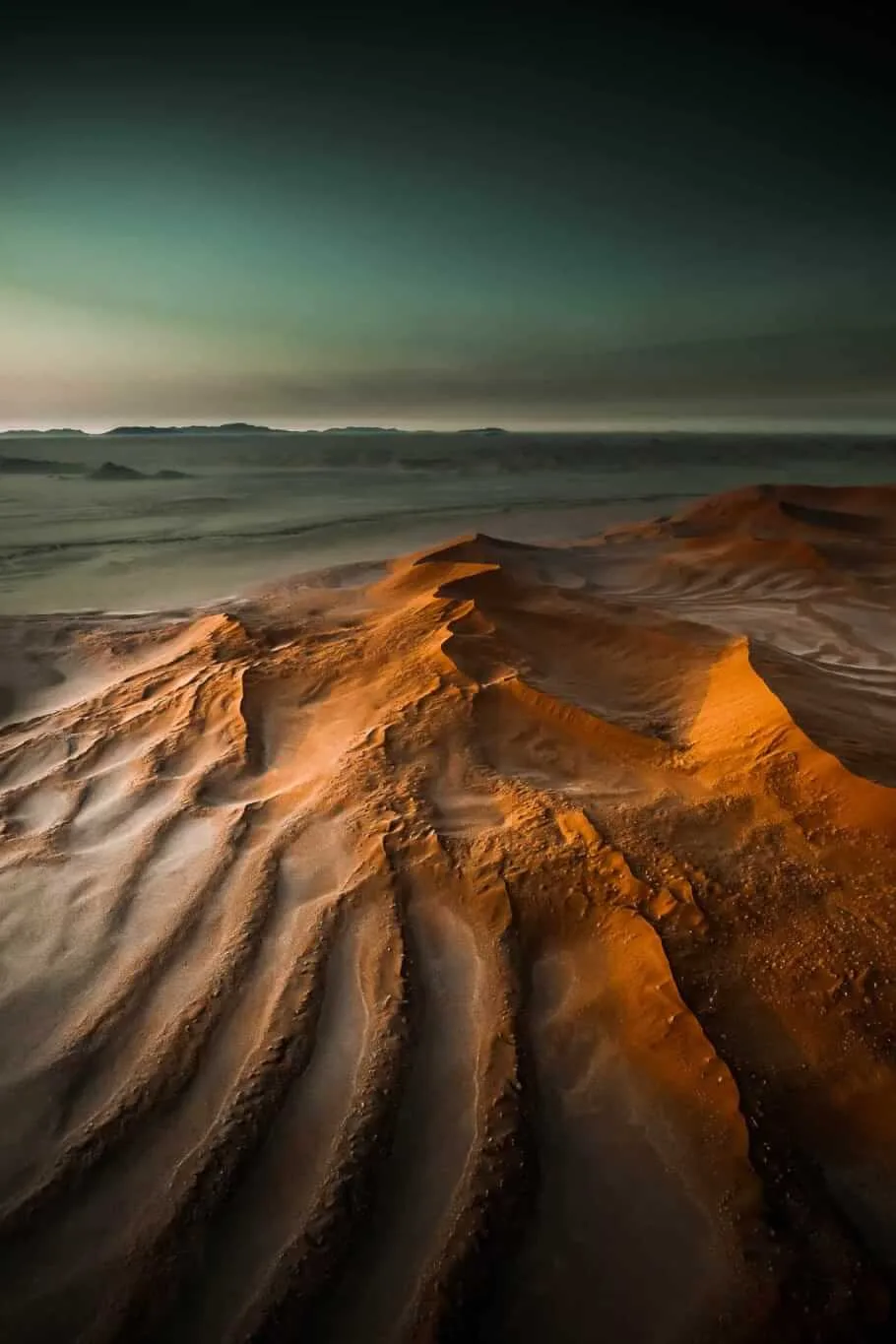
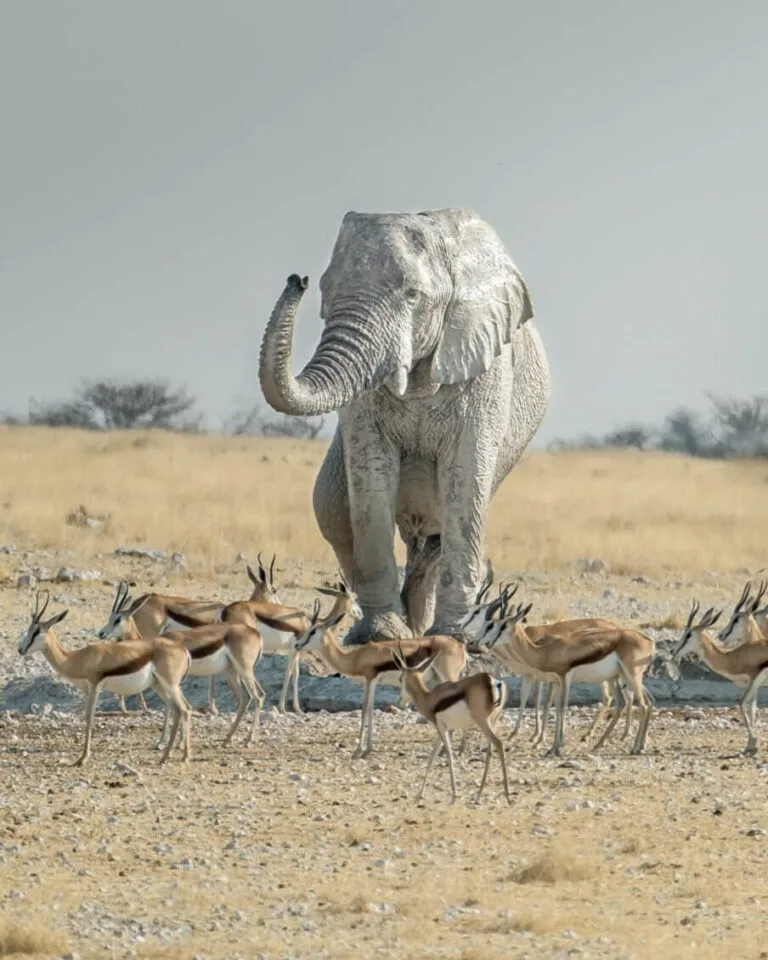
Etosha National Park
Thrilling game drives among elephants, lions, rhinos and giraffes, at Etosha’s great waterholes.
Explore Now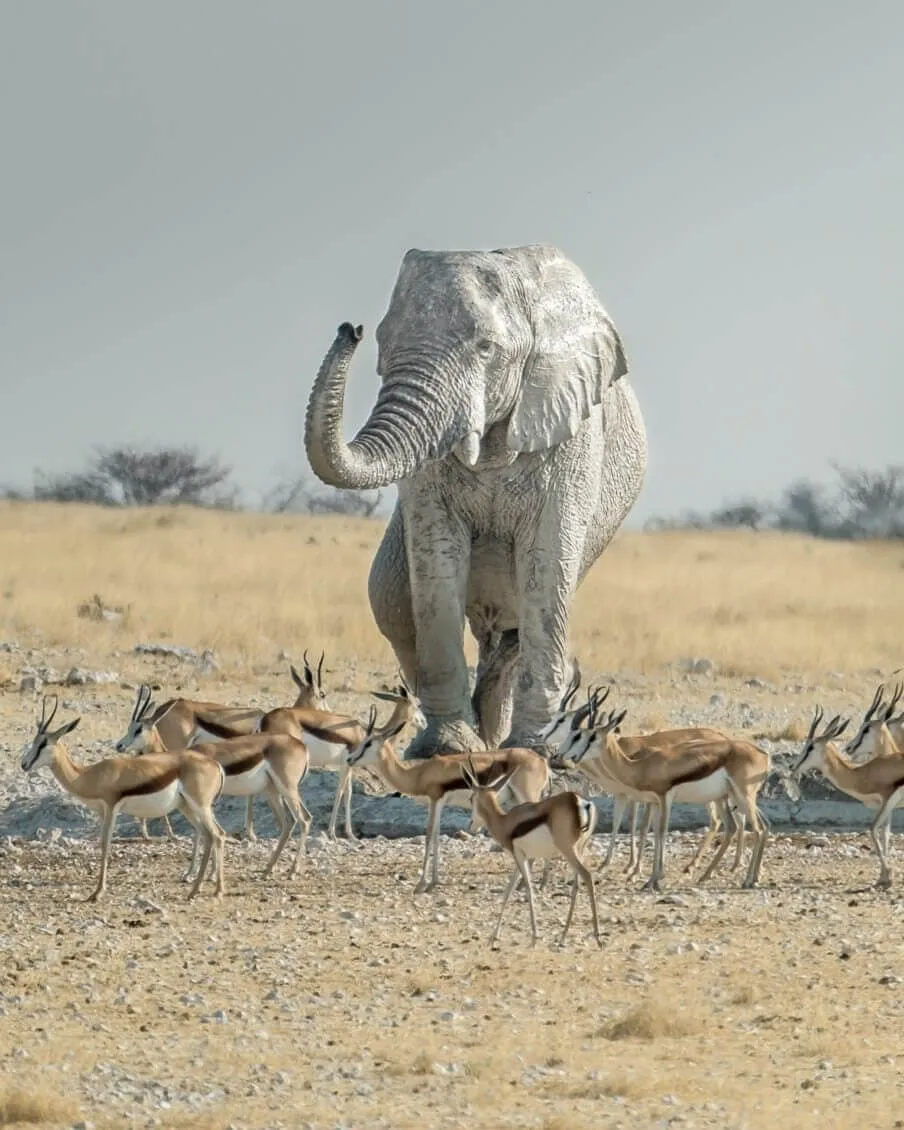
Fish River Canyon
Explore Now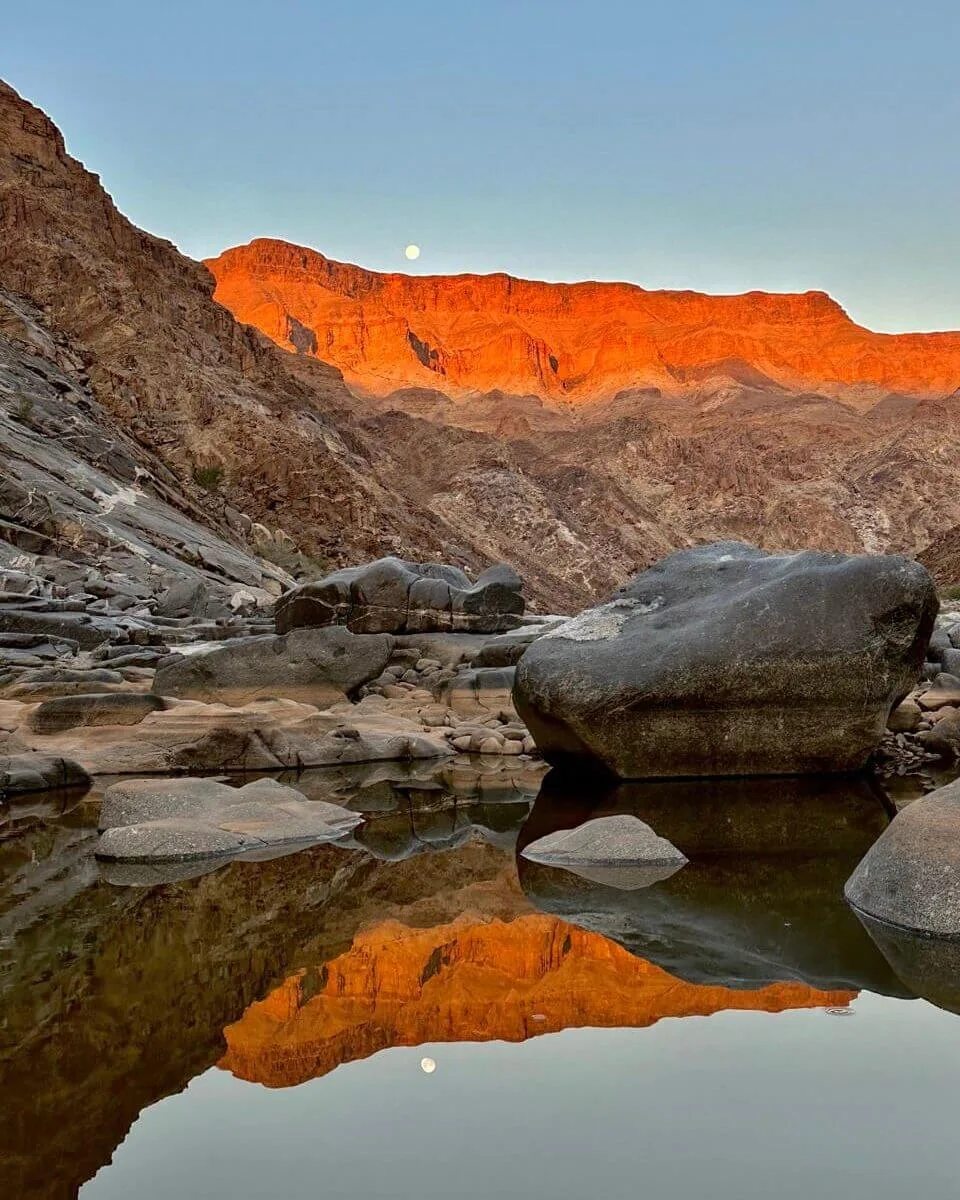
Coastal Swakopmund
Swakopmund sits where the Benguela current meets the Namib, which produces fog most mornings and a chill that catches people out badly.
Explore Now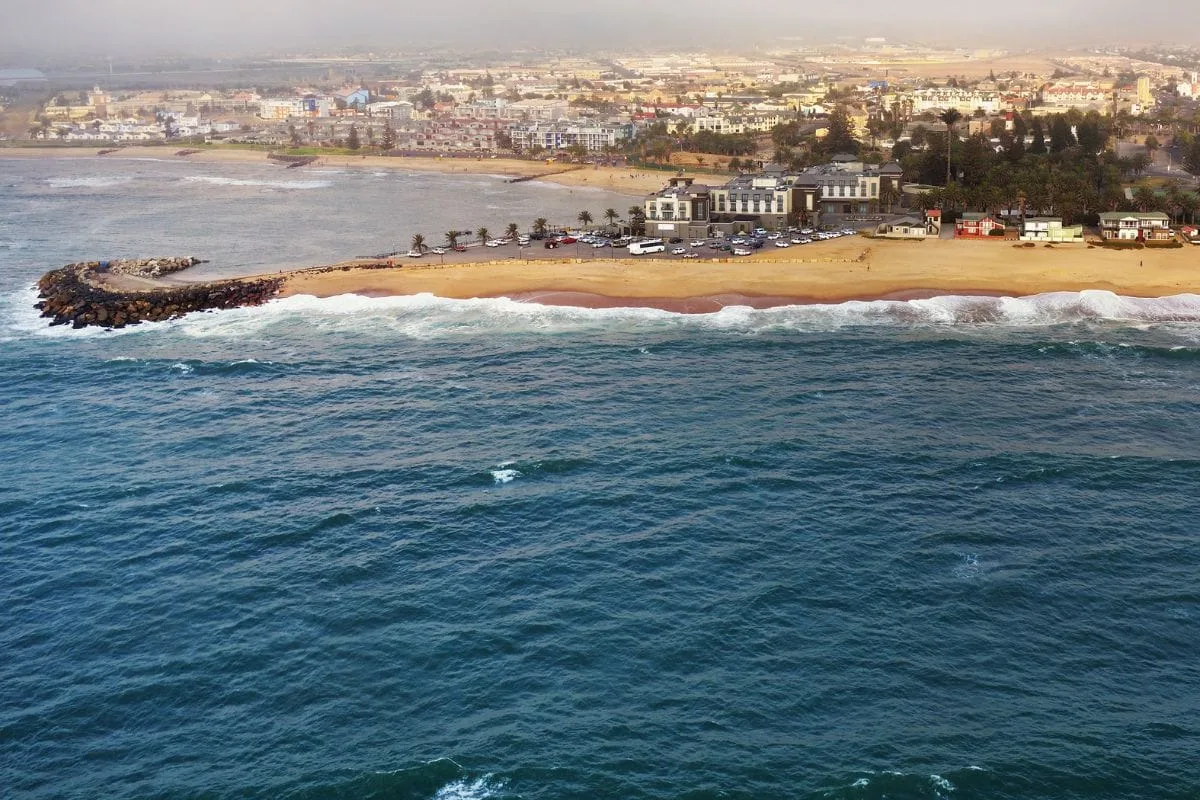
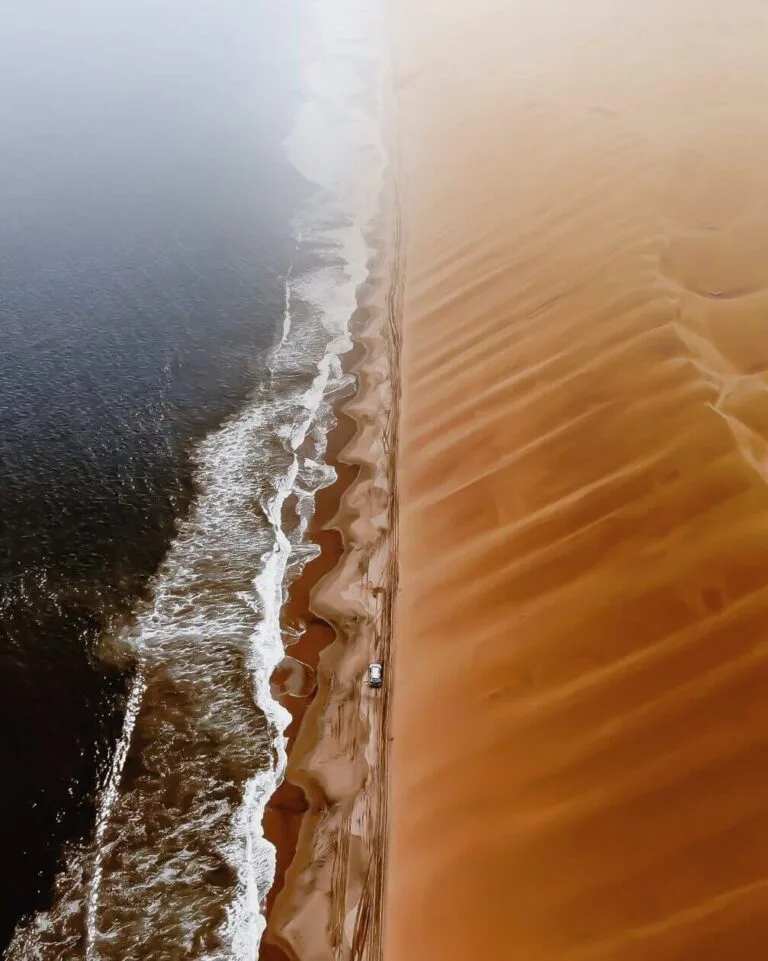
Skeleton Coast
The fog and shipwrecks of the Skeleton Coast, where the cold Atlantic meets the desert.
Explore Now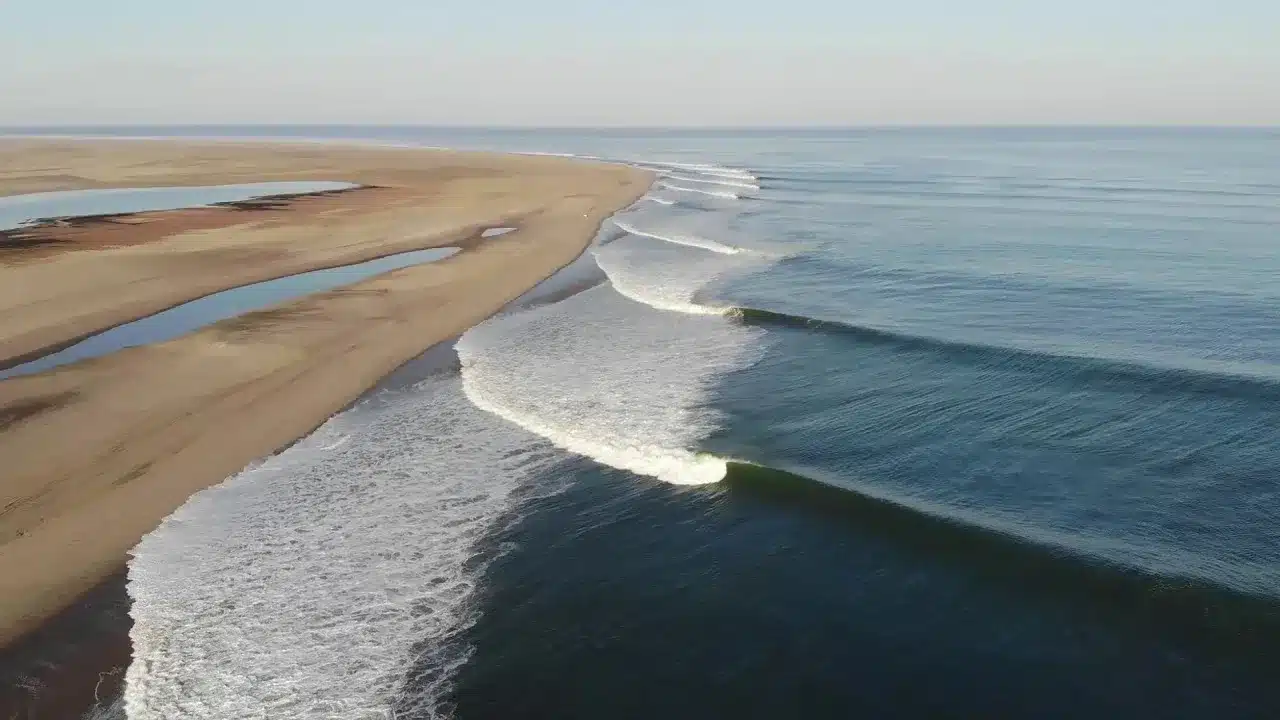
Rugged Damaraland
The prehistoric landscapes of Damaraland — granite-boulder country on the edge of the desert.
Explore Now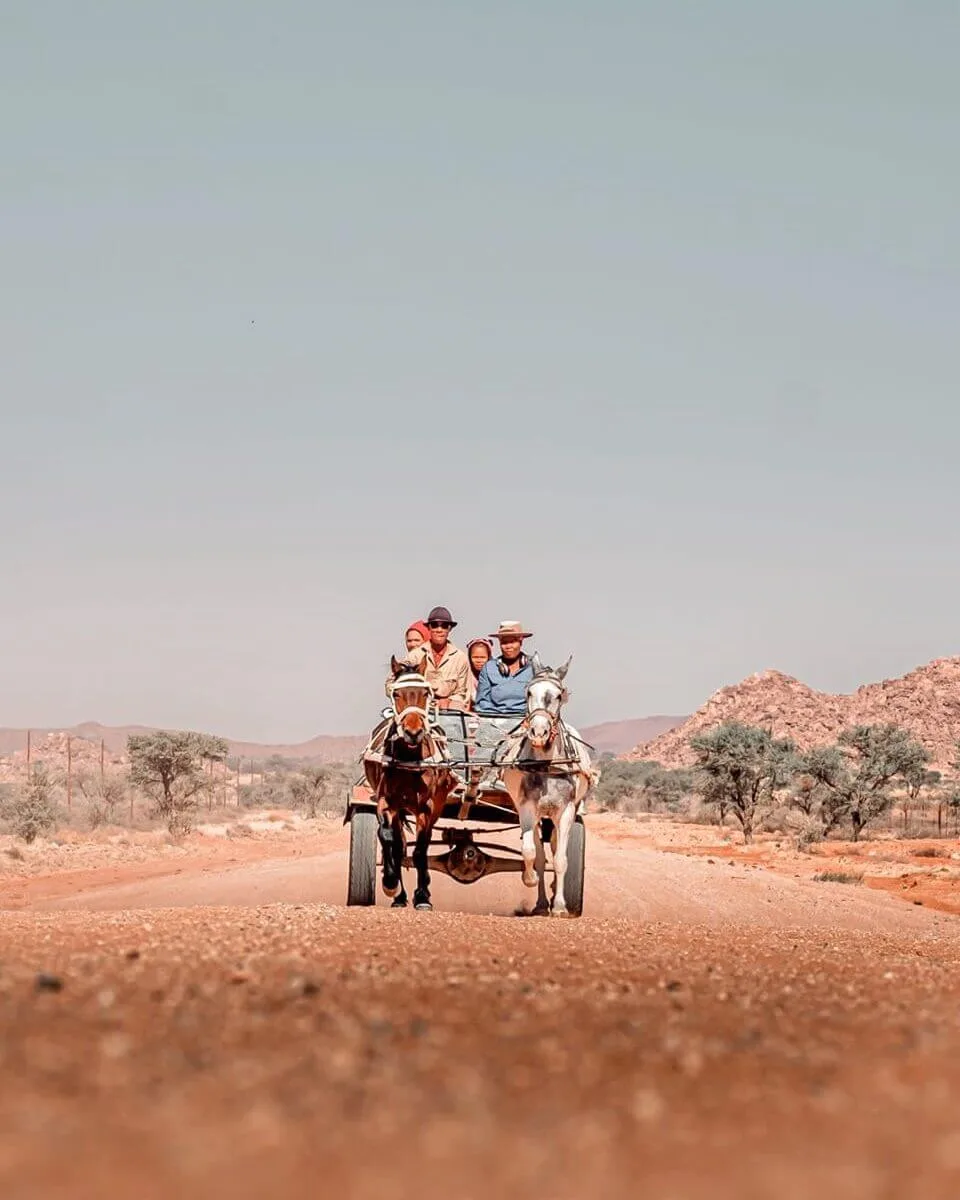
Kalahari Desert
Red dunes. Acacia trees. A place so open and unfiltered it feels like the world’s been put on mute.
Explore Now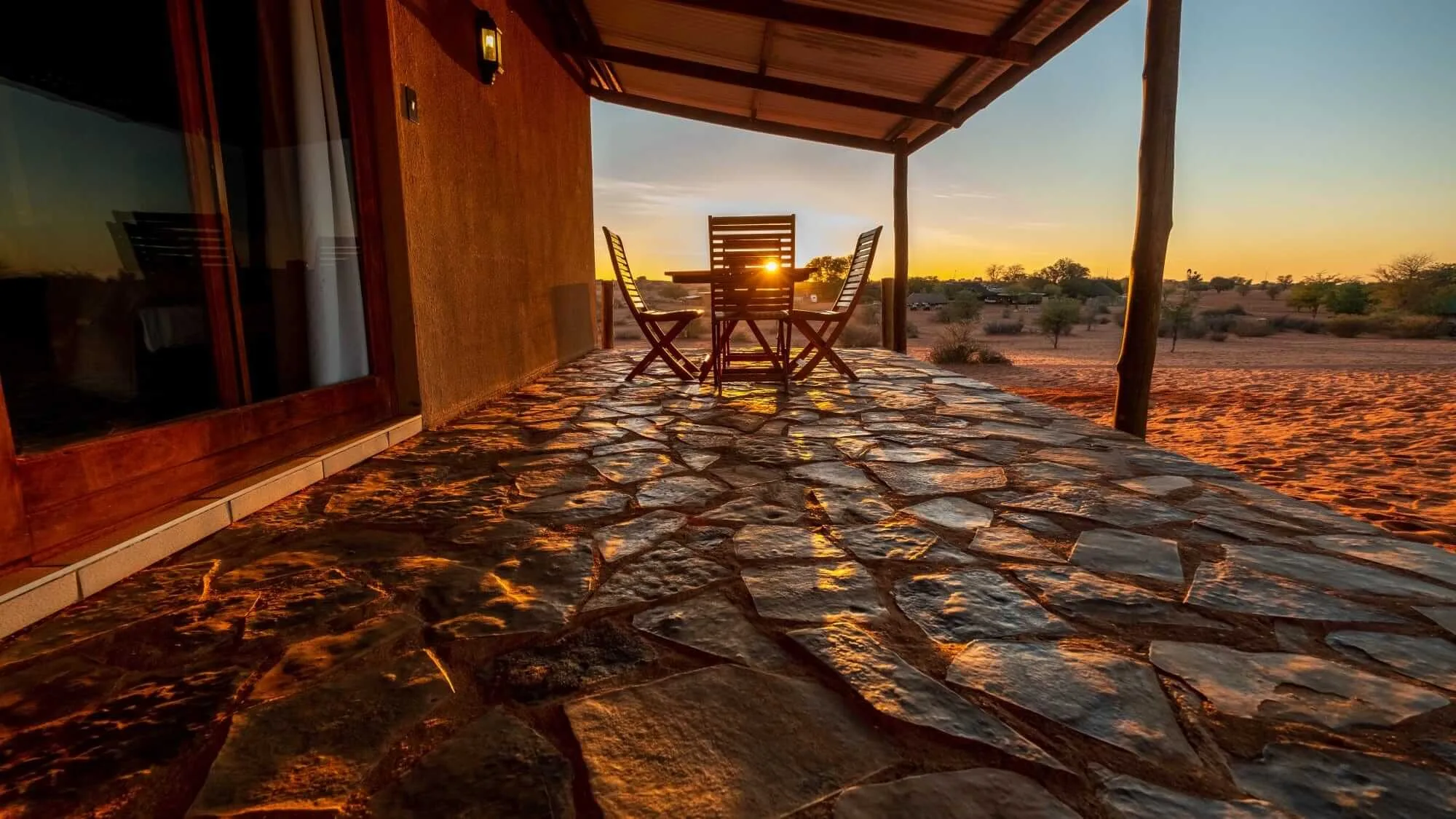
Lush Caprivi
This is the part of Namibia that does not look like Namibia.
Explore Now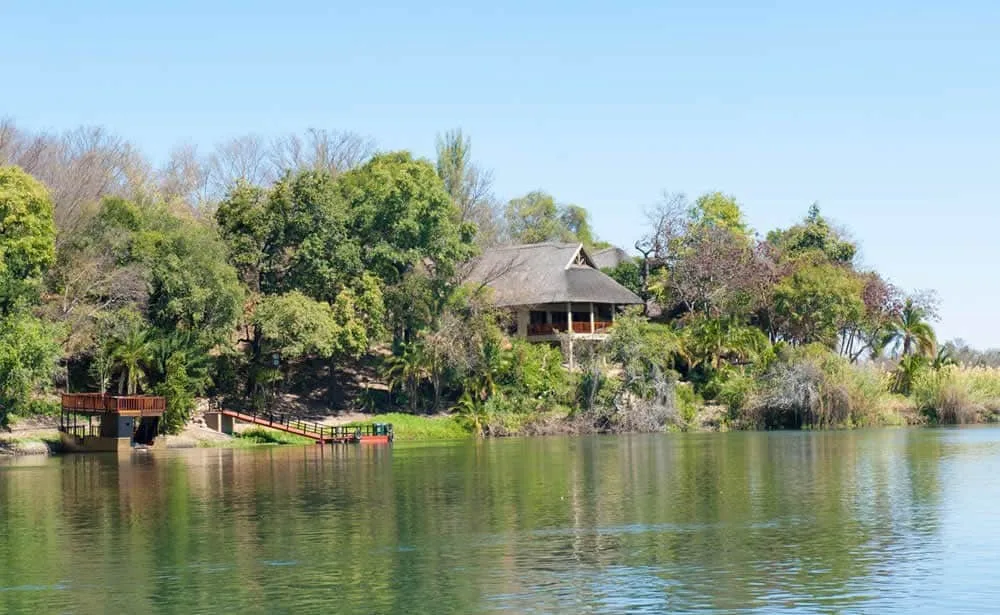
Epupa Falls
Explore Now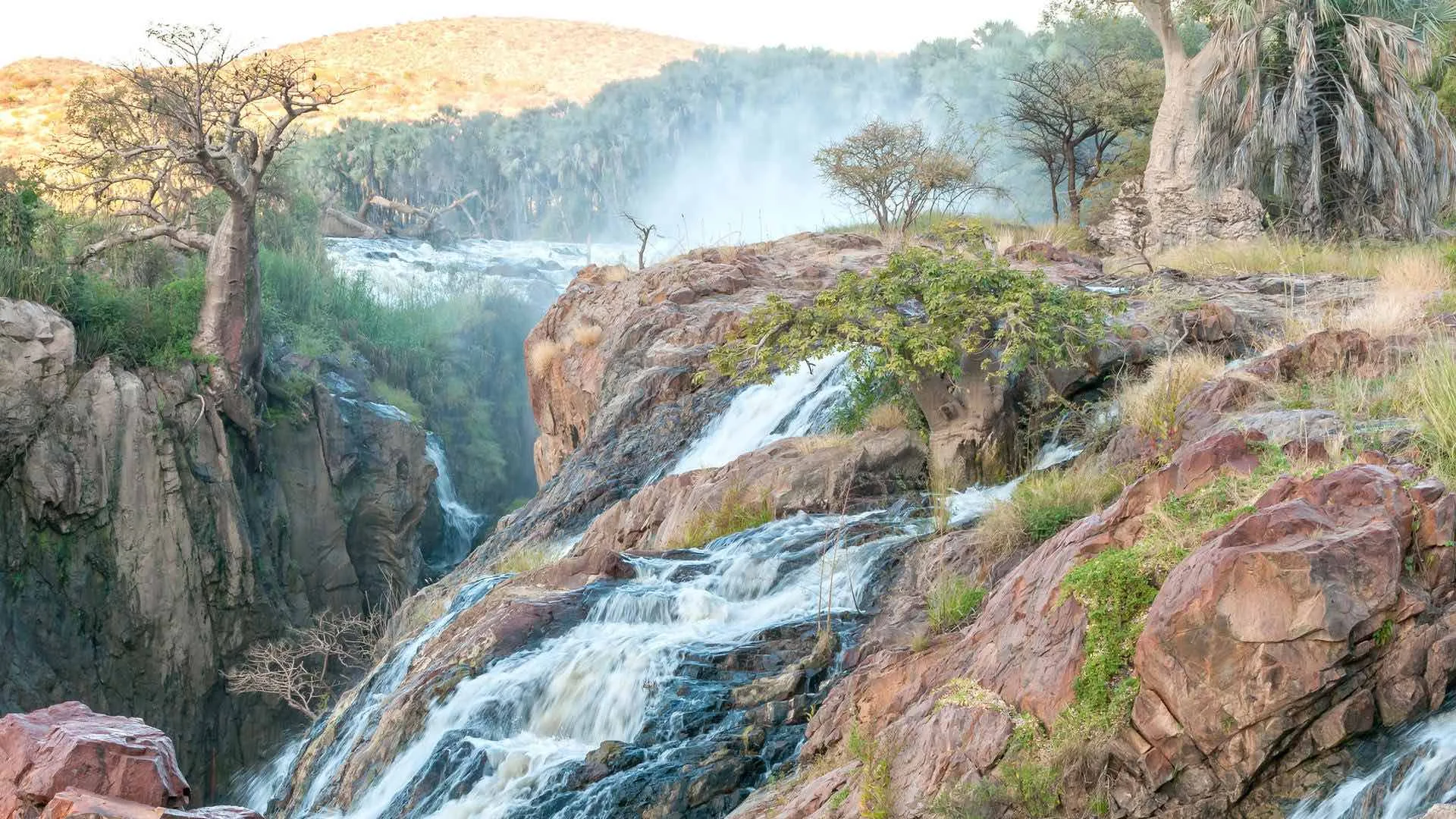
A Legacy In The Wild
Experience the untamed beauty of Africa through the lens of pure luxury. Witness nature’s most intimate moments unfold right before your eyes.
Start Planning